
Last updated November 24, 2026
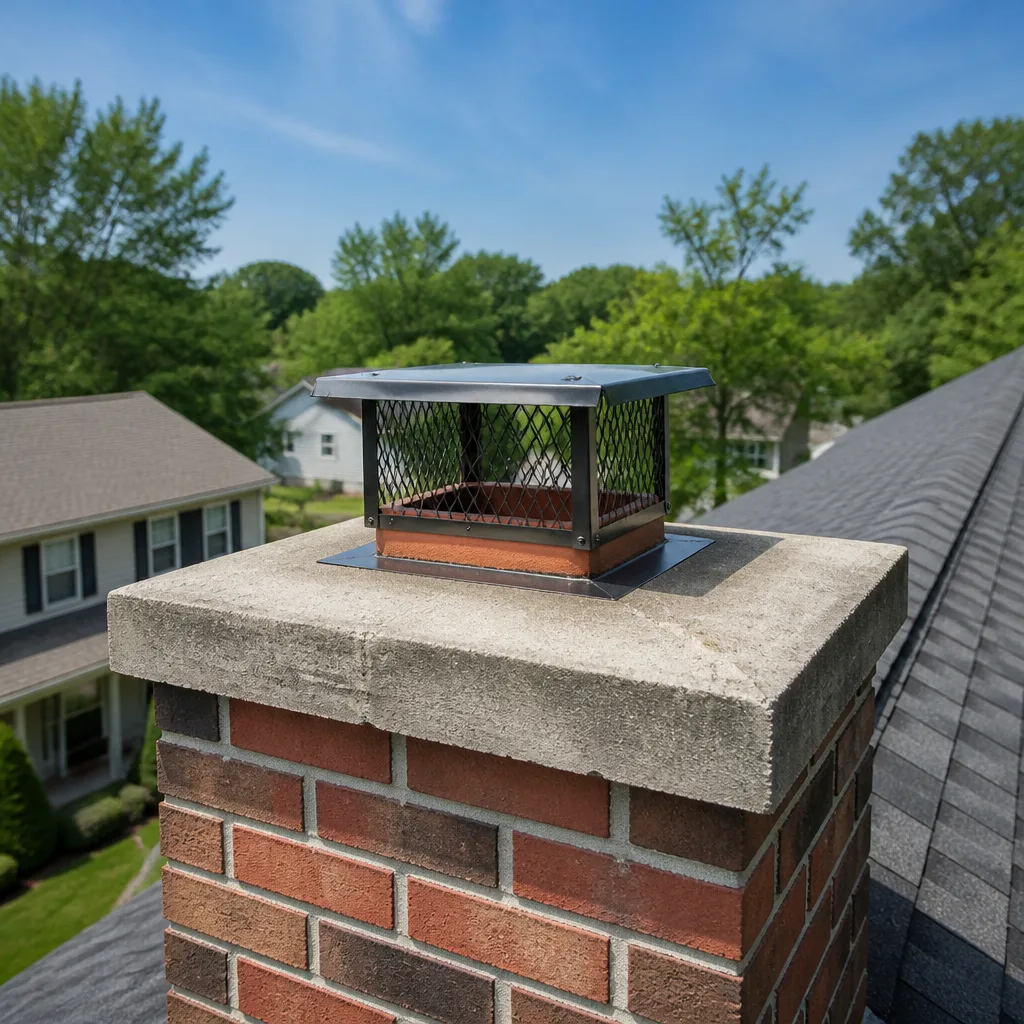 Sweep & inspection
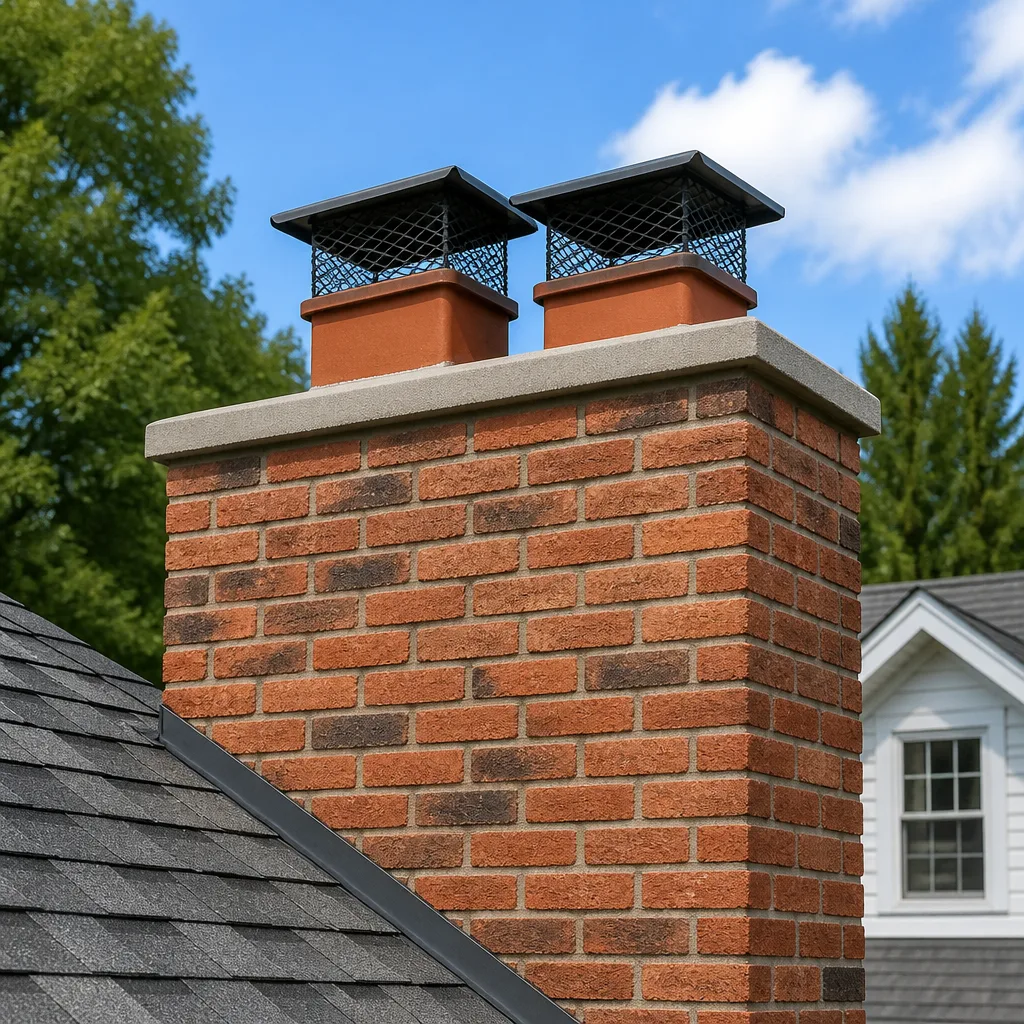 Caps & crowns
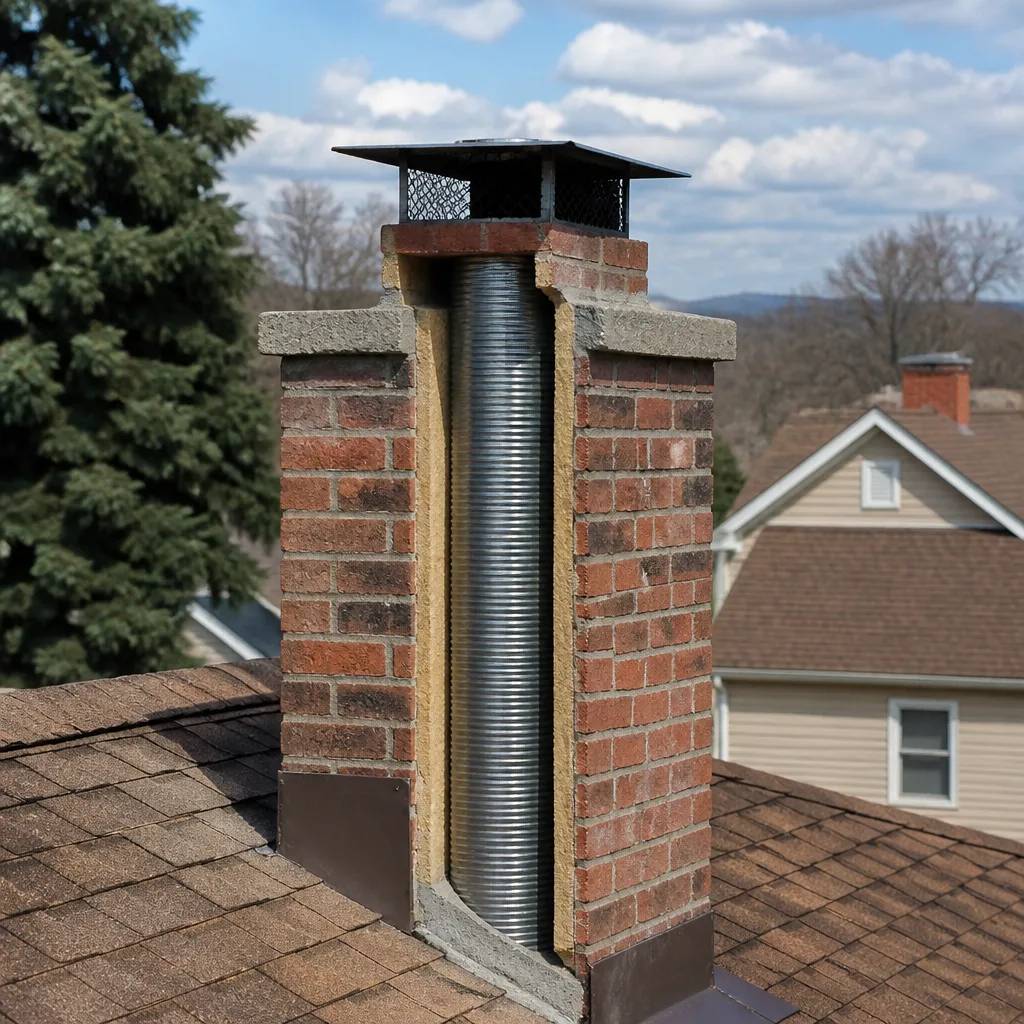 Flue relining
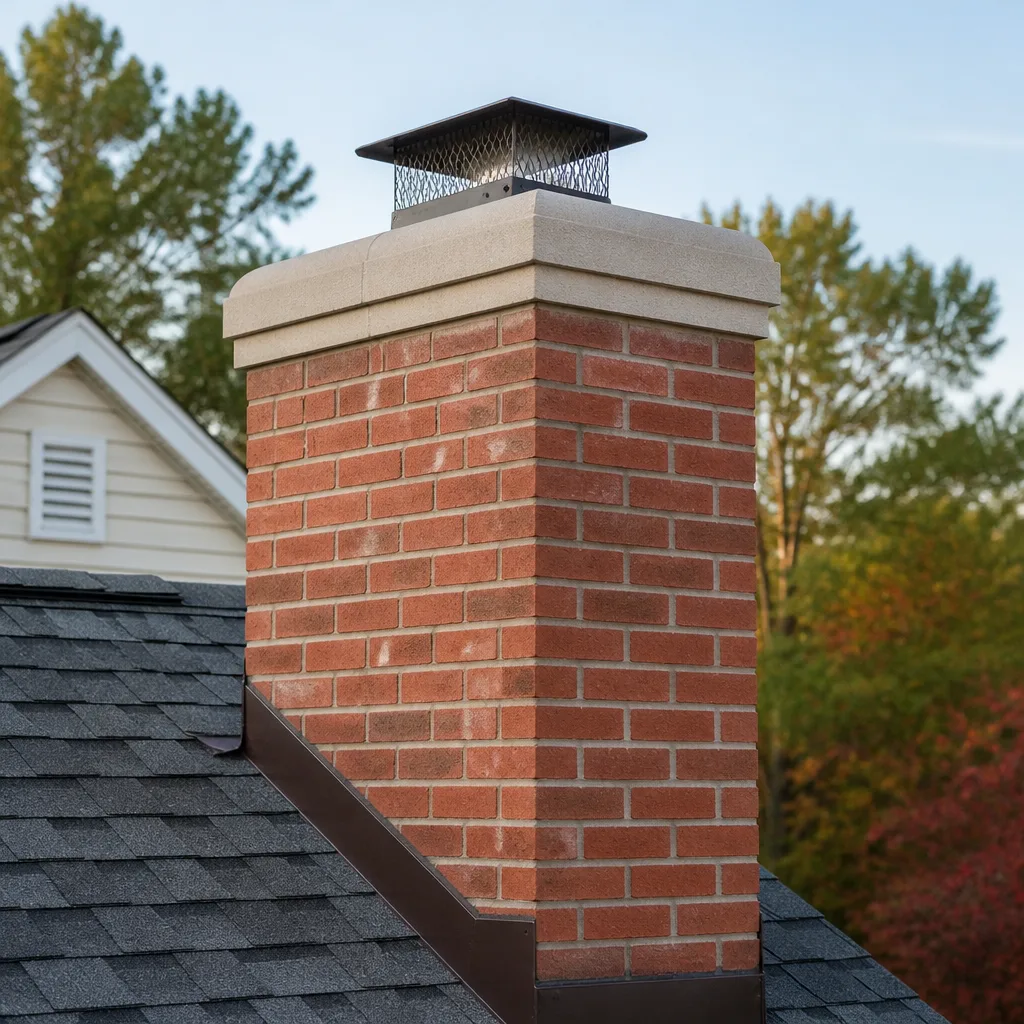 Masonry repair
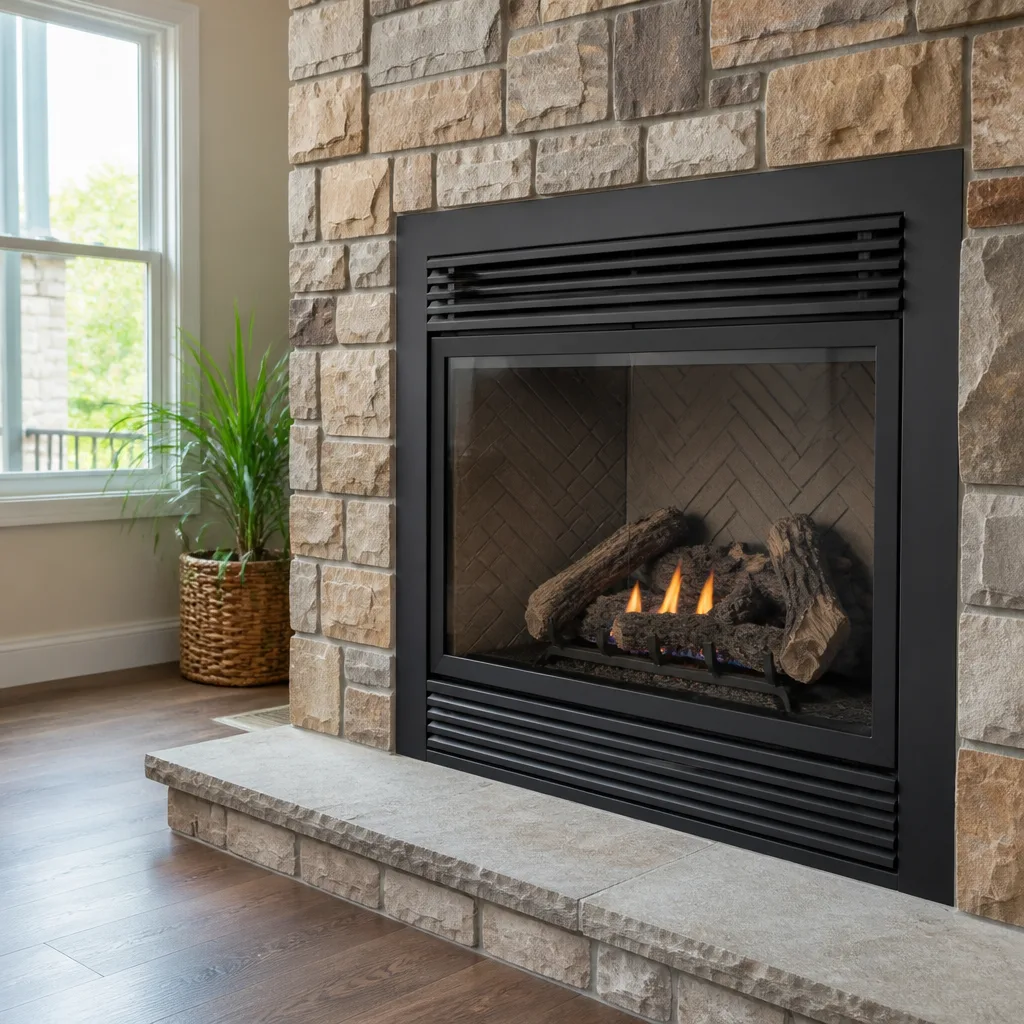 Gas fireplace service
Level 1 sweep and inspection to the NFPA 211 annual standard - flue, crown, cap, and flashing checked and photographed
Chimney sweep logs do not sweep chimneys. They loosen some creosote - which then falls where a brush and vacuum still have to collect it.
DIY vs Professional Chimney Cleaning: The Kaysville Homeowner’s Decision Guide
Here’s the part most cleaning guides get wrong: the question isn’t whether you’re handy enough to run a brush up a flue. Plenty of Kaysville homeowners are. The question is whether you can tell, by hand and by eye, what you’re actually looking at once the brush comes back down. A capable DIYer can remove loose, sooty creosote from a lightly used fireplace. What no brush kit gives you is the judgment to separate Stage 1 flaking creosote from Stage 2 glazed deposits that have bonded to the liner like glass, and that distinction is the difference between routine maintenance and a chimney fire waiting for the next cold night. This guide maps the honest boundary between what you can safely handle and what needs a trained eye, tools you probably don’t own, and the experience to notice a hazard before it becomes a repair. We’ll cover what brushing actually accomplishes, the narrow conditions where DIY makes sense, what a professional sees that you physically cannot, and a checklist to sort your own situation into the right category.
Quick Answer
DIY chimney cleaning is reasonable only for a low-use fireplace that was professionally cleared within the past season, has no glazed creosote, and shows no liner or masonry problems. For anything else, especially an older Kaysville home with an unknown service history, a professional sweep is the safer and often cheaper choice, because the cleaning and the inspection happen together and a problem gets caught before it turns into structural repair. Professional cleaning in Kaysville typically runs $150 to $350 depending on the system, and the inspection is the part that protects your home.
Styles & brands we work with
- Sweep & inspection
- Caps & crowns
- Flue relining
- Masonry repair
- Gas fireplace service
Table of Contents
- What DIY Chimney Brushing Actually Accomplishes
- When DIY Chimney Cleaning Is Appropriate in Kaysville
- What Professionals See That Homeowners Cannot
- The Real Cost of DIY When It Goes Wrong
- Stage 1, Stage 2, and Stage 3 Creosote: Why the Distinction Matters
- A Five-Question Decision Checklist for Kaysville Homeowners
- Kaysville Climate, Older Homes, and Why Local Context Matters
- Common Mistakes to Avoid
- When to Call a Professional
What DIY Chimney Brushing Actually Accomplishes
Consumer-grade chimney brush kits are built to handle one job: knocking loose soot and flaky Stage 1 creosote off the flue walls. That is real work, and for a lightly used fireplace it’s meaningful. A poly brush on a flexible rod run up a straight flue will pull down a surprising amount of powdery residue, and a homeowner who does it correctly can keep a clean-burning appliance reasonably clear between professional visits.
Where the kit hits its ceiling is glazed deposits. Stage 2 creosote has baked onto the liner and hardened into a shiny, tar-like coating. A hand brush with a flexible rod doesn’t carry the rotational torque to cut through it, and pushing harder doesn’t help because the rod flexes and the bristles skate. Professional rotary systems use a powered whip or chain head that spins against the flue wall at a controlled speed, and that mechanical action is what removes the glazed layer without gouging the liner. We use rotary tooling for exactly this reason: on a Kaysville flue with any amount of Stage 2 buildup, hand brushing simply redistributes the problem.
There’s a second limit that gets less attention. Consumer rods are shorter and thinner than professional ones, which means most homeowners can only reach so far up a tall flue, and offset or angled flues defeat them entirely. If your chimney has a smoke chamber, a damper offset, or any kind of jog in the run, a straight DIY rod will stop short of the top sections. Those are precisely the areas where creosote concentrates.
So the honest summary is this: DIY brushing removes the light, loose fraction of the soot load, and it does nothing for the bonded fraction. If the bonded fraction is what you’ve got, you’re not cleaning the chimney, you’re moving the risk around inside it.
When DIY Chimney Cleaning Is Appropriate in Kaysville
We’re not in the business of telling every homeowner they need us. There are real situations where a hands-on owner can do a reasonable job and save the cost of a sweep. The key is being honest with yourself about which category you’re in.
DIY is reasonable when all of the following are true:
- The appliance is low-use. Think a few fires a season, not a fireplace that runs through a cord of wood every winter.
- The system was professionally cleared within the past season. If a trained sweep already confirmed no glazed deposits and a sound liner, you’re maintaining a known-good baseline, not discovering a mystery.
- You burn well-seasoned, dry wood. Wet wood produces far more creosote per fire and pushes you out of the DIY category quickly.
- The flue is straight and reachable. A straight vertical run with easy roof or damper access is workable with a standard kit. Offsets, smoke chambers, and tall runs are not.
- You know what you’re looking for and can recognize when it’s time to stop. That means understanding what an intact liner joint and a sound firebox look like, and being ready to put the brush down and call a sweep if anything looks wrong.
- Gas appliances are a different story entirely. A gas log set or gas appliance doesn’t produce the same creosote load, and a routine inspection is the priority over brushing. DIY brushing on a gas system is largely pointless and can disturb connections or venting you shouldn’t be handling.
If you can honestly check four of the six above, a light DIY maintenance pass won’t hurt. If you’re missing more than two, especially the “recently professionally cleared” one, book a sweep first and make your decision for next season. Our chimney sweep service exists for exactly this starting point: we clear the system, we document what we see, and you get a baseline to maintain against.
What Professionals See That Homeowners Cannot
This is the heart of the whole argument, and it has less to do with cleaning quality than with what a trained sweep notices while they’re up there. A chimney is a system, and the most expensive failures start in places you can’t see from the firebox or the roofline.
Three things routinely hide from a homeowner:
- Liner joint separation. Older flues built from clay tile or sectional metal liners can develop gaps at the joints as the system heats and cools across seasons. A gap lets combustion gases, including carbon monoxide, escape into the wall cavity or attic instead of up and out. You can’t feel a separated joint with a brush, and from the firebox it looks like a normal flue wall.
- Smoke chamber deterioration. The smoke chamber is the tapered area above the damper that funnels exhaust from the firebox into the flue. Its surfaces are often rough, corbelled masonry, which catches creosote and which a straight brush never reaches. Over time the parging can spall and fail. A trained eye with the right light catches this; a homeowner waist-deep in a firebox doesn’t.
- Concealed moisture intrusion. Water is the most common killer of masonry chimneys, and it almost never announces itself. A failed crown, a missing cap, or deteriorated flashing lets water into the masonry, where it freezes and thaws through Kaysville winters and quietly cracks the structure from the inside. Moisture staining and efflorescence on the outside are clues, but the extent shows up in an inspection.
Our technicians have up to 12 years of experience, and most of what that experience buys a homeowner is pattern recognition: knowing what a failing crown looks like before the masonry is compromised, knowing when a flue resurfacing with chimney repair using HeatShield ceramic resurfacing is sufficient versus when a liner replacement is the honest answer. We inspect before we recommend, and we offer inspection as a standalone service precisely because a clean sweep and a real assessment are two different things.
The Real Cost of DIY When It Goes Wrong
It’s tempting to frame DIY as “free versus $200,” but that’s the wrong accounting. The true comparison is what a proper professional visit costs versus the cost of a DIY attempt that damages the system or leaves a hazard in place. Here’s where DIY goes sideways.
- Creosote disturbed without containment. When you brush a flue, soot and creosote fall. Without a properly sealed firebox cover and a shop vacuum rated for fine ash, that material ends up on your hearth, your floor, and in the room air. Fine soot is a genuine mess to clean, and the fine motor risk is real on rugs and soft furnishings.
- Liner damage from the wrong brush gauge. A brush sized too aggressively for the flue, or the wrong bristle type for a stainless flexible liner, can abrade the liner surface or catch on joints. A brush spinning or yanking against a damaged joint can widen a gap that was previously minor.
- Disturbing a blockage or bird nest you can’t see. A nest or debris cap in the flue can collapse downward when disturbed. You want a qualified sweep to deal with that with the right containment, not discover it mid-brush.
- Inspection liability gaps. If you self-clean, you’ve also self-inspected, and you don’t have a trained assessment of the liner, smoke chamber, crown, and cap. For a homeowner selling a Kaysville house, or for an insurance claim after a chimney-related loss, a documented professional inspection is often the difference between a covered event and a contested one. That investigation is a real reason many people book a sweep before listing.
- Time and the roof. Getting on the roof safely, sizing the brush, and cleaning up afterward is real labor. On a steep or icy Kaysville roof, it’s also a fall hazard. Safety matters more than saving an afternoon.
We’re not going to quote you a damage claim we’ve seen on a specific home, because every chimney is different. But the pattern is consistent: DIY mistakes tend to cost more to fix than the sweep would have cost to do. A professional visit here typically runs $150 to $350 for the cleaning plus inspection, and that number should be weighed against a liner repair that starts in the high hundreds and climbs from there.
Stage 1, Stage 2, and Stage 3 Creosote: Why the Distinction Matters
Creosote forms when the byproducts of combustion condense on a cool flue surface. It exists on a spectrum, and the stage determines both the fire risk and the cleaning method. This is the single most important thing a homeowner needs to understand before deciding to clean their own chimney.
| Stage | What It Looks Like | Fire Risk | Removal Method |
|---|---|---|---|
| Stage 1 | Flaky, dusty, soot-like; brushes off easily | Low to moderate | Standard hand or rotary brushing |
| Stage 2 | Hard, shiny, tar-like; bonded to the liner | High | Professional rotary tooling; cannot be hand-brushed off |
| Stage 3 | Thick, glazed, fuel-rich buildup, often heavily concentrated | Severe | Professional rotary removal and liner assessment; sometimes resurfacing or relining |
The problem with DIY is that Stage 1 and Stage 2 feel almost identical through a brush. You can’t determine the stage by how hard you’re pushing, and by the time a homeowner realizes the deposits look shiny rather than flaky, they’ve already discovered the problem too late to fix it themselves. Stage 2 and Stage 3 creosote is genuinely dangerous because it can ignite at lower temperatures and burn hotter than a chimney is designed to handle. We won’t dress that up. A chimney fire from advanced creosote can crack the flue and send gases into the structure.
Here’s the practical point. If your flue has any Stage 2 or Stage 3 buildup, the DIY question is answered automatically: it’s professional work. The professional sweeps in Kaysville we work alongside use rotary equipment precisely because it’s the only reliable way to remove bonded creosote without hammering the liner. So the real decision is not “can I clean it,” it’s “can I get it clean.” For Stage 2 and up, the answer is no.
A Five-Question Decision Checklist for Kaysville Homeowners
Answer these five questions honestly. If you’re a “yes” on all five, DIY is a reasonable option for your situation. If you’re a “no” on any of them, book a professional sweep for Kaysville and start from a clean, inspected baseline.
- Was my chimney professionally cleaned and inspected within the past year? Yes means you know your baseline; no means you’re guessing.
- Does my left-over brushing produce mostly dry, flaky residue, with no shiny or tar-like coating on the walls? If you see glassy deposits, stop: that’s Stage 2.
- Is my flue straight, accessible, and free of offsets, and do I have safe access to the top or a safe damper-side route? A tall, angled, or unsafe-to-access flue is a no.
- Do I burn seasoned, dry wood, and is my fireplace a normal firebox rather than a gas appliance? Wet wood and gas systems both change the equation.
- Can I clearly see, or do I already know, that my liner, crown, cap, and firebox are sound and undamaged? If you can’t verify this, you need an inspection, not a brush.
We like this checklist because it forces the honest answer instead of the wishful one. Plenty of homeowners would answer yes to all five and be perfectly fine running a light maintenance brush. Our only advice: still have a professional inspection every year or two, even if you clean between visits. The cleaning is maintenance; the inspection is your safety check, and it’s the part DIY can’t replicate.
Kaysville Climate, Older Homes, and Why Local Context Matters
Kaysville sits in the high, dry Utah valley with cold winters and a lot of freeze-thaw cycling. That climate shapes chimney problems in ways a generic cleaning guide never mentions.
Freeze-thaw is the big one. Water gets into masonry, expands as it freezes overnight, and works fine cracks into mortar and crowns over a winter. Kaysville homes with older brick chimneys often show efflorescence (the white powdery staining that means water has been moving through the masonry) and spalling, especially on the crown and the cap. A house that looks fine from the curb in July can have a cracked crown that’s funneled water into the chase for two seasons. That’s a repair question, not a cleaning question, which is why we offer cap and crown installation and repair as its own service and why we treat the inspection as the starting point.
Older Kaysville housing stock is the second factor. If you bought a home built decades ago, or inherited a property, the chimney’s service history may be completely unknown. Older flues very often have clay tile liners with joints that have moved, or no proper liner at all by modern standards. That’s not a DIY cleanup, and it’s not something a homeowner should try to assess alone. A proper inspection tells you whether the system is sound, needs resurfacing, or needs a liner. A flexible liner system like DuraFlex is one option a professional might recommend when the flue can’t otherwise be brought back to a safe condition, and a trained contractor would size and install it correctly for your specific flue.
Houses that changed hands recently are the same story. A new-to-you Kaysville home is a great place to start with a paid inspection so you know exactly what you’re maintaining going forward. Nothing about the sweep or the inspection commits you to any repair. If the system is fine, we tell you it’s fine.
One more local note: the freeze-thaw pattern is also why we recommend a proper chimney cap. A cap keeps rain, snow, and animals out of the flue, and it’s the single most effective simple protection for the masonry below it. It’s part of our cap and crown installation and repair work, and it belongs in the same conversation as the sweep because the two protect different parts of the same system. You can read more about the full range of what we do for fireplace repair when the firebox itself is the issue.
Common Mistakes to Avoid
- Assuming “no creosote visible” means “clean.” Stage 2 deposits can sit in the smoke chamber and upper flue where you can’t see them, so a firebox that looks clean proves very little. Only a trained sweep with a light can confirm what’s above the damper.
- Buying the largest brush that fits. An oversized brush abrades the liner and catches on joints. Size the brush to the flue, not the flue to the brush, or have a professional size it for you.
- Brushing a gas appliance. A gas log set or gas insert doesn’t produce creosote the way wood does, and brushing around gas connections is how you create a problem that didn’t exist. Gas systems need inspection, not a bristle.
- Skipping the roof check. Many Kaysville chimney problems start at the crown and cap, and a homeowner on the ground never sees them. Water intrusion usually shows up as staining inside, which is a late signal.
- Cleaning but never inspecting. A brush clears the flue; it doesn’t tell you whether the liner joints have separated or the smoke chamber has deteriorated. Doing the cleaning and skipping the inspection is the most common DIY gap.
- Burning wet or unseasoned wood to save money. It generates substantially more creosote per fire and quickly moves a low-use system into the high-risk category. Dry, seasoned wood is the cheapest creosote prevention there is.
- Assuming a once-over is enough for an inherited fireplace. When the service history is unknown, a light brush pass tells you nothing about liner condition. Start with an inspection on an inherited Kaysville home, not a brush.
When to Call a Professional
Call a professional sweep when the flue shows shiny or tar-like deposits, when the chimney hasn’t been professionally inspected in more than a year, when you’ve just bought or inherited a Kaysville home, or when you notice staining, crumbling mortar, a loose cap, or smoke backing into the room. Also call if you simply can’t safely access the roof, or if the appliance is gas. Our chimney and fireplace services cover all five categories: sweeping, inspection, fireplace repair, structural chimney repair, and cap and crown work. That means one visit can address every layer of the system without bouncing you between contractors. Our technicians have up to 12 years of experience, and we inspect before we recommend anything. Chimney Sweep Kaysville offers free estimates in Kaysville at (844) 759-1416, and the written estimate sets the final price per job.
See the difference
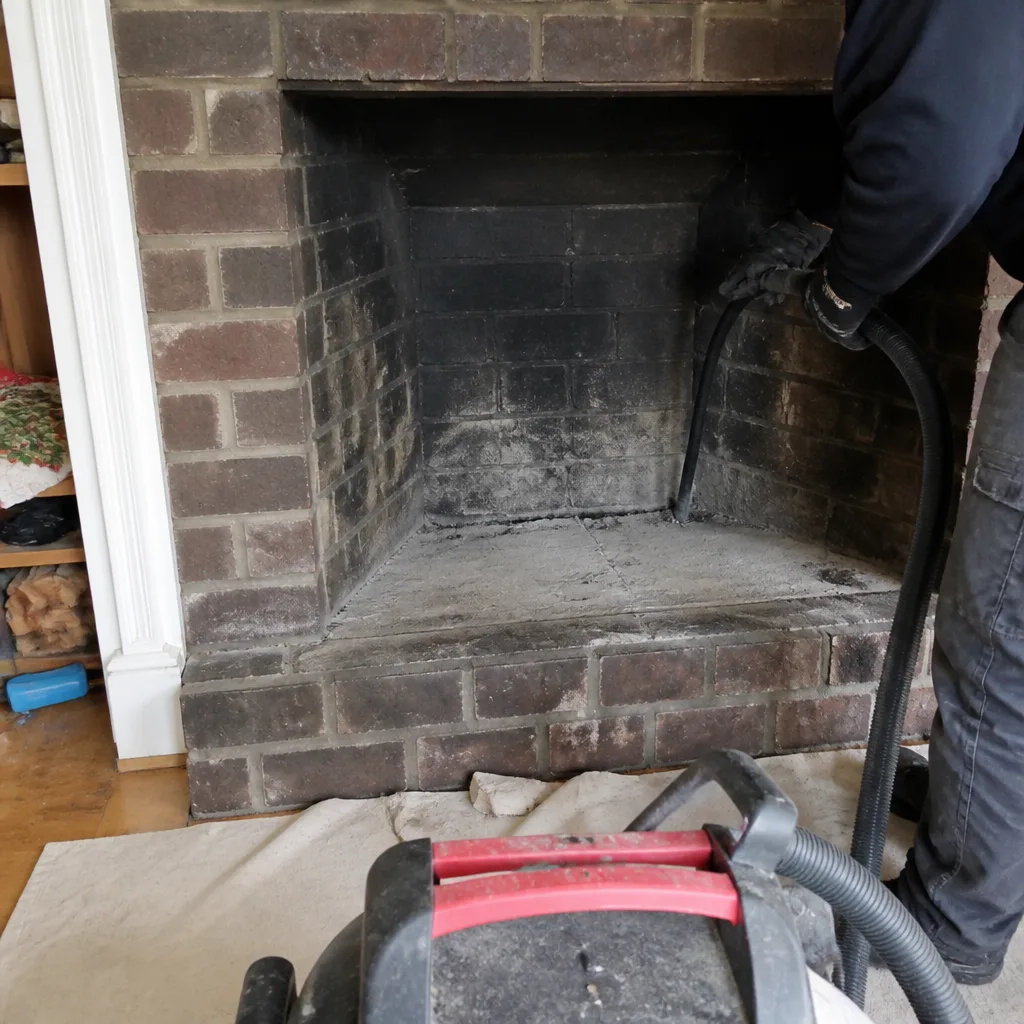 Before
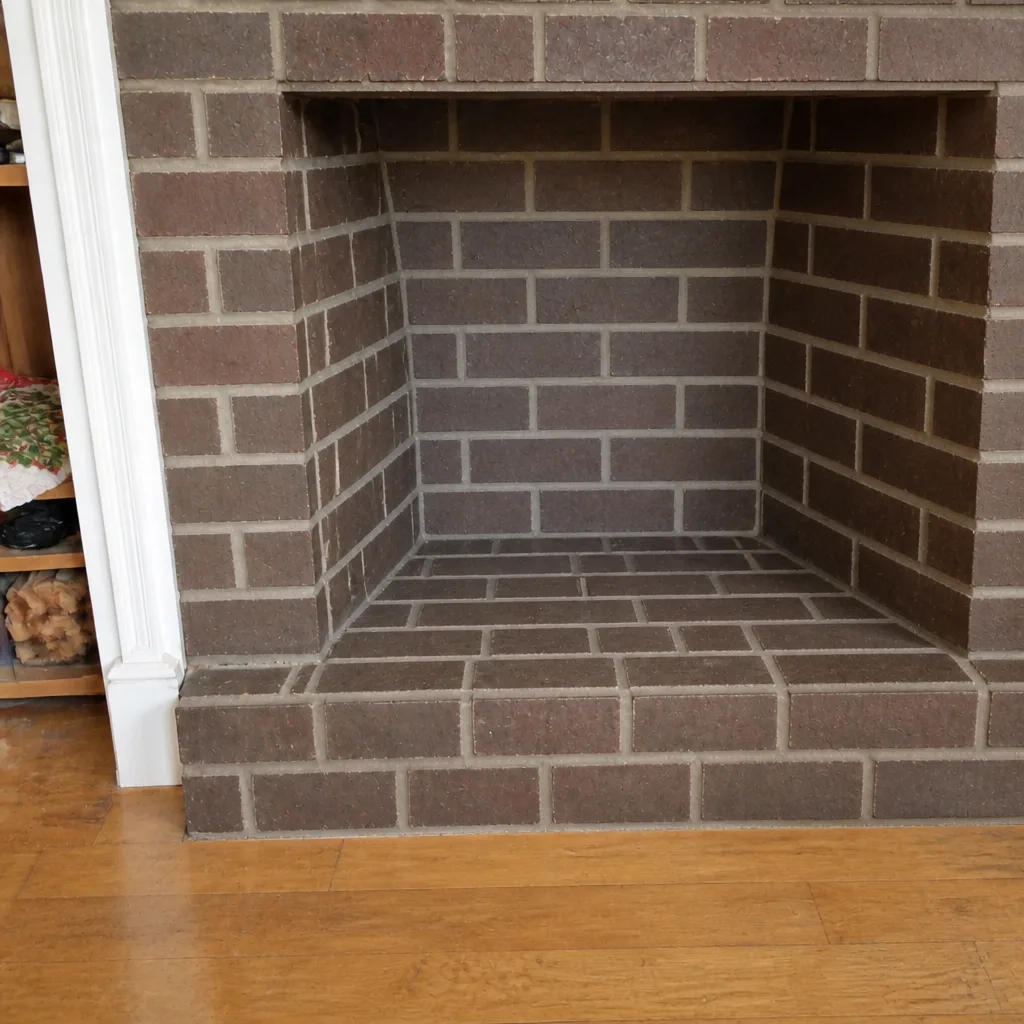 After
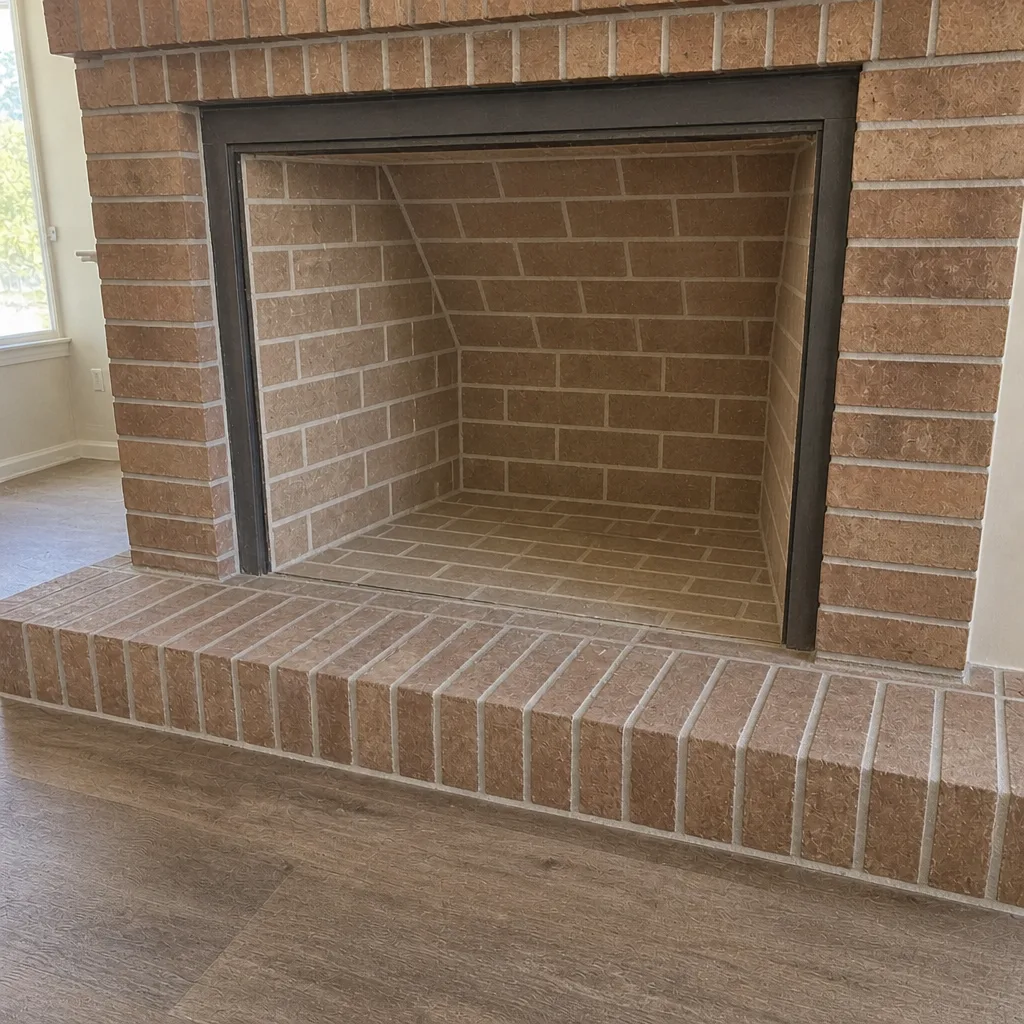
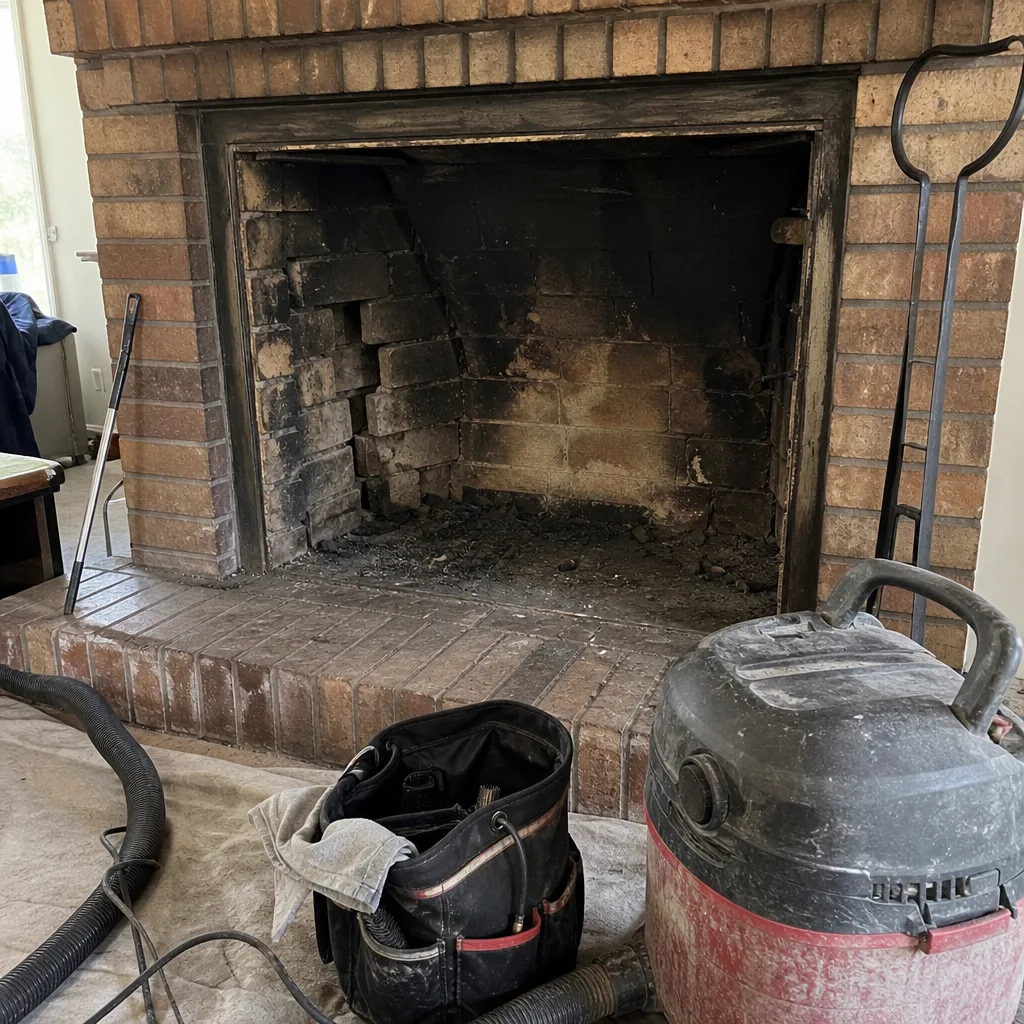 Before
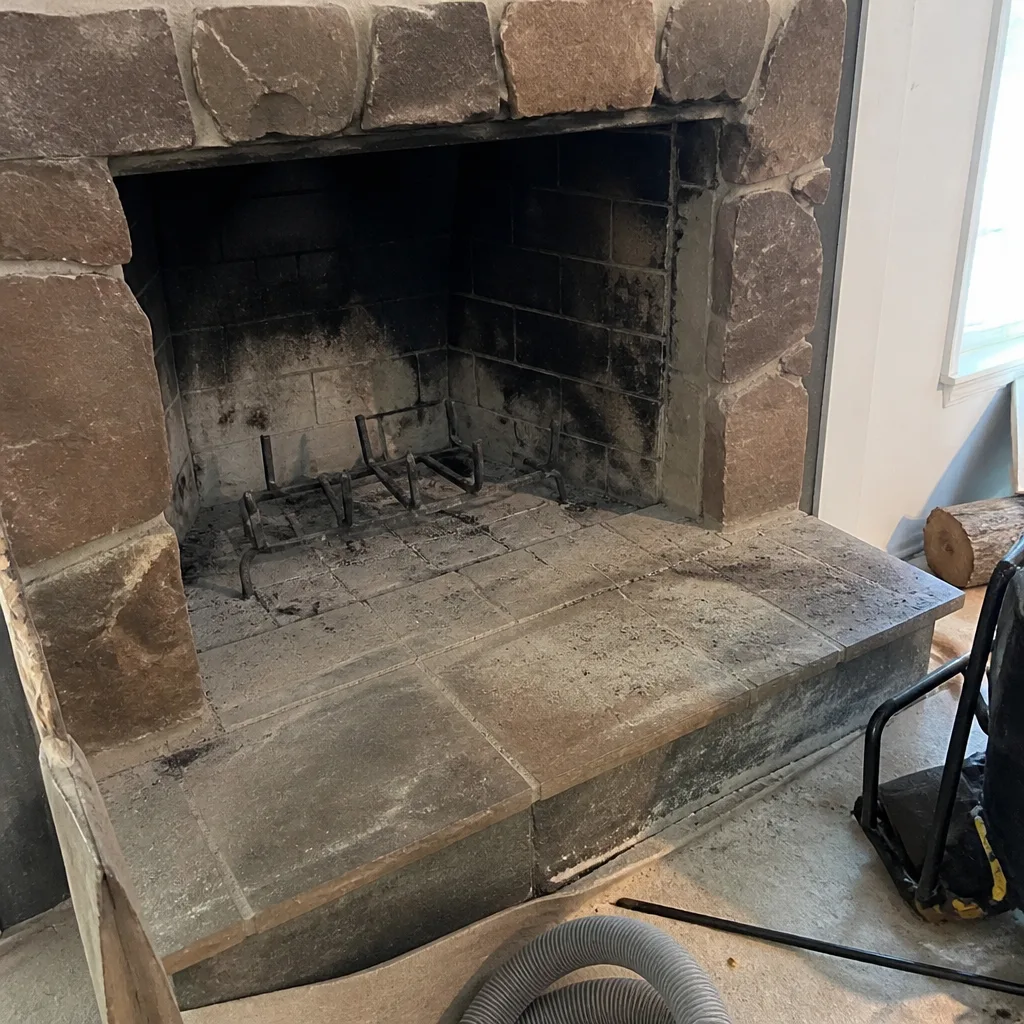
 After
 Before
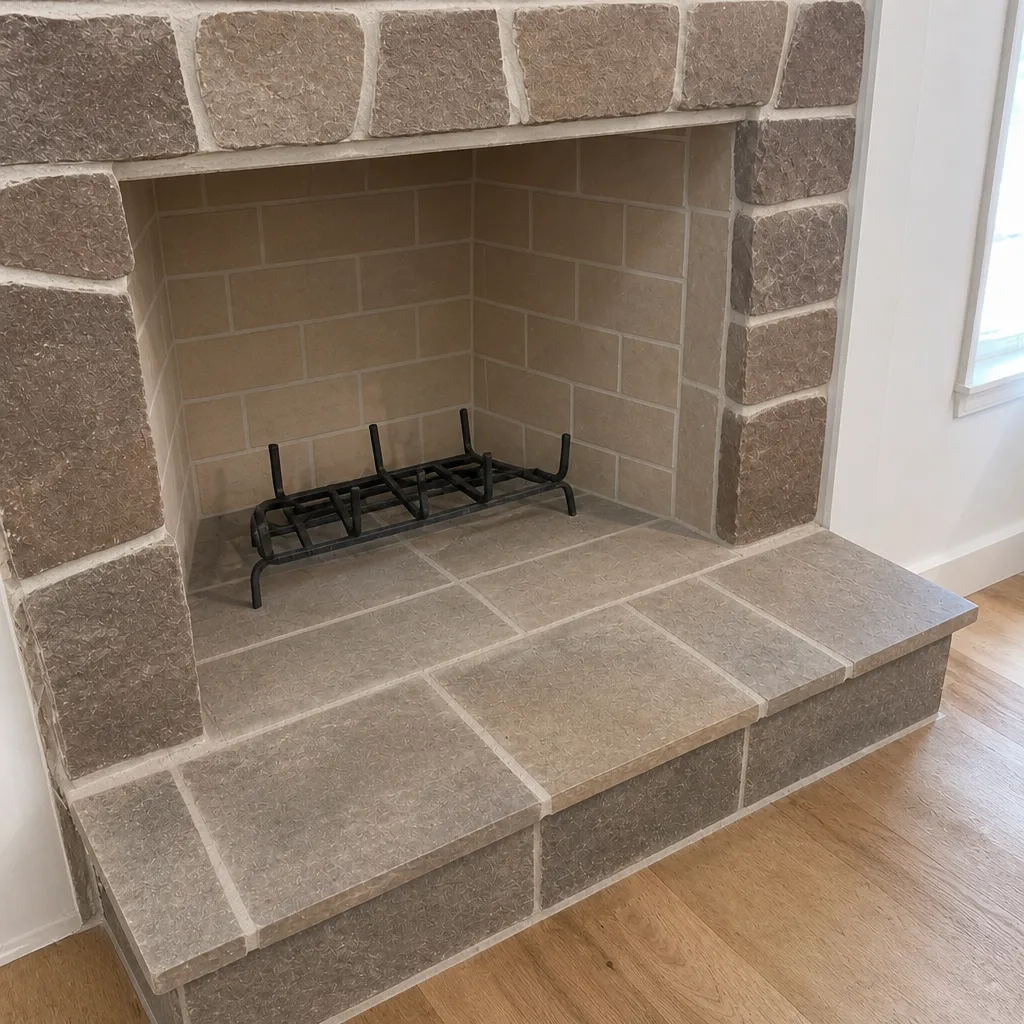 After
Frequently Asked Questions
Professional chimney cleaning in Kaysville typically runs $150 to $350, depending on the system’s size, access, and how much creosote has built up. Inspections are often offered as part of the sweep, and a standalone inspection is a separate service if you want the assessment without the cleaning. The written estimate sets the final price. Call (844) 759-1416 for an exact quote. Estimates are free.
You can, but only under a narrow set of conditions: a low-use fireplace, dry seasoned wood, a straight accessible flue, no glazed creosote, and a professional inspection within the past year to establish the baseline. If any of those is missing, especially the recent inspection, a professional sweep is the safer call. The reason is simple: a hand brush removes loose soot but can’t reliably remove bonded Stage 2 creosote or spot a separated liner joint.
You need a new liner only when the existing liner can’t safely contain combustion gases, and a proper inspection should show you why with clear evidence before anyone recommends a replacement. A separated clay tile joint, a cracked flue, or a deteriorated flue that can’t be resurfaced are legitimate reasons. A clean, sound flue is not. We inspect before we recommend, and we tell you plainly when the system is fine and work can safely wait. Call (844) 759-1416 to book an inspection and see for yourself. Estimates are free.
Most wood-burning fireplaces should be swept once a year during the heating season, and inspected annually regardless. A heavily used fireplace, or one burning unseasoned wood, may need more frequent cleaning. A gas appliance generally needs inspection rather than sweeping. In Kaysville’s cold winters, booking the sweep before burning season starts is the practical habit, since the whole point is being ready for the first cold night. Call (844) 759-1416 to book a sweep on your schedule. Estimates are free.
Creosote accumulates, and Stage 2 or Stage 3 deposits can ignite at temperatures a chimney isn’t designed to withstand, so a chimney fire is the real risk of a neglected flue. Separately, a hidden liner or crown failure lets combustion gases into the structure or lets water into the masonry, and both cause expensive damage. We’re not going to overstate it: a well-maintained, low-use fireplace with annual inspection is low risk. The risk lives in the forgotten flue. Call (844) 759-1416 if you don’t know the condition of yours. Estimates are free.
For a fireplace used a handful of times a season, kept clear by an annual inspection, a light DIY cleaning between professional visits is worth it and won’t hurt anything. The catch is that “hardly use it” is often how homeowners describe a fireplace that actually has a year or two of unknown history behind it. If you’re not sure of that history, an inspection is the better first move than a brush. Our Chimney Sweep Kaysville team can confirm the condition and set you up on a schedule that makes sense. Call (844) 759-1416. Estimates are free.
The Bottom Line
The DIY vs professional question isn’t really about cost. It’s about information. A brush kit can remove the loose, harmless soot; what it can’t do is tell you what stage your creosote is at, whether your liner joints have separated, or whether your crown is quietly filling the walls with water. For a low-use, recently inspected Kaysville fireplace burning dry wood, a light maintenance brush is a reasonable habit, and we’ll say so. For anything with an unknown history, glazed deposits, or an older system, a professional sweep and inspection together is the honest starting point. Our technicians have up to 12 years of experience, we inspect before we recommend, and our work spans sweeping, inspection, fireplace repair, structural repair, and cap and crown installation so one crew covers every layer of the system.
Call (844) 759-1416 for a free estimate. We answer 24/7. Fast dispatch from 7am to 7pm, Sunday through Friday.
Written by the team at Chimney Sweep Kaysville.