
Last updated November 24, 2026
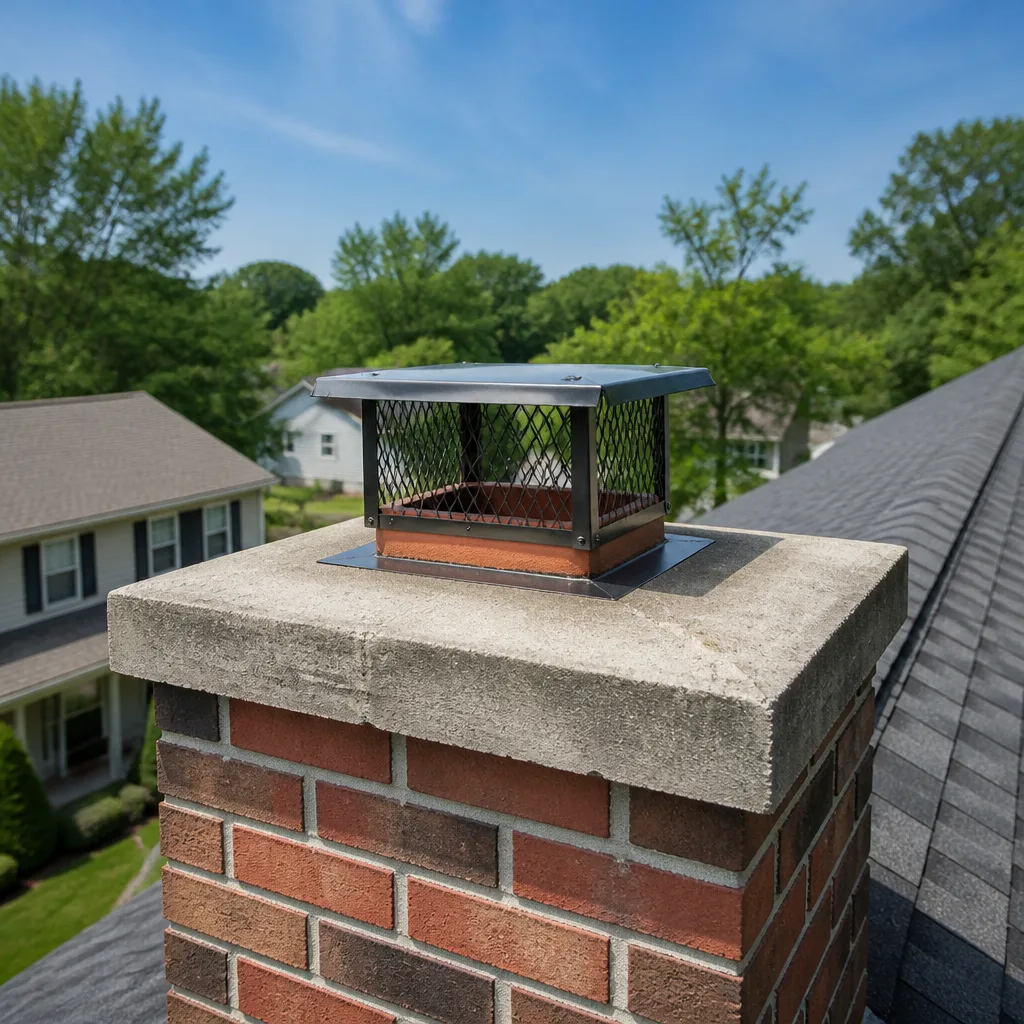 Sweep & inspection
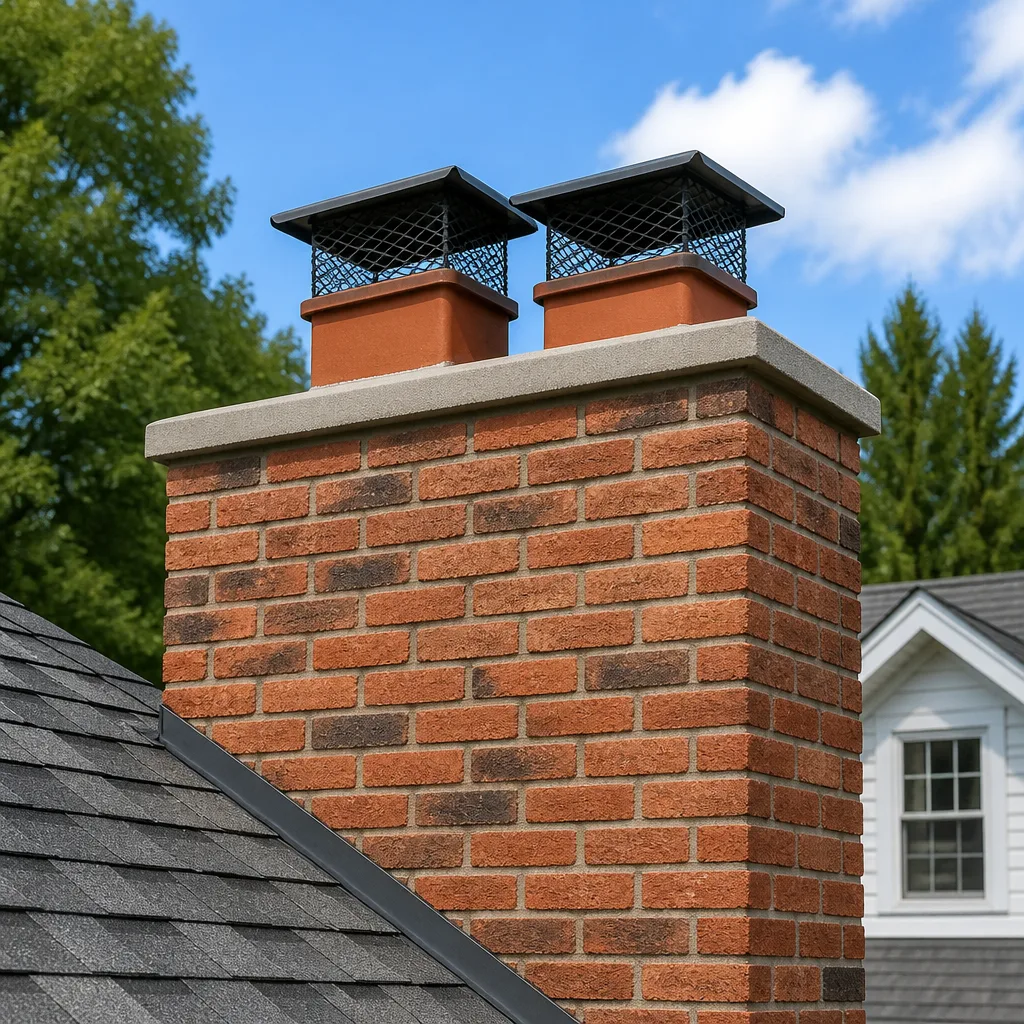 Caps & crowns
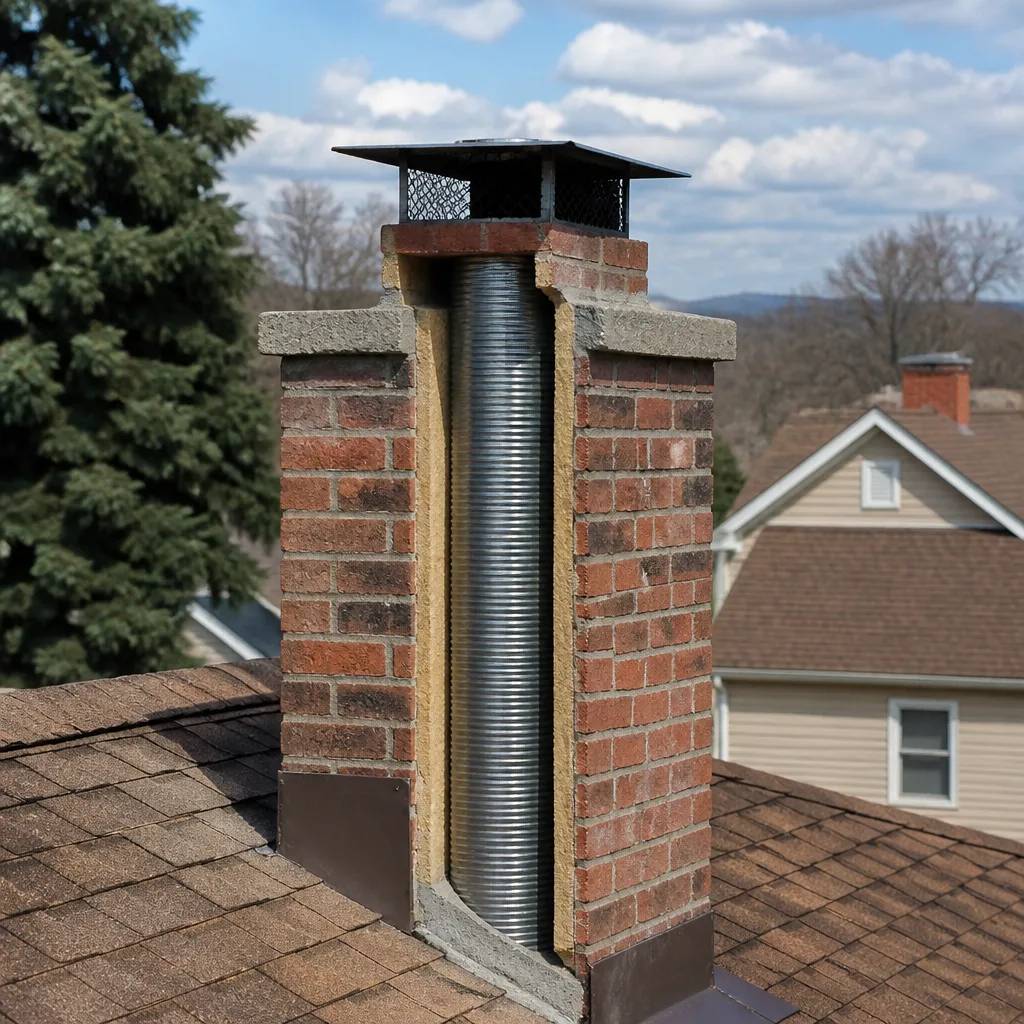 Flue relining
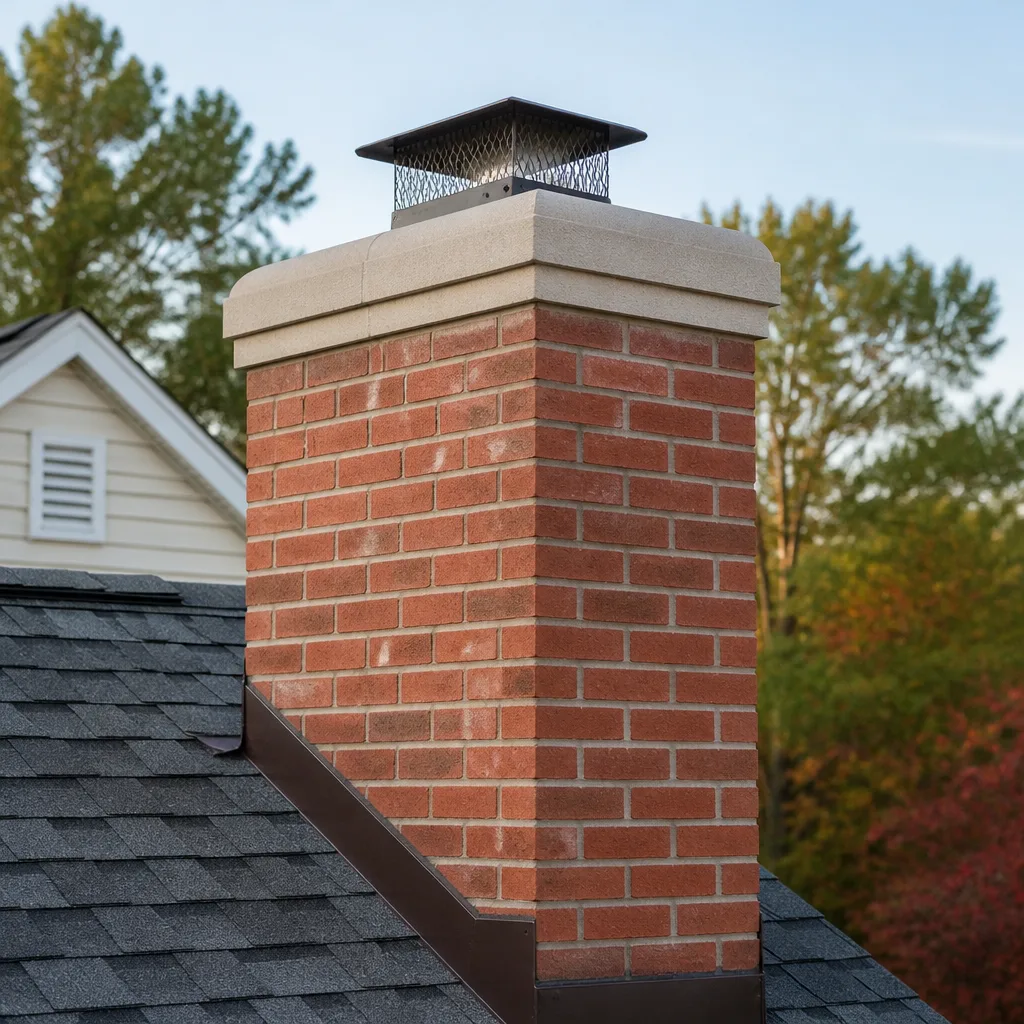 Masonry repair
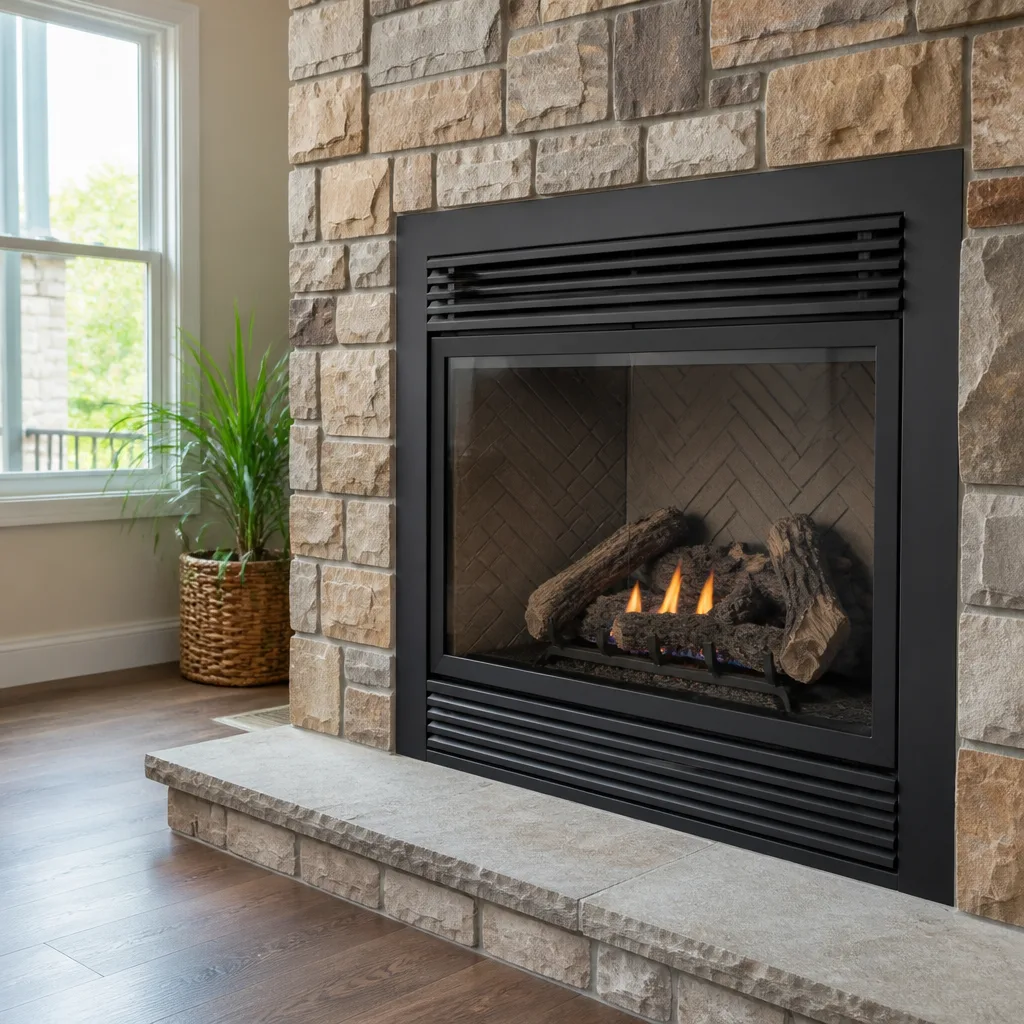 Gas fireplace service
Level 1 sweep and inspection to the NFPA 211 annual standard - flue, crown, cap, and flashing checked and photographed
Chimney sweep logs do not sweep chimneys. They loosen some creosote - which then falls where a brush and vacuum still have to collect it.
The Complete Guide to Chimney Cleaning in Kaysville
Most chimney fires we’re asked about didn’t start because the homeowner skipped cleaning for a decade. They started because the chimney looked clean. Creosote doesn’t build evenly, and the glazed, tar-like stage hides in the offset, in the smoke chamber, and around the flue collar where a flashlight beam doesn’t reach. A homeowner in Kaysville can burn a hot fire every winter, run a brush down the flue, and still be lighting a fire over fuel that’s ready to ignite. This guide maps what a real chimney cleaning in Kaysville actually involves: the inspection that comes first, the tools and methods that change with your flue material, the difference between the three inspection levels, and the warning signs that should stop you from burning until a professional takes a look.
Quick Answer
Chimney cleaning in Kaysville is a three-stage diagnostic process: a visual inspection to find what you’re dealing with, mechanical brushing of the flue with the right tools for your liner material, and HEPA-filtered extraction of the debris so nothing ends up in your living space. A sweep done right takes longer than a brush-and-go because the inspection happens first and the findings get reported before anything is recommended. Our technicians have up to 12 years of experience, and the systems we see in Kaysville homes vary widely due to how hard the long winter burn season works them.
Styles & brands we work with
- Sweep & inspection
- Caps & crowns
- Flue relining
- Masonry repair
- Gas fireplace service
Table of Contents
- Why Kaysville’s Winter Burn Season Is Harder on Chimneys
- The Three Stages of a Professional Sweep
- How Your Flue Liner Material Changes the Job
- Level 1, 2, and 3 Inspections: What Each One Covers
- The Three Stages of Creosote (and Which One Should Stop You)
- Red Flags That Turn a Cleaning Into a Repair
- What Skipping a Sweep Actually Costs You
- How to Choose a Chimney Sweep in Kaysville
Why Kaysville’s Winter Burn Season Is Harder on Chimneys
Kaysville sits against the Wasatch Front, and the valley geography here creates winter inversion conditions that trap cold air close to the ground. When the inversion holds, the air is dense and the pressure is high, and any wood stove or fireplace draws differently than it does on a clear, breezy day. Weak draft means a smoldering, cooler fire, and a cooler fire is a creosote factory. Smoke has to leave at a certain temperature to burn off the volatile compounds in it. Drop that temperature a little and the compounds condense onto the flue walls instead of going up and out.
The burn-cycle problem
We see two patterns in Kaysville homes. The first is the homeowner who burns steadily from November through February, drafts the damper before lighting, and uses well-seasoned wood. That system still builds creosote, just more slowly. The second is the homeowner who burns hard during the cold snaps and then lets the system sit idle for weeks between storms. Every cold start fires a short, hot burn into a cold flue, and every idle stretch lets the creosote that already formed harden and glaze. Over several winters, the second pattern produces the worse chimney, even though it burns less wood.
What Utah’s dry fuel does well and what it doesn’t
The good news is that split hardwood seasoned properly in this climate dries faster than it would in a humid state. The bad part is that dry wood burns hot and fast, and if the chimney is undersized for the firebox or the flue has a slight offset, a hot fast fire drives smoke quickly through the cooler bends and deposits there. We’ve pulled glazed creosote from the offset of a flue that looked spotless at the top because the fire was running efficiently through the straight section and slowing at the angle. That’s the point of inspecting the whole flue, not just what the flashlight sees through the damper.
The Three Stages of a Professional Sweep
A thorough sweep is diagnostic first, cleaning second. If a technician arrives, runs a brush, and hands you a bill, you got a sweep but not a cleaning. Here’s what the full process looks like, in order, and what each stage tells you.
Stage 1: Inspection and system mapping
Before any tool goes into the flue, the technician checks the firebox, damper, smoke chamber, flue, cap, and crown. We look at draft by feel and by test, we note the liner type, and we measure flue dimensions relative to the firebox opening. This is where the technician decides which brushes and rods go up, and it’s where problems that would be hidden later get flagged. If there’s a cracked tile in the upper flue or a failed crown joint, the inspection should surface it before the sweep so the report can explain it.
Stage 2: Mechanical brushing with the correct tooling
The liner material decides the brush. Clay tile flues get polypropylene brushes, stainless steel flexible liners get a softer brush or nylon depending on the liner, and cast-in-place or resurfaced systems get the gentlest tooling because aggressive brushing can damage the surface. A technician who uses one brush for every job is telling you something about their training. Debris collects at the smoke shelf and needs to be worked down and out, and the smoke chamber deserves its own pass; it’s the most overlooked part of most sweeps and one of the most common places creosote hides.
Stage 3: Debris extraction and a photo or video record
A proper sweep uses a HEPA-rated vacuum running throughout the entire job, not just at the end. Debris gets collected in a sealed bag, not bagged by hand and carried through the house. When the sweep is finished, the technician shows you what came out and what the flue looks like with a camera or photos. This is the part that separates a real chimney sweep from a brush-and-run. You should walk away understanding the condition of your system, not just the fact that it got cleaned.
How Your Flue Liner Material Changes the Job
The single biggest factor in what a chimney cleaning looks like is the flue liner. A clay tile flue from the 1970s and a stainless steel liner installed recently are two different animals, and the tools, brush pressure, and inspection techniques change accordingly.
Clay tile liners
Clay tile is the standard in older Kaysville homes. It’s durable when it’s intact, but the mortar joints between tiles deteriorate over time, and a hairline crack at a joint allows hot gases to reach the surrounding masonry or, in a framed chimney, the wood structure behind it. During a sweep, we look for missing mortar, misaligned tiles, and cracks. A chimney that looks fine inside the flue can have a joint failure three tiles up that only shows up under camera inspection. If we find tile damage, that’s a conversation about relining, often with a chimney repair plan rather than continuing to burn.
Stainless steel flexible liners
Many Kaysville homes have been relined with a stainless steel flexible liner like DuraFlex, which is one of the systems we install. Stainless liners are factory-built and sized to the flue, so they’re consistent, but they can develop damage at the appliance connection, at the top plate, and around any support ring. Sweeping a stainless liner requires a brush with the right bristle grade; a stiff brush designed for clay can score the inside surface and create a rough edge that catches future creosote. We match the brush to the liner every time.
Cast-in-place and resurfaced flues
Cast-in-place liners and HeatShield ceramic resurfacing are the other category we see. These are applied systems that restore flue integrity without full demolition, and they work well, but their surface is different from factory steel or aged clay. Brushing has to be gentle and the inspection has to watch for cracking or spalling in the resurfaced layer. If your chimney was resurfaced, tell the technician before they start. A good sweeper will ask. A great one will already have noted it during the initial inspection.
Level 1, 2, and 3 Inspections: What Each One Covers
Not every inspection is the same, and the level decides what’s actually looked at. Choosing the right level before the sweep matters, because a Level 1 won’t find what a Level 2 would.
- Level 1: A visual inspection of accessible parts of the chimney and venting, using basic tools like a flashlight and mirror. It covers what you can see from the firebox, through the damper, and from the roof at the cap and crown. Level 1 is appropriate when nothing has changed with the system and there’s no reason to suspect a problem.
- Level 2: Adds a video camera scan of the flue interior and inspection of accessible attic, crawlspace, and chimney chase areas. Level 2 is the right choice when you’ve bought a new home, changed fuel type or appliance, had a chimney fire, or noticed water intrusion or visible damage. If you’ve recently moved into a Kaysville house and don’t know the chimney’s history, this is the inspection to get.
- Level 3: Involves removing parts of the chimney or the building structure to look at concealed areas. It’s used when a Level 2 finds something that requires deeper investigation, like a suspected hidden crack behind masonry. Level 3 is uncommon and gets planned in advance with the homeowner.
The practical takeaway for most Kaysville homeowners: annual maintenance sweeps go with a Level 1, and a Level 2 should happen at every real estate transaction and every time something about the system changes. If you don’t know your chimney’s history, ask for Level 2.
The Three Stages of Creosote (and Which One Should Stop You)
Creosote isn’t one thing. It accumulates in three forms, and the third is why a cleaned chimney can still be dangerous.
- Stage 1: Soot and light fluff. Dry, powdery, and easy to brush out. This is what a well-run chimney should produce between annual cleanings.
- Stage 2: Crusty, flaky deposits. Harder than soot, sometimes with a brittle or layered appearance. A standard brush will break off the top layer but won’t remove the deposit that’s bonded to the flue wall. Stage 2 creosote can ignite.
- Stage 3: Glazed, tar-like fuel. Dark, shiny, and hard as a rock. Stage 3 creosote doesn’t brush out at all. It requires chemical treatment or mechanical removal and, in bad cases, means the flue has reached the point where relining is the safer path. This is the deposit that turns a routine cleaning into a repair conversation.
If a technician tells you your chimney is clean but can’t tell you what stage of creosote was present or show you the flue with a camera, treat the cleaning as incomplete. The stage matters more than the fact that it got brushed.
Red Flags That Turn a Cleaning Into a Repair
Cleaning and repair aren’t the same job, and when a sweep turns over a real problem, the answer isn’t always a repair. Sometimes it’s a scheduled repair later in the season. Sometimes it’s a full reline. Here are the signs we treat as a stop-burning signal until they’re addressed.
- Glazed or shiny flue walls that won’t come off with brushing. That’s Stage 3 creosote, and further fires push you toward a chimney fire.
- Cracked or missing tiles, or visible gaps at joints in a clay flue. Combustion gases don’t have to go up; they can go out through the gap into the structure.
- Water staining, rust, or white efflorescence on the exterior around the chimney or at the crown. That’s a crown or flashing failure, and it means water has been reaching the flue.
- Damaged or missing cap that lets rain, birds, and debris in. Caps and crowns are a big part of the work we do, and they’re the most common entry point for water problems that eventually turn into liner damage.
- Visible cracks in the firebox or smoke chamber or a damper that no longer seats properly. Both let heat and gases escape where they shouldn’t.
- A previous chimney fire the homeowner may not have been told about, usually visible as cracked tiles, warped dampers, or puffy creosote in the flue.
- Corrosion or detachment at the appliance connection on a stainless liner. A liner that’s separated from the appliance is not venting the way it was designed to vent.
None of these means you have to commission a rebuild on the spot. It means stop burning, get the inspection and report, and make the decision with real information in hand. We inspect before we recommend, and we say plainly when work can safely wait until next season. Call Chimney Sweep Kaysville to set up the inspection that will actually tell you.
What Skipping a Sweep Actually Costs You
The honest answer is that skipping a sweep costs less than doing it right up until the point where it costs dramatically more. A chimney fire that reaches the surrounding structure is a house fire. A flue with a compromised liner is a carbon monoxide pathway into your living space. And a chimney that’s taken on water for several winters means the damage has moved from the cap and crown into the masonry and the liner, which is where the cost curve gets steep.
The progression we see most often
- Year 1-2 without a sweep: Creosote builds past Stage 1 into Stage 2. Nothing else changes. This is the easy, inexpensive fix.
- Year 3: Stage 2 creosote reaches Stage 3 in the offset or upper flue. The system is now one hot fire away from a chimney fire.
- A chimney fire happens: Tile cracks, mortar joints fail, the liner is compromised. What was a cleaning is now a reline or a structural repair.
- Or water gets in first: Missing cap or failed crown lets water reach the flue. Freeze-thaw cycles crack tiles, the firebox masonry spalls, and the smoke chamber needs repair.
Annual cleaning is the cheapest point on that curve. Everything past it is a repair.
How to Choose a Chimney Sweep in Kaysville
Chimney work attracts a wide range of operators. Some are excellent, some are trying, and some are selling liner replacements for chimneys that don’t need them. Here’s what separates the ones worth your time.
Questions to ask before you book
- Does the inspection come before the recommendation? A diagnostic-first approach means they show you the flue on camera before recommending anything.
- Can they describe what tools and brushes they’ll use for your liner type? If they can’t, they don’t know what they’re dealing with.
- Do they use HEPA-rated extraction, or do they sweep with a shop vac and a tarp?
- Do they offer inspection as a standalone service, not just bundled with a sweep or a repair estimate?
- What’s the written report look like? You should get photos or video, not just a verbal summary.
What our process looks like
We work in five categories: sweeping, inspection, cap and crown work, fireplace repair, and chimney structural repair. We install professional-grade product lines including DuraFlex, HeatShield, Olympia Chimney, Famco, Gelco, and Copperfield. We offer inspection as its own service, because a diagnostic-first conversation is more useful than a quote driven by a sales target. Our technicians have up to 12 years of experience, and every system we work on gets inspected before any work is quoted. When you compare providers, ask the same questions; a sweep is a small job and it shouldn’t be a guessing game.
Common Mistakes to Avoid
- Treating a “cleaned” chimney as a safe chimney. Clean and safe are different questions. A flue can be brushed out and still have a cracked tile, a failed joint, or a compromised connection. The camera is what tells you.
- Burning softwood and green wood to save money on cordwood. In Kaysville’s cold snaps, the temptation to burn less-seasoned wood is real, and it drives creosote buildup faster than almost anything else. Season your splits properly and mix in dry hardwood.
- Waiting until you smell smoke to think about the chimney. By the time draft problems are noticeable in the house, the deposit is often already at Stage 2 or Stage 3. Annual inspection catches it earlier.
- Skipping the cap because “it’s just decorative.” A cap is the number one defense against water and animal intrusion into the flue. Missing or damaged caps are one of the most common reasons we get called for a chimney that isn’t breathing right.
- Letting a roofer handle the crown. A crown is not a roofing job; it’s a masonry joint between the chimney structure and the flue. It’s worth having done by someone who works on chimneys, not someone who works on roofs.
- Hiring whoever shows up first without asking about liner tooling. A single-brush technician will damage a stainless or resurfaced flue. Ask the liner question before you book.
- Lighting a fire right after a sweep without a check on draft. A clean flue should pull well. If it doesn’t, there’s a blockage or a damper issue to solve before fire number one.
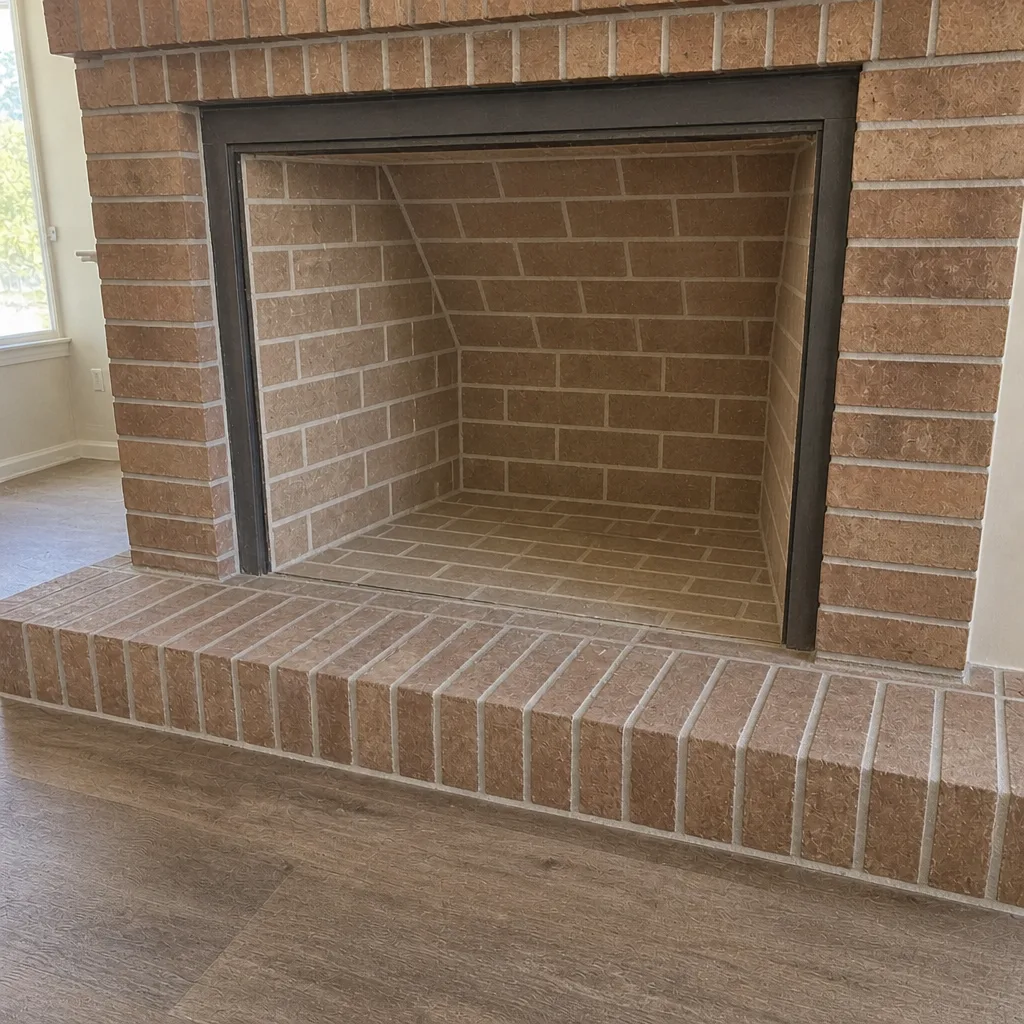
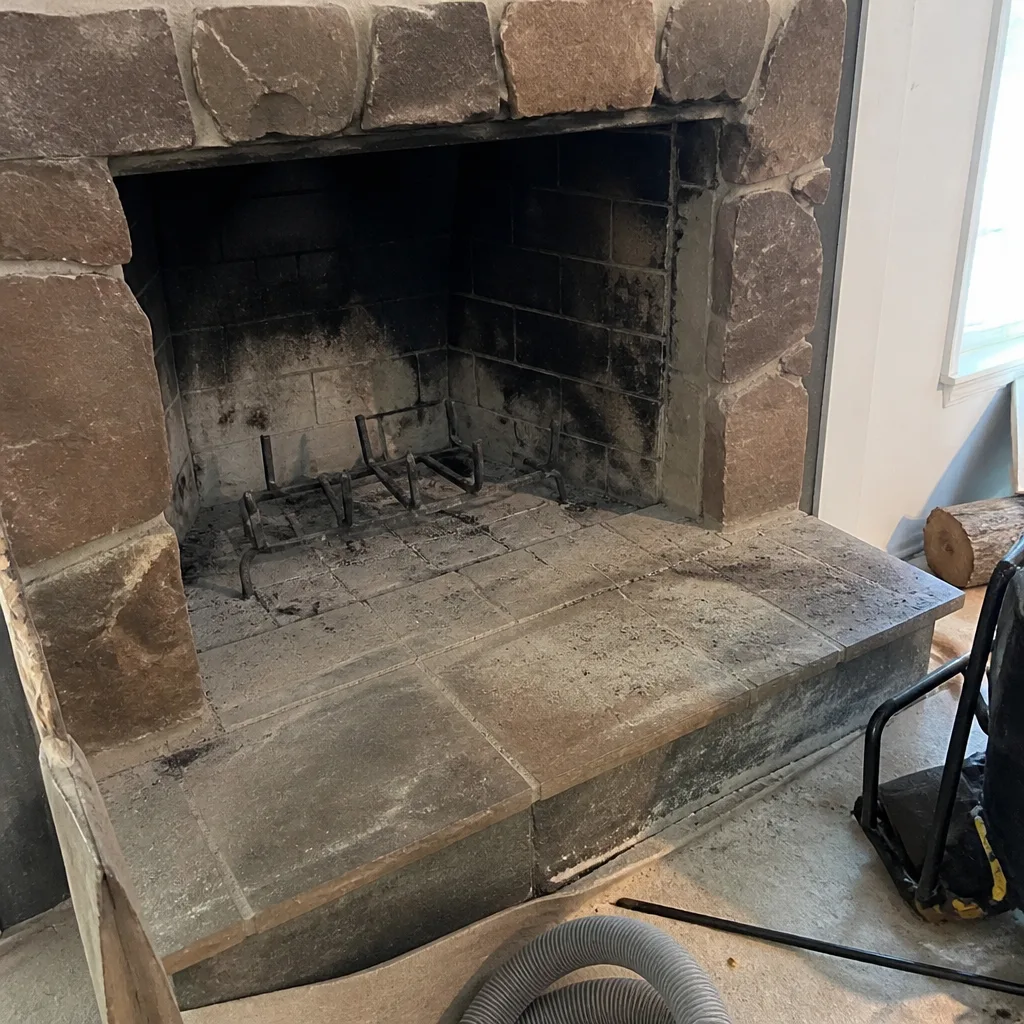
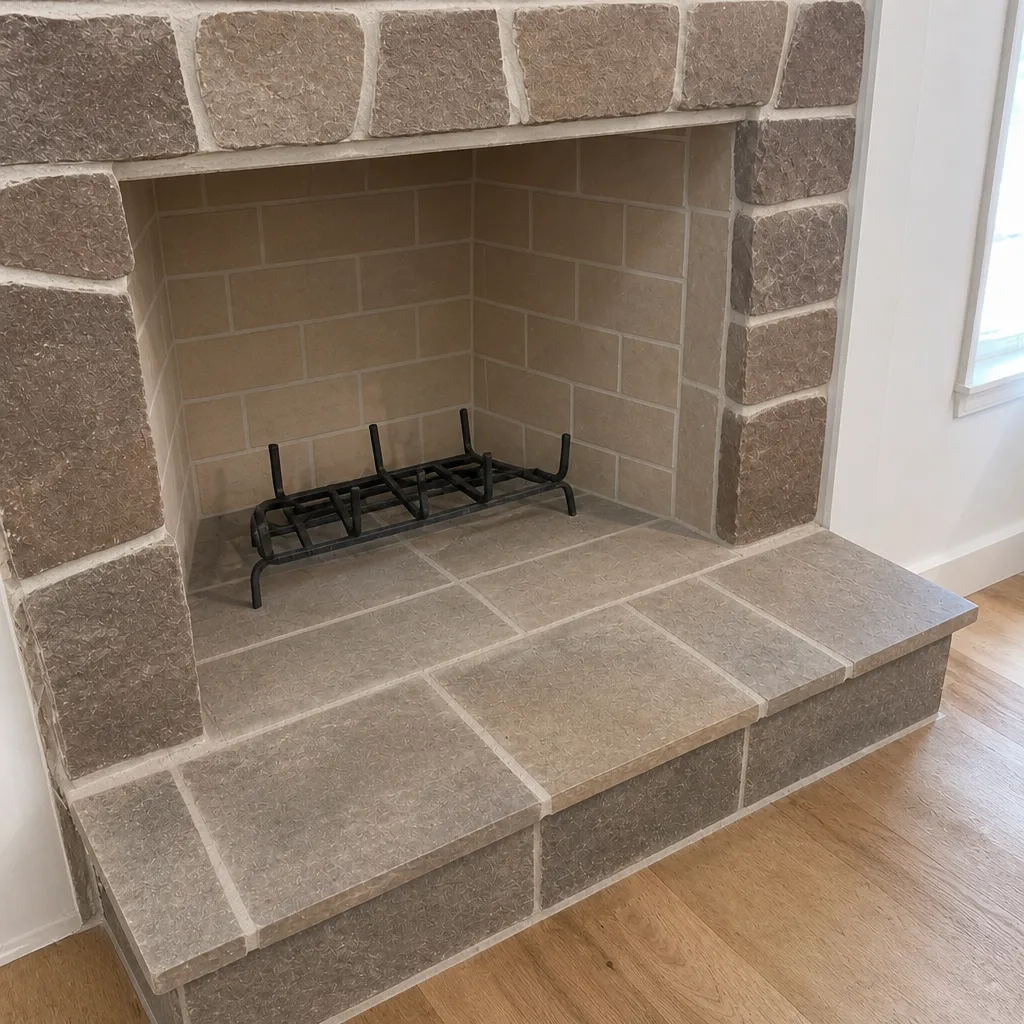
See the difference
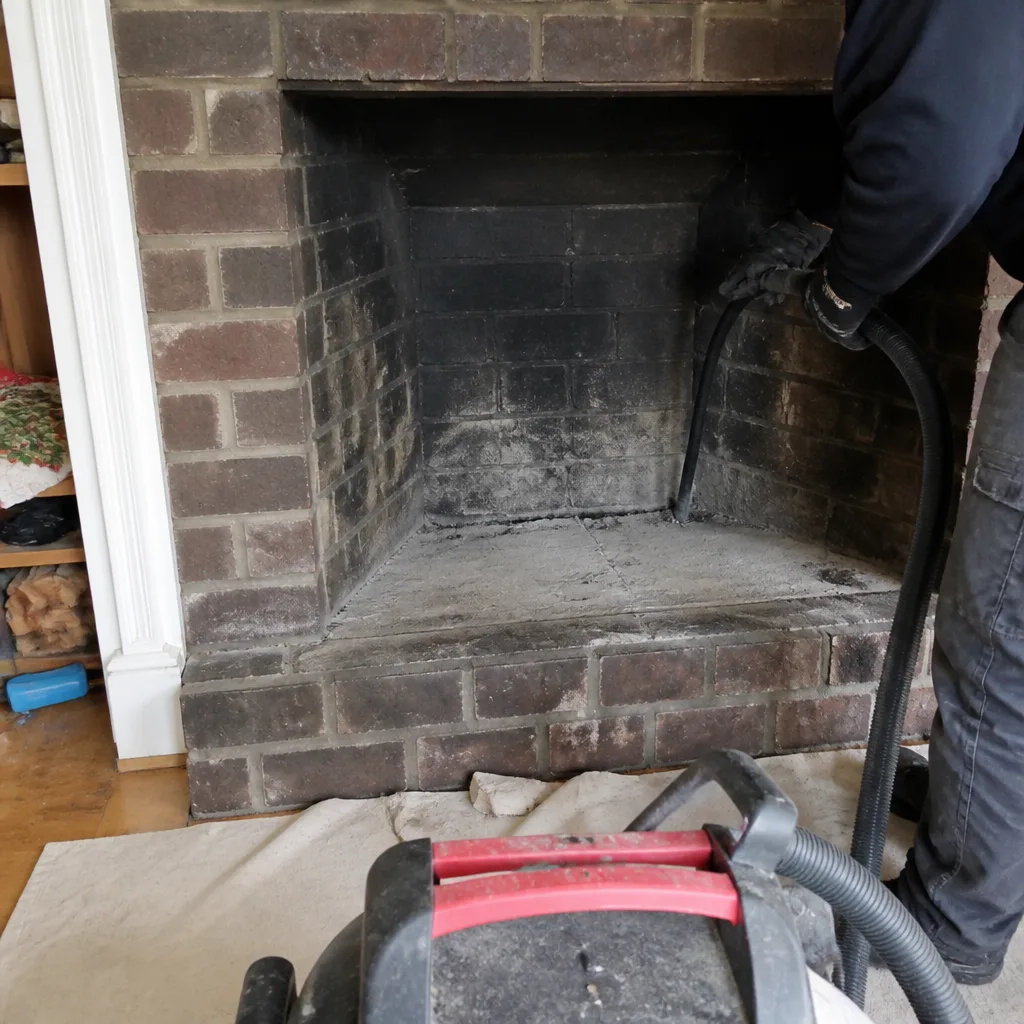 Before
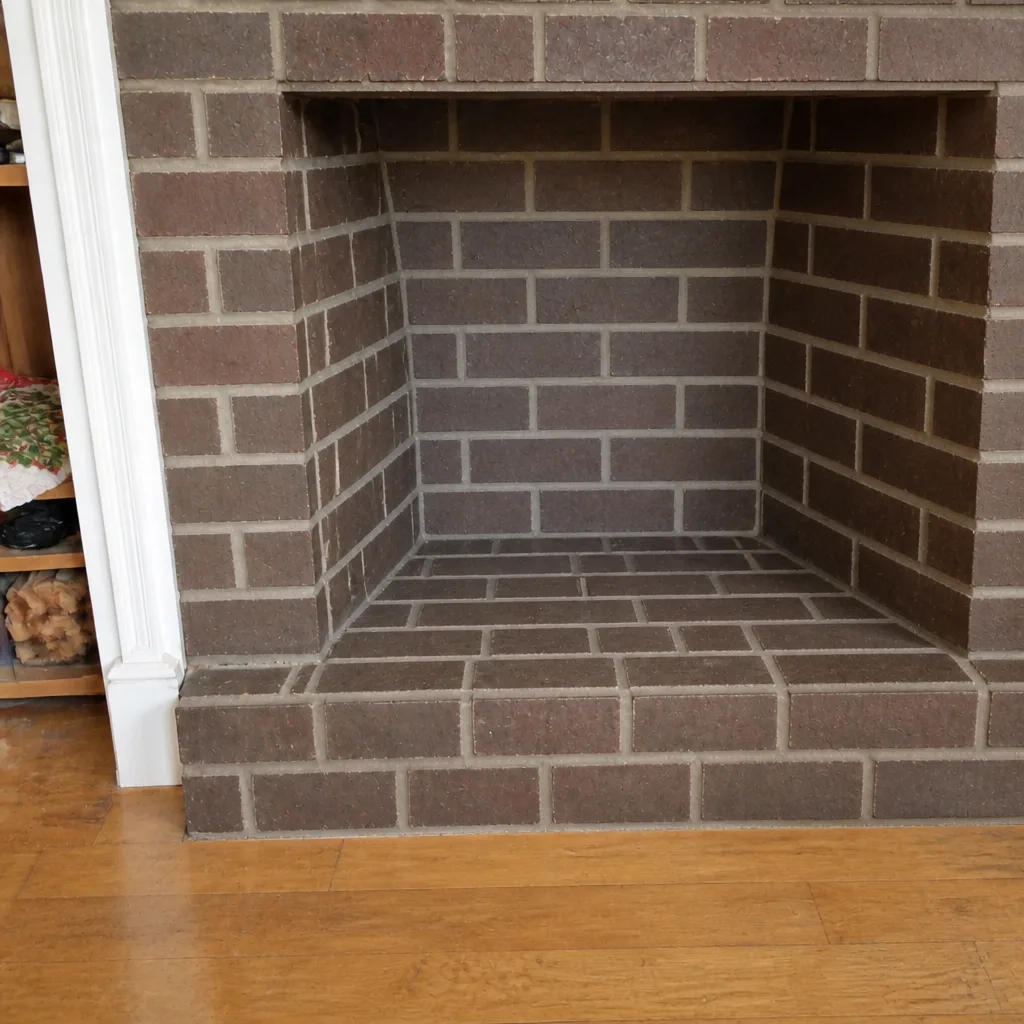 After
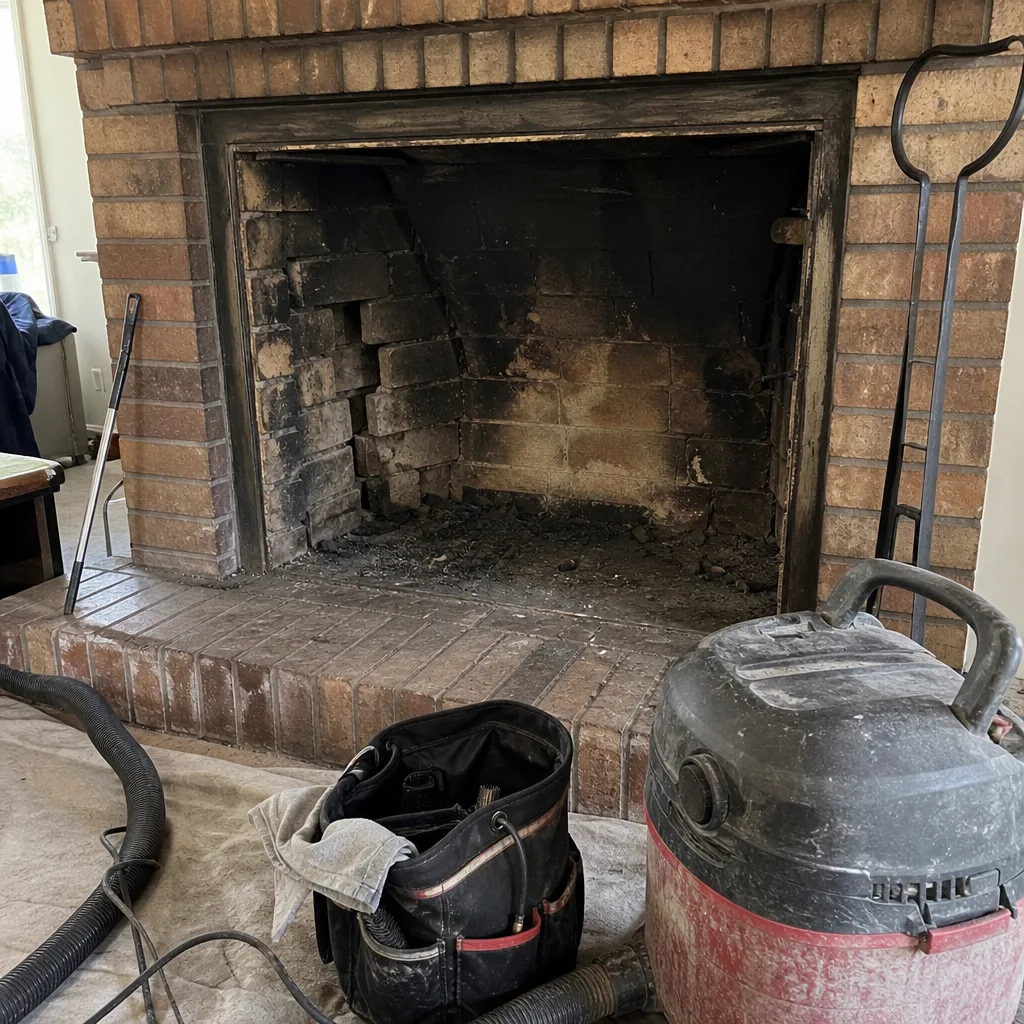 Before
 After
 Before
 After
When to Call a Professional
Call us when you haven’t had the chimney inspected in more than a year, when you’ve recently bought a home in Kaysville and don’t know the chimney’s history, or when you’ve noticed any of the red flags above. Call us when your flue pulls poorly on a cold, still day, when you see staining on the chimney chase, when the cap is dented or missing, or when you smell smoke in the house with the damper open. If you’ve had a chimney fire, even a small one, call before you light another fire. We answer 24/7. Chimney Sweep Kaysville offers free estimates in Kaysville; call (844) 759-1416, and we’ll schedule an inspection before we recommend anything. Fast dispatch from 7am to 7pm, Sunday through Friday.
Frequently Asked Questions
Most chimney sweeps in Kaysville run a typical estimated range of about $180 to $320 depending on the flue configuration, level of deposit, and whether the roof requires special access. Inspections run separately, and a Level 2 with camera scan typically adds to the base cost. The written estimate sets the final price, and it’s free. Call (844) 759-1416 for an exact quote.
Once a year is the general rule for a home that burns regularly through the winter, and Kaysville’s long heating season means annual is not excessive. A home that burns only occasionally can sometimes go longer, but even then an annual inspection is worth doing so a hidden problem doesn’t wait two seasons. Call (844) 759-1416 for an inspection and we’ll tell you honestly what the system needs.
Creosote builds through three stages. Stage 3, the glazed fuel, doesn’t brush out and is what causes chimney fires. A skipped sweep also means a developing problem, like a cracked tile or a failed crown, goes undetected, and a liner crack or a crown failure becomes a much larger repair. Call (844) 759-1416 to schedule before the next burn season.
A liner replacement is justified when the camera shows a crack, a joint failure, or a corroded connection that means combustion gases can escape. It’s not justified without that evidence. Ask to see the camera footage before you decide. Our inspection is offered as a standalone service for exactly this reason, so you can get the answer without being pressured into the repair. Call (844) 759-1416 to book an inspection.
Often yes. Most interior flues can be swept from the firebox with the right rod and brush setup, and with HEPA extraction running throughout, there’s no dust left behind. Some configurations, particularly steep or irregular chimney chases and liner systems with specific appliance connections, are better accessed from the roof. The technician decides based on the inspection. Call (844) 759-1416 to schedule a visit.
A Level 1 is a visual inspection of accessible parts of the chimney. A Level 2 adds a camera scan of the flue interior and inspection of accessible chase, attic, and crawlspace areas, and it’s the right level for a new home purchase or a change in the system. A Level 3 involves removing building materials to reach concealed areas, and it’s planned case by case. If your chimney history is unknown, ask for Level 2. Call (844) 759-1416.
The Bottom Line
A chimney cleaning in Kaysville is a diagnostic process, not a brush-and-go job. The right sweep inspects first, uses the correct tooling for your liner material, extracts debris with HEPA-rated equipment, and reports what it found with photos or video. Kaysville’s winter inversions work the system hard, and creosote at Stage 3 is the risk that a clean-looking flue can hide. If any red flag shows up, stop burning and get an inspection before lighting another fire. Our technicians have up to 12 years of experience, and we say plainly when work can wait.
Contact
If you’re due for a sweep, or you’re not sure, call us and we’ll schedule an inspection before we recommend anything. We answer 24/7. Fast dispatch from 7am to 7pm, Sunday through Friday. Call (844) 759-1416 for a free estimate from the team at Chimney Sweep Kaysville.
Written by the team at Chimney Sweep Kaysville.