
Last updated November 24, 2026
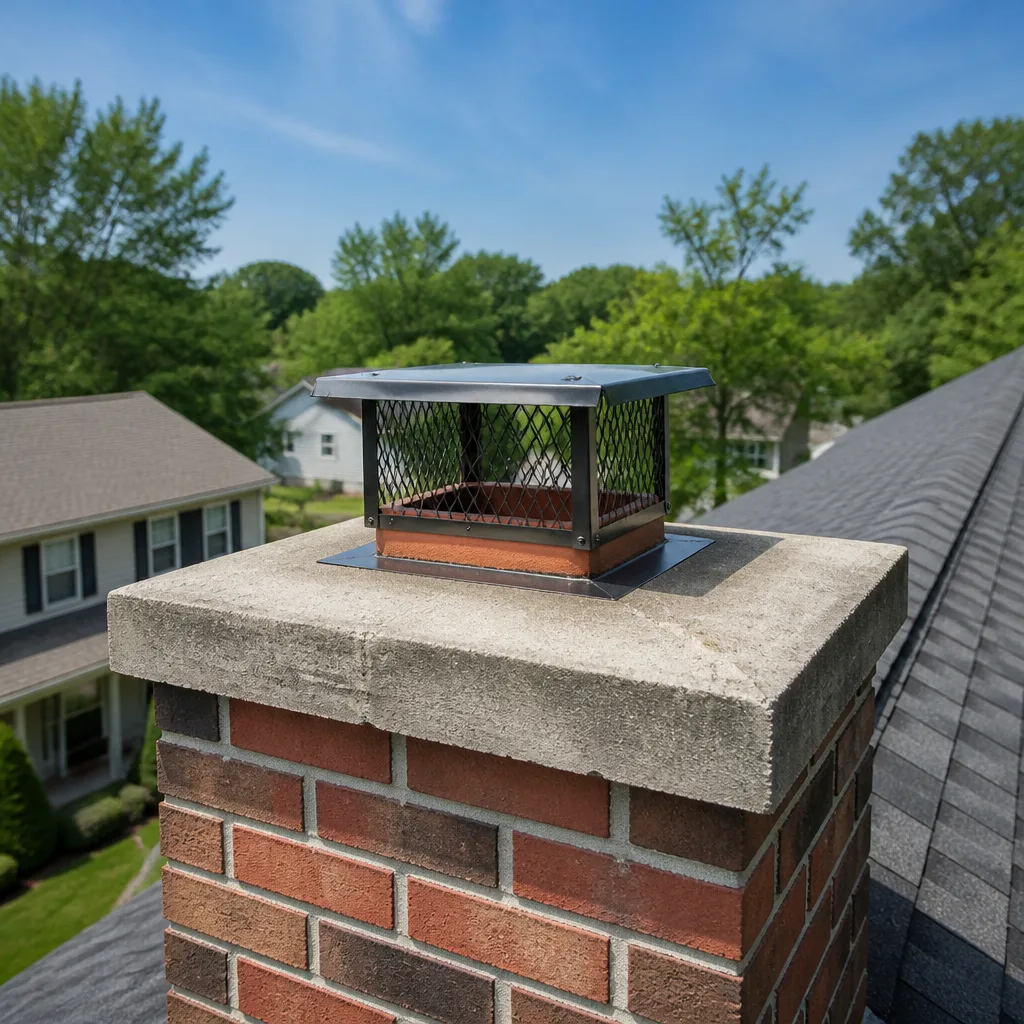 Sweep & inspection
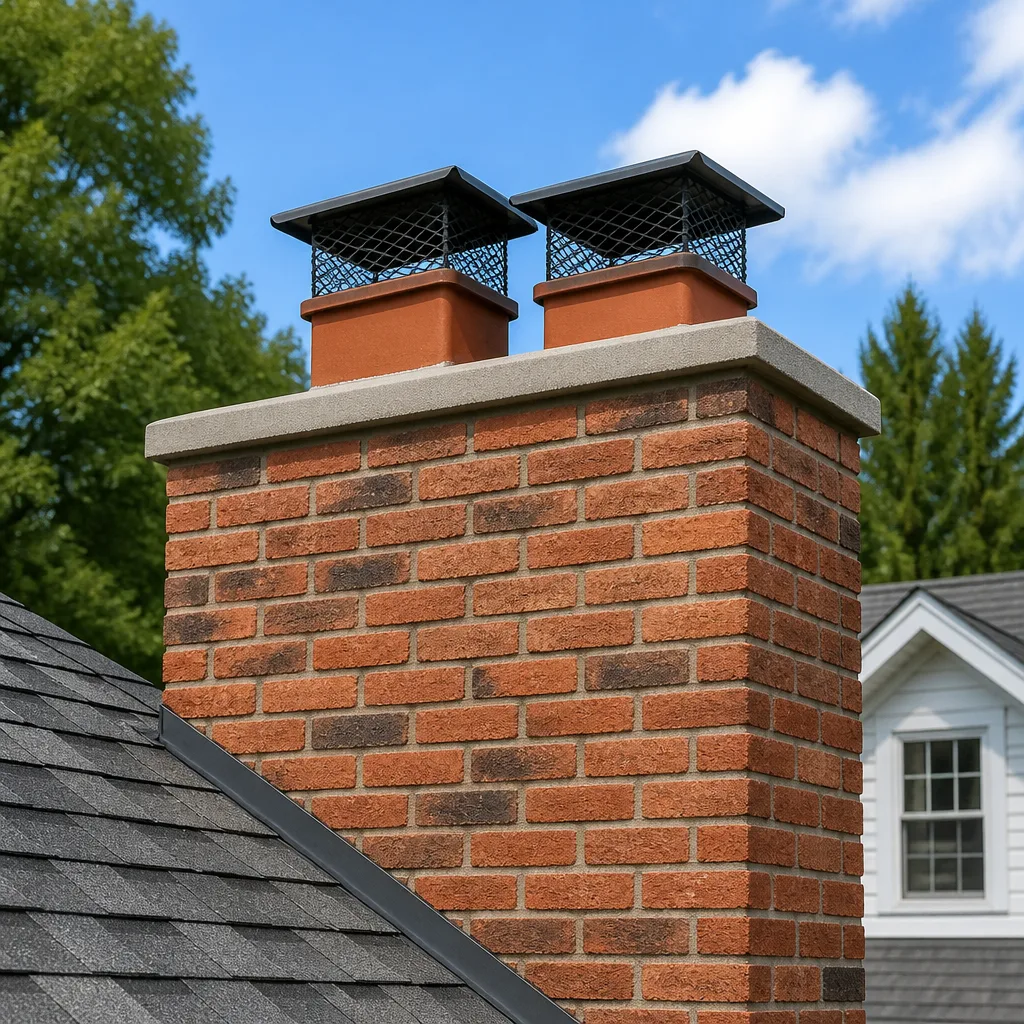 Caps & crowns
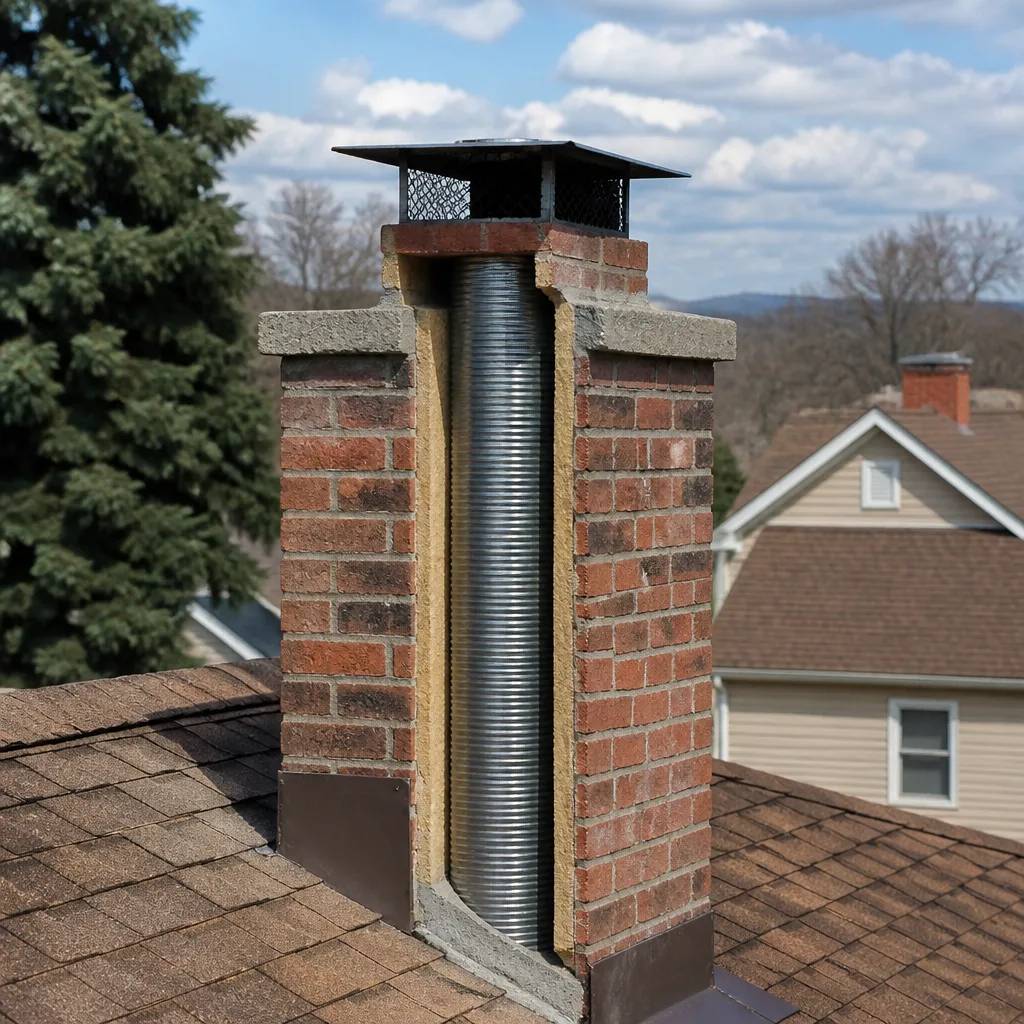 Flue relining
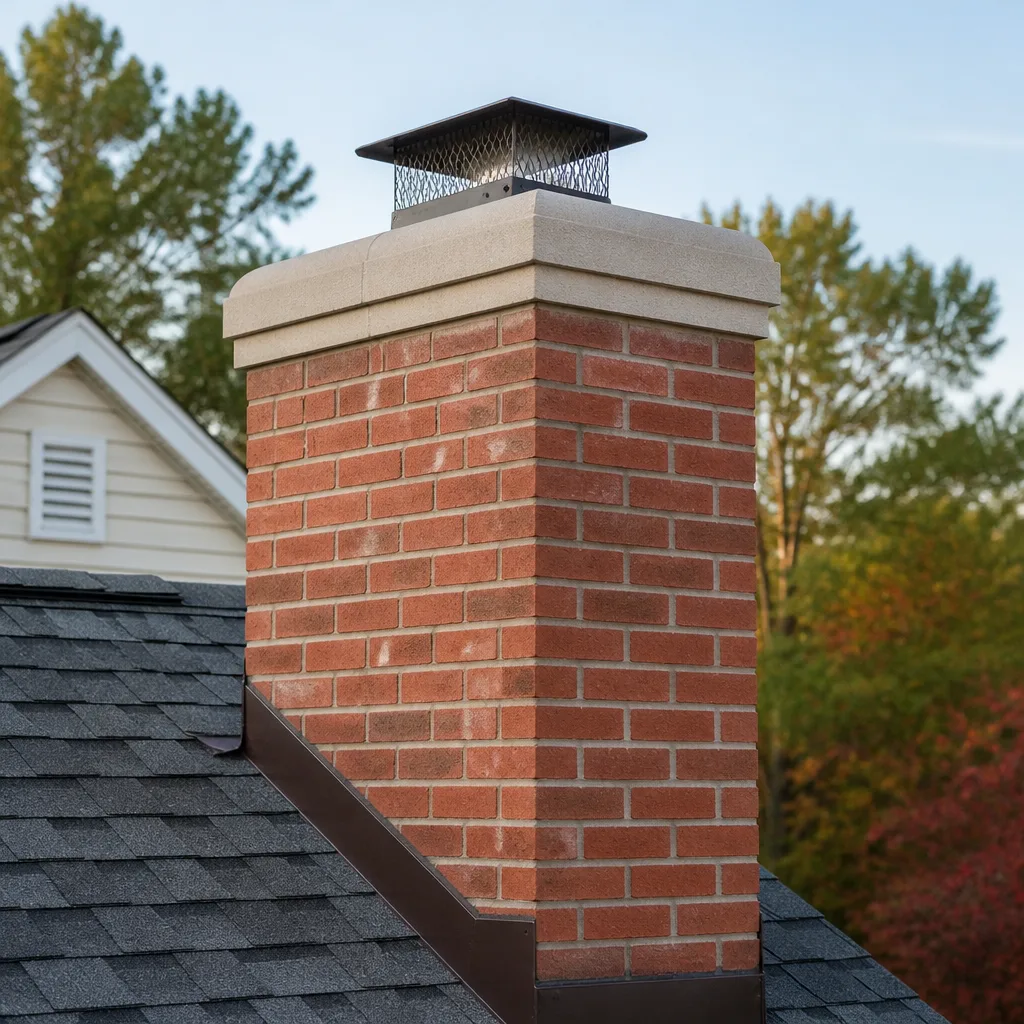 Masonry repair
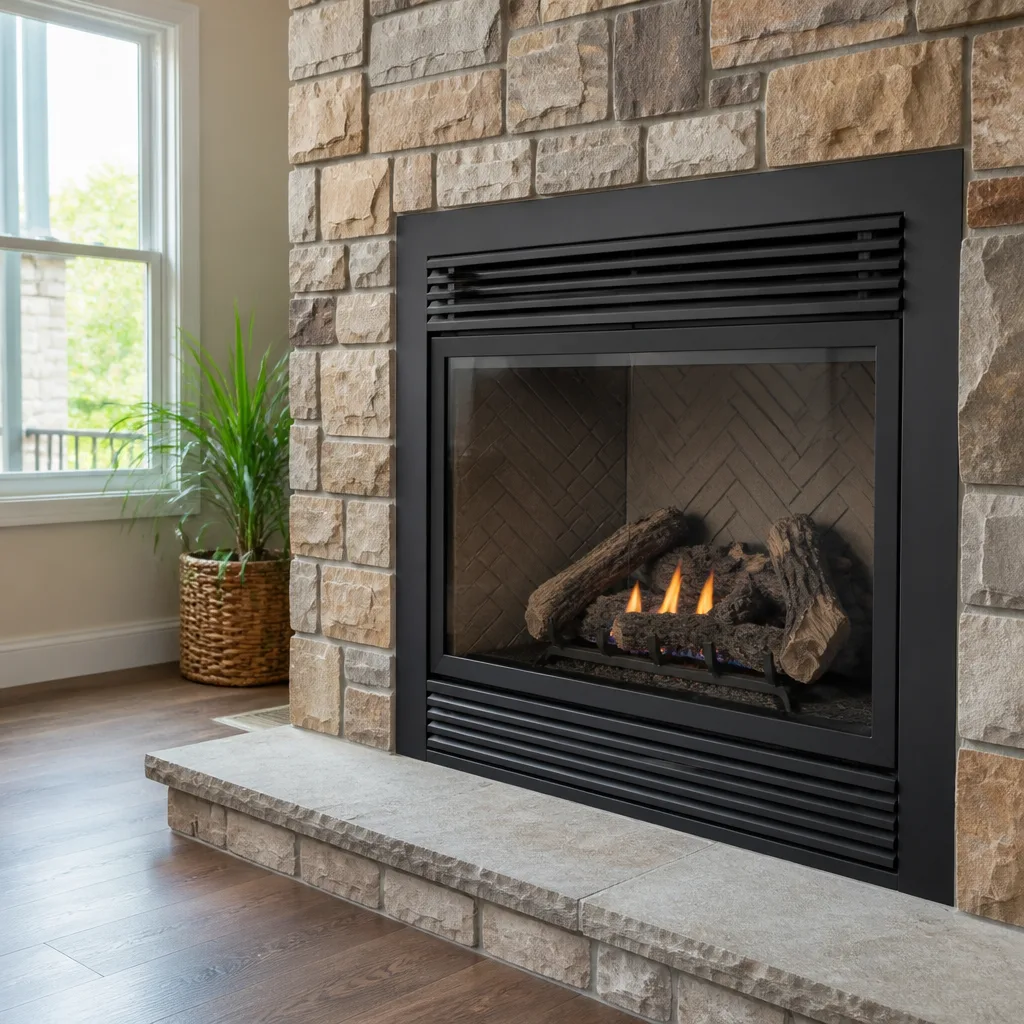 Gas fireplace service
Level 1 sweep and inspection to the NFPA 211 annual standard - flue, crown, cap, and flashing checked and photographed
Chimney sweep logs do not sweep chimneys. They loosen some creosote - which then falls where a brush and vacuum still have to collect it.
How to Hire a Chimney Cleaning Contractor in Kaysville: A Step-by-Step Guide
There’s no Utah state license required to call yourself a chimney sweep. That single fact should change how you approach every contractor conversation, because it means the title on the business card proves nothing about training, equipment, or insurance. In a trade where the work happens inside a flue you’ll never see, the burden of vetting falls on you, the homeowner. We’re writing this guide because we’ve watched too many Kaysville homeowners hand over money for a “sweep” that was really just a sales visit. What follows is a concrete process: how to check credentials that actually exist, which questions expose a specialist from a generalist, how to read an estimate line by line, and the local Davis County details that affect permits and follow-up work.
Quick Answer
To hire a chimney cleaning contractor in Kaysville, verify third-party credentials (CSIA and NFI) independently, confirm general liability and workers’ compensation insurance, ask what equipment they use for both sweeping and inspection, and get a written estimate with itemized line items before anyone starts work. Insist on a camera inspection as part of the process, and treat any contractor who skips it or refuses to show you the footage as a red flag. The cheapest bid usually reflects the thinnest scope, not the best value.
Styles & brands we work with
- Sweep & inspection
- Caps & crowns
- Flue relining
- Masonry repair
- Gas fireplace service
Table of Contents
- Why Utah’s Unregulated Chimney Trade Changes Your Approach
- What CSIA and NFI Credentials Actually Certify (And How to Verify Them)
- The Five Questions to Ask Before Scheduling a Sweep
- How to Read a Chimney Service Estimate
- Why a Camera Inspection Belongs in the Hiring Conversation
- Davis County Factors: Permits, HOA Rules, and Service Radius
- Scam Signals and the “Free Inspection” Trap
- What a Proper Sweep and Inspection Looks Like
Why Utah’s Unregulated Chimney Trade Changes Your Approach
Utah does not require a state-issued license to perform chimney sweeping, and no state agency verifies the training or insurance status of a person who shows up with a brush and a shop vac. That’s a meaningful gap. In licensed trades like electrical or plumbing, the state acts as a filter before anyone reaches your door. In chimney work, the filter is voluntary, and it lives almost entirely in third-party certification programs and the contractor’s own choices. That means the certifications a Kaysville sweep holds are a signal you have to actively look for, because nothing forces them to be there.
What does exist in Kaysville is a real housing stock of older homes, many with masonry chimneys built before modern standards for liner clearance, cap design, and crown drainage. Homeowners who recently purchased a home often inherit a chimney that has never been inspected with a camera, only swept from above. That combination of older construction and an unregulated trade is what makes a vetting process valuable. The point is not to distrust every sweep; it’s to know what separates a technician working to a recognized standard from someone filling a slow calendar week.
A practical first step: before you call anyone, decide what you’re hiring for. A routine cleaning is a specific, well-defined task. A diagnostic inspection is a different service. Confusing the two is the largest source of bad estimates in Kaysville, because a sweep quoted over the phone without seeing the flue is a price for a guess. A real contractor will describe the difference and quote based on what they actually find. If you’re ready to see what that process looks like in practice, you can Chimney Sweep Kaysville or keep reading to know what to ask first.
One more thing worth naming: chimney work is not a place to accept “we do this all the time” as a credential. A franchise-wrap and a magnetic sign are not training. The rest of this guide is about replacing trust with evidence.
What CSIA and NFI Credentials Actually Certify (And How to Verify Them)
The two credential letters you’ll see on a chimney contractor’s materials are CSIA and NFI, and they mean different things. Knowing both, and verifying both, is the single most useful vetting action in this guide.
The CSIA Certified Chimney Sweep credential is issued by the Chimney Safety Institute of America. It’s an individual certification, not a company license, and it verifies that the named technician passed a written exam covering chimney and vent construction, inspection standards, and sweeping methods, and that they’ve taken continuing education and signed the CSIA code of ethics. You can verify an individual sweep by name in the CSIA’s public directory, and you should. A company that advertises “CSIA certified” but can’t tell you which of its technicians holds the certification has told you something useful.
The NFI (National Fireplace Institute) credential is the fireplace-side counterpart. NFI certifies technicians by specialization, and it’s the credential to look for when the work involves gas fireplaces, inserts, or installations rather than just sweeping. If your home has a gas log set or a fireplace insert, ask specifically whether the technician holds the corresponding NFI certification.
Here’s how to verify in three steps:
- Ask for the technician’s full name and credential number. A certified sweep keeps this on file and won’t hesitate.
- Look the name up in the issuing organization’s public directory yourself. Ask the contractor which directory to use, but confirm independently. Don’t accept a laminated card or a screenshot.
- Ask what insurance the company carries. General liability protects your house from damage during the work; workers’ compensation protects you if a technician is injured on your property. Request a certificate of insurance and confirm the dates are current.
A contractor with verifiable credentials and real insurance has skin in the game. A contractor who dodges the verification step is telling you exactly how they’d handle a problem after the fact. In our experience, that one conversation filters out most of the noise.
The Five Questions to Ask Before Scheduling a Sweep
A licensed generalist with a brush can sweep a chimney, just like a generalist can change your oil. But the questions that separate a specialist from someone filling a slow day are not about the brush. They’re about whether the person on the phone understands the full system: flue, liner, cap, crown, firebox, damper, and how they connect.
Ask these five questions on the phone before you schedule. Listen for answers that describe process, not just price.
- “What kind of inspection will you do, and will I get a report?” A specialist distinguishes a Level 1 visual inspection from a Level 2 camera inspection or a Level 3 inspection requiring access to concealed areas. They’ll tell you which situation calls for which. “We’ll take a look” is not an answer; ask for the inspection level in writing.
- “What equipment do you use for the sweep, and how do you contain the dust?” A professional sweep works with a HEPA vacuum and contained work area, not a shop vac and a plastic tarp. If dust control isn’t part of the conversation, that sweep will end with a mess on your floor and dust in your HVAC.
- “Will you show me the camera footage during the inspection?” The answer should be an immediate yes on a screen you can see, not a report handed to you later. A contractor with footage will show it.
- “What’s your range of service, and can you come back for a follow-up?” Look for a defined service area in Davis County and a clear answer on follow-up visits. A sweep who’s only in town for the day can’t return to address a question about what they found.
- “Do you work with a written estimate before starting?” Any competent contractor describes the job and price in writing before beginning work. A verbal quote that becomes a bigger bill after the fact is a warning sign, not a shortcut.
If you get through these five and the answers are specific, you’re closer to a good hire than most Kaysville homeowners get before signing. The purpose isn’t to trap anyone; it’s to hear how a specialist thinks. The technicians we connect you with are trained to answer these without hesitation, and a routine chimney sweep is a good way to open the conversation.
How to Read a Chimney Service Estimate
A written estimate should let you compare apples to apples. Most don’t, because vague descriptions are a negotiating tactic that leaves room to expand the scope after the work starts. The way to read an estimate is to check for specific line items and call out anything that could mean anything later. Here’s what a professional estimate should include, in line-item form:
- The scope of the sweep itself: which chimney flue, whether it’s masonry or prefab, and what’s being removed.
- The inspection level and whether it’s included: if inspection isn’t included in the sweep price, it should be a separate, clearly-priced line.
- Any camera or video inspection fee: if it’s included, say so. If it’s extra, price it. It should never be “to be determined after the sweep.”
- Repairs, itemized separately: a crown repair, a cap installation, a damper fix, or liner work should each appear with a specific description and price, not lumped into a single “repairs” line.
- The stated total, with the note that it’s an estimate subject to what’s found. That’s honest and it’s normal. A fixed price before the inspection is either a guess or a number that will move.
Watch for these vague phrases that should be followed by a specific number or scope:
- “As needed” with no criteria for what makes it needed.
- “Included in the inspection” without saying what the inspection covers.
- “Additional repairs quoted on site” without a written scope before starting.
- “Per the technician’s recommendation” as the only description of work.
On the cost side, a typical chimney sweep with an inspection in the Kaysville market usually lands in a defined range, and the written estimate sets the final price. We don’t quote a phone number and call it a price, and we don’t use a low opening figure to get in the door. You can see how that estimate process looks alongside the rest of the full-service scope, including fireplace repair, when you request a quote.
Two more things to check on the paperwork: confirm the insurance certificate matches the name on the estimate, and confirm the estimate names the specific work being quoted in writing. If the estimate lists a brand, know what the brand is for. We install DuraFlex flexible liners, apply HeatShield ceramic resurfacing, and work with Gelco and Olympia Chimney product lines because those are the materials trained chimney contractors actually source, not retail shelf goods. An estimate that names a product and explains why it’s specified is an estimate written by someone who knows the trade.
Why a Camera Inspection Belongs in the Hiring Conversation
A camera inspection is the difference between knowing the condition of your flue and hoping about it. A brush can’t show you a cracked tile liner, a separated joint, offset masonry, or a nest lodged where the flue changes direction. A camera can. That’s why the question “will you show me the footage?” belongs in the first phone call, and why a contractor who skips the camera isn’t just skipping a step; they’re skipping the part that could justify a repair you can’t verify any other way.
A proper camera inspection walks the video through the flue from the firebox up, and the technician narrates what’s on the screen: tile integrity, creosote accumulation, gaps, and the condition of the firebox and damper. You should see it live, or you should get a report with images that match what’s actually in your chimney. “We found a cracked liner, that’ll be several thousand” without footage is a claim, not a diagnosis. The whole reason a diagnostic-first approach matters is that it makes the recommendation something you can see for yourself.
There’s a safety consequence to skipping the camera, and it’s specific. A cracked or deteriorated flue liner allows combustion gases, including carbon monoxide, to migrate into the living space rather than up and out. That risk is structural, not hypothetical, and it’s the reason liner integrity is the first thing a camera inspection checks. If a contractor tells you a sweep alone is sufficient, ask how they know. Read about how to plan a chimney repair that follows a camera finding if you already suspect a problem.
The honest version: a camera inspection can just as easily show your flue is sound and your repair can wait. That’s a reason to have one, not a reason to avoid it. When the footage is clean, you get a baseline you can measure against next year. When it isn’t, you get a repair recommendation you can verify before spending. We inspect before we recommend, and the inspection is available as its own service precisely because it stands alone on its own value.
Davis County Factors: Permits, HOA Rules, and Service Radius
Chimney work in Kaysville comes with a few local layers that aren’t always part of the conversation. The first is permitting. Most cities require a permit for structural masonry work and for certain liner replacements, and that requirement lives with the municipal building department rather than the state. Before a large repair goes forward, ask the contractor who is pulling the permit and whether the work will be inspected. A contractor who plans around a required permit is a bad sign; one who raises the question first is a good one. If you’re unsure whether your project needs a permit, call Kaysville’s building department and ask directly, using the scope the contractor wrote down.
The second layer is HOA rules. Many subdivisions in Kaysville have covenants that restrict chimney caps, exterior masonry finishes, or visible changes to the roofline. A cap installation that changes the profile of your chimney, or a new crown in a different material, can trip a covenant you didn’t know you had. Before work starts on anything visible from the street, check the HOA’s architectural guidelines. A contractor who does a lot of work in Davis County will ask you about HOA approval before installing, not after.
The third is service radius, and it affects you after the job as much as during it. A contractor who works a broad regional territory may take your job one week and be an hour’s drive away when you call with a follow-up question six months later. A defined, local service area means follow-up visits, warranty questions, and re-inspections are practical. When you’re weighing estimates in Kaysville, ask how the contractor accepts follow-up calls and what the plan is if a joint or cap needs a second look after the season. That answer is a genuine differentiator between a company that serves the area and one that drives through it.
Scam Signals and the “Free Inspection” Trap
The most common bait in chimney work is the “free inspection.” Read what’s actually being offered. A free inspection can be a legitimate way to meet a contractor and assess your chimney. But it can also be a sales hook, where the “inspection” is a five-minute look designed to find something expensive, with a technician whose only task is to convert. The difference is measurable: does the free inspection include camera footage, a written report, and answers to your questions? If not, the price of the free inspection is the pressure to buy afterwards.
A handful of signals, gathered together, should send you looking elsewhere:
Pressure to sign today. A chimney problem that can’t wait until tomorrow for a second opinion is rare. A contractor who leans on “if we don’t fix this now” is selling urgency, not diagnosing risk.
A recommendation with no evidence you can see. A liner or crown replacement quote with no footage and no report is a claim. The camera is not optional to a professional diagnosis, and a contractor can show you what they’re seeing.
A price that arrives only after the work has started. Some contractors quote low, begin work, then “discover” the real problem. The way to close this door is a written estimate and an agreement that any additional work gets a separate written quote before it begins.
No insurance certificate, no credential you can verify. Ask for both and confirm them independently.
A professional inspection can conclude that nothing needs to be done yet. That’s a valuable outcome, not a wasted call. The right answer to “do I need a new liner?” is “here’s the footage, here’s what it shows, and here’s what I’d recommend.” If the answer is a bill, you’ve learned what you’re dealing with.
What a Proper Sweep and Inspection Looks Like
Knowing the shape of a real visit helps you spot a thin one. A proper chimney sweep in Kaysville should run through a defined sequence. Here’s what to expect from a professional, and what to ask for if any step is skipped:
- Screen and protect the work area. A drop cloth and a contained zone keep soot and dust out of your living space. Ask what kind of vacuum is used; HEPA is the standard.
- Sweep the flue from the firebox or the top, per the chimney type. The technician should know the difference between a masonry flue and a prefab system before choosing the tool.
- Perform the inspection at the appropriate level. A Level 1 visual for a chimney with no known issues; a Level 2 camera inspection when there’s a change in use, a transfer of ownership, or a visible concern.
- Walk you through the findings. The technician should point out what’s on the camera, explain the condition of the flue, cap, crown, and firebox, and tell you plainly what needs attention now versus what can wait.
- Offer a written report and any repair quote in writing. Not a number recited at the door.
Cap and crown work is where a sweep-only company and a full-service one diverge. A chimney cap is the most common defense against water intrusion, and a crown is the top surface that routes water away from the masonry. If either is damaged, water gets into the flue and into the structure, and repeated freeze-thaw in a Utah winter widens the damage. That’s why cap and crown inspection belongs in the same visit as the sweep, and why the contractor who only sweeps will hand you a separate call later. One crew, every layer, from the firebox up to the cap, is the way to keep the system whole.
Common Mistakes to Avoid
- Hiring on price alone. The lowest bid usually reflects the thinnest scope. A quote that skips the camera inspection and the written report isn’t cheaper; it’s a shorter list of things the contractor will stand behind.
- Skipping the credential verification. “CSIA certified” on a website means nothing until you’ve looked the technician up in the public directory yourself. Ask for a name and a number and confirm independently.
- Accepting a phone quote as a price. A chimney quote over the phone is a guess. Insist on a written estimate after an inspection, with line items.
- Ignoring the HOA covenant before cap or crown work. Kaysville subdivisions often restrict visible changes to the roofline. Check your architectural guidelines before agreeing to a cap style, and ask the contractor to account for it.
- Forgetting the permit question. Structural work and some liner replacements need a municipal permit. Ask who pulls it and whether the work will be inspected by the city.
- Believing a camera inspection will always lead to a repair bill. The footage can show a sound flue and work that can safely wait. Focused on evidence, not pressure, the inspection is what lets you decide.
- Hiring a contractor with no follow-up presence. A regional operator may not be back in Kaysville for months. Confirm how follow-up visits and warranty questions get handled before you book.
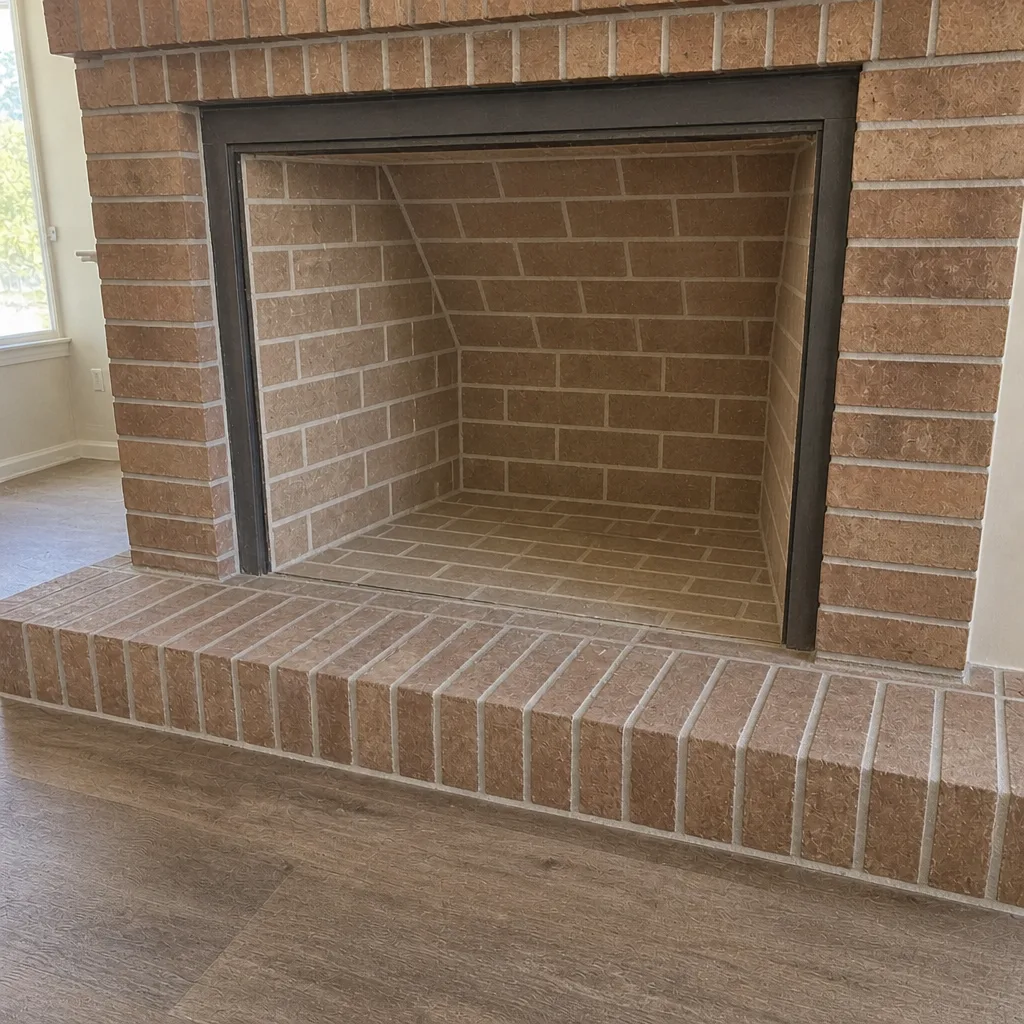
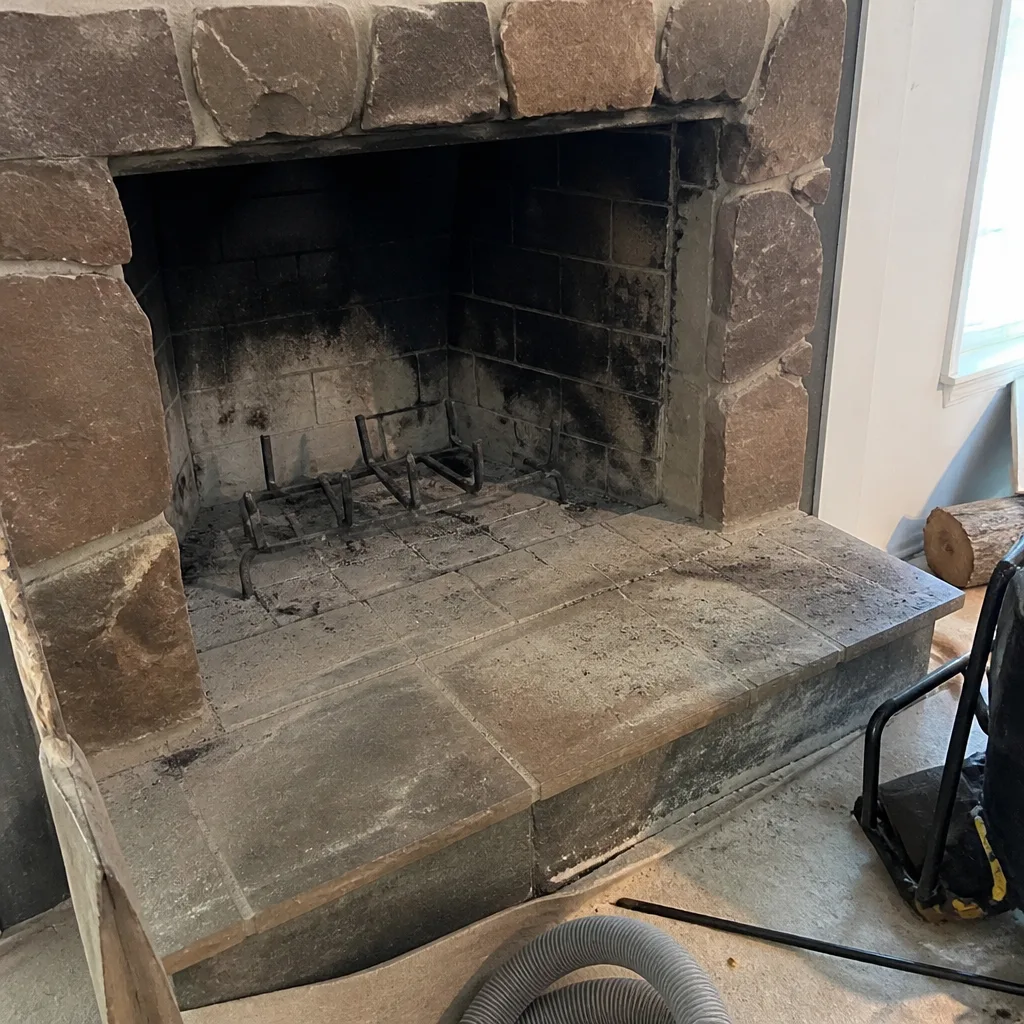
See the difference
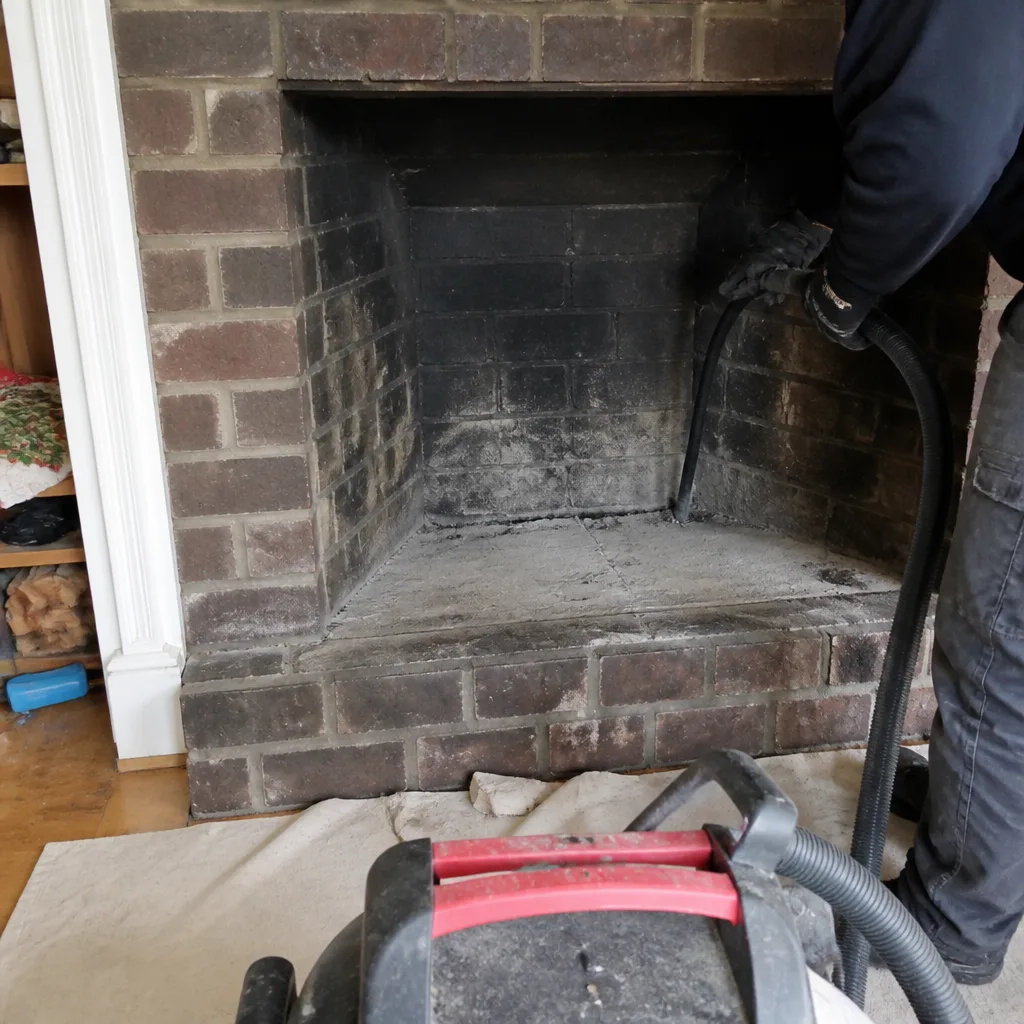 Before
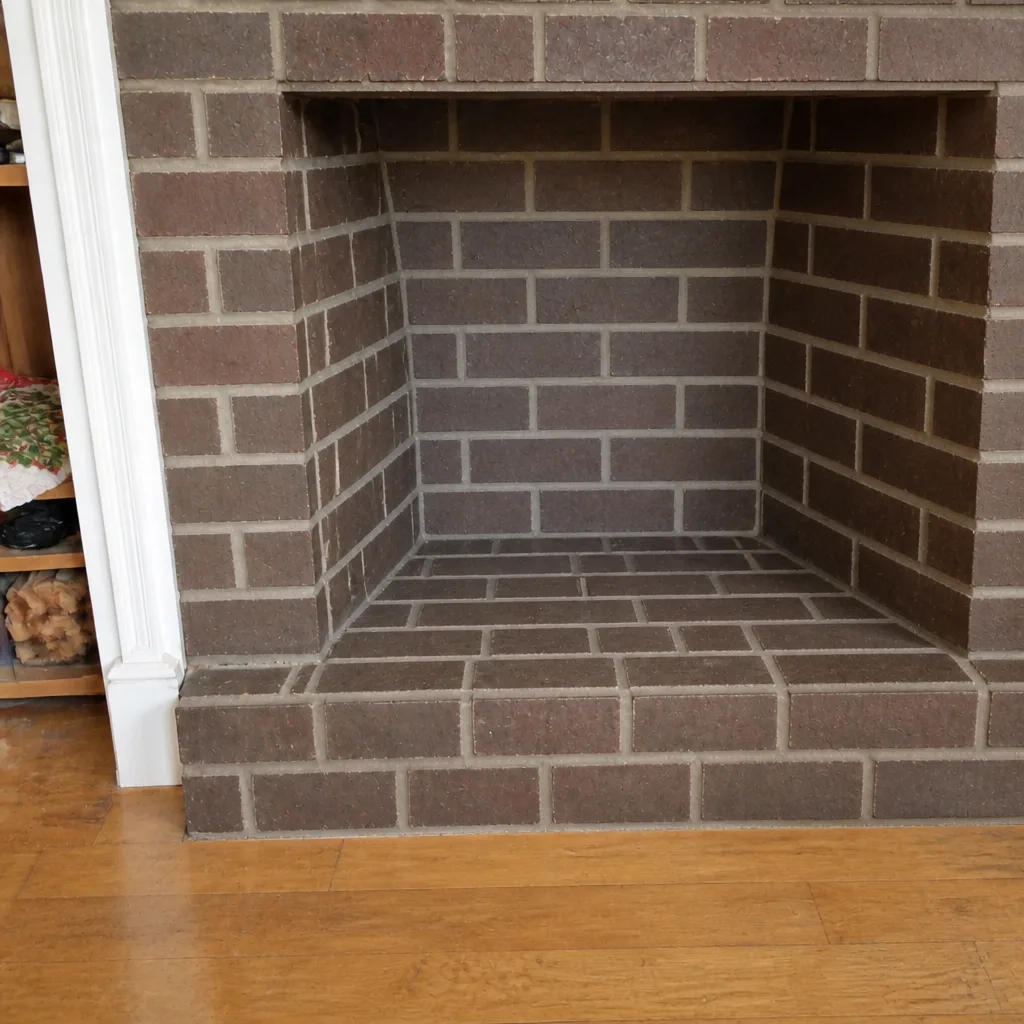 After
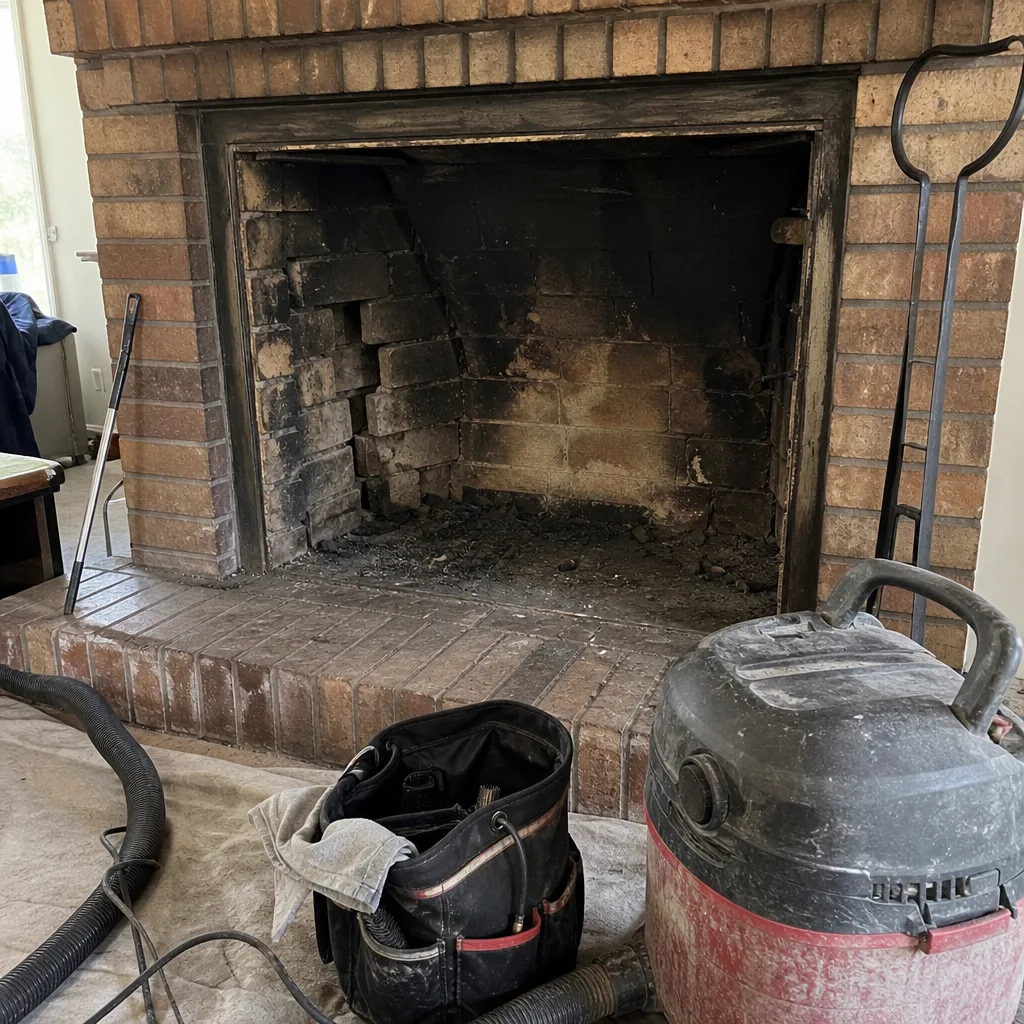 Before
 After
 Before
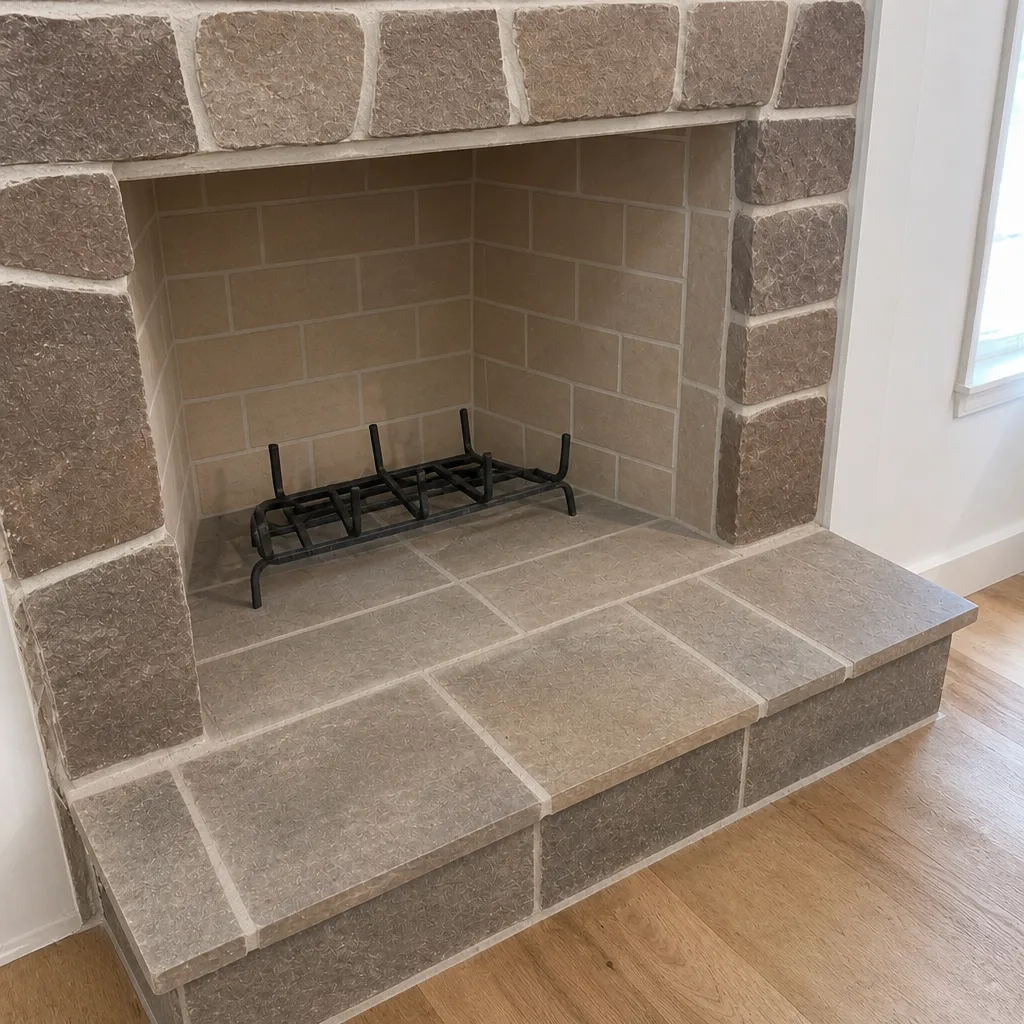 After
When to Call a Professional
Some situations make a professional call the clear next step. If you’ve moved into a Kaysville home and don’t know when the chimney was last inspected, start with a camera inspection before the first fire of the season. If you notice visible deterioration on the cap or crown, a black stain on exterior masonry, or water inside the firebox, that’s moisture getting past the top of the system and it’s worth a look before winter. If you’ve had a chimney fire, even a small one you put out yourself, the flue should be inspected for damage before it’s used again; a chimney fire can crack a liner without any visible sign from inside the house. If you smell a draft or smoke back into the room when you light the fire, that’s a venting issue worth diagnosing. And if you have a gas appliance or fireplace insert, an inspection is the right first move. Chimney Sweep Kaysville offers free estimates in Kaysville; call (844) 759-1416. We answer 24/7. Fast dispatch, 7am-7pm, Sunday through Friday.
Frequently Asked Questions
Ask for the technician’s full name and credential number, then look it up yourself in the CSIA public directory. Certification is issued to individuals, not companies, so a company’s marketing doesn’t prove which technician holds the credential. Confirm the insurance certificate separately and check that the dates are current. Call (844) 759-1416 for an exact quote and to ask what credentials and insurance our connected technicians hold; estimates are free.
A sweep cleans the flue; an inspection tells you its condition, and only a camera can show you cracks, separated joints, and offset masonry inside the chimney. A Level 2 camera inspection is a normal part of a thorough diagnosis and should come with footage you can see. If a contractor won’t show you the camera, they’re skipping the part that justifies a repair recommendation. Call (844) 759-1416 to schedule an inspection with footage included.
Most fireplaces used regularly should be swept and inspected annually, near the end of the burning season or before the next one. The right interval depends on how much you burn, the moisture content of the wood, and whether the flue is masonry or prefab. A camera inspection gives you a real baseline rather than a guess, so you know how fast creosote is accumulating in your specific chimney. Call (844) 759-1416 to book a sweep and set a schedule; estimates are free.
Creosote builds up and becomes combustible, which raises chimney fire risk, and a deteriorated liner can allow combustion gases into your living space; a cracked flue is a structural problem, not an inconvenience. The camera inspection is how you find out which of those you’re dealing with before it becomes urgent. Call (844) 759-1416 to schedule an inspection; estimates are free.
Structural masonry work and some liner replacements typically require a permit from the Kaysville building department, so confirm the scope and ask who pulls it. Cap and crown changes that alter the roofline may need HOA architectural approval under your subdivision’s covenants. Ask your contractor to account for both before work begins. Call (844) 759-1416 to talk through your project and get a free estimate.
Yes. An inspection is a standalone service and should be available on its own, not bundled as an entry point to a repair sale. A good inspection tells you the condition of the flue, cap, crown, and firebox and lets you decide what to do next, including nothing. Call (844) 759-1416 to book one; estimates are free.
The Bottom Line
Hiring a chimney contractor in Kaysville is a vetting job because the trade doesn’t do the vetting for you. Verify the CSIA or NFI credential yourself, confirm insurance, and ask the five questions that reveal a specialist from a generalist. Insist on a camera inspection with footage you can see, and read the estimate for line items rather than lump sums. Check the permit and HOA questions before structural or cap work goes forward, and confirm the contractor is close enough to come back. Every recommendation should be something you can see for yourself, and a clean inspection that says “this can wait” is a real result. The full process is what protects you from paying for work you can’t verify, and it’s the reason the estimate should always come before the call to action.
If you’re ready to put this process to work in Kaysville, Chimney Sweep Kaysville offers five service categories covering cleaning, inspection, cap and crown installation, fireplace repair, and chimney structural repair. Call (844) 759-1416 for a free estimate. We answer 24/7. Fast dispatch, 7am-7pm, Sunday through Friday.
Written by the team at Chimney Sweep Kaysville.