
Last updated November 24, 2026
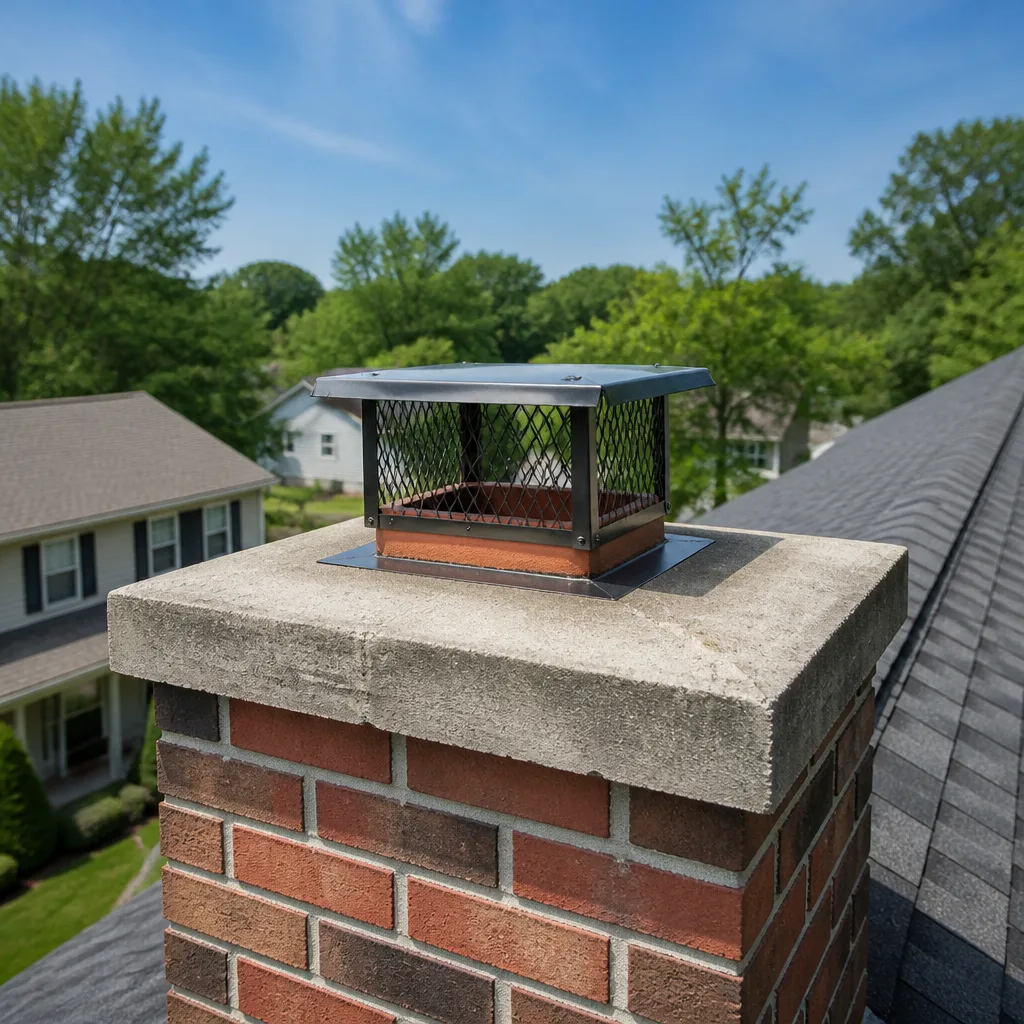 Sweep & inspection
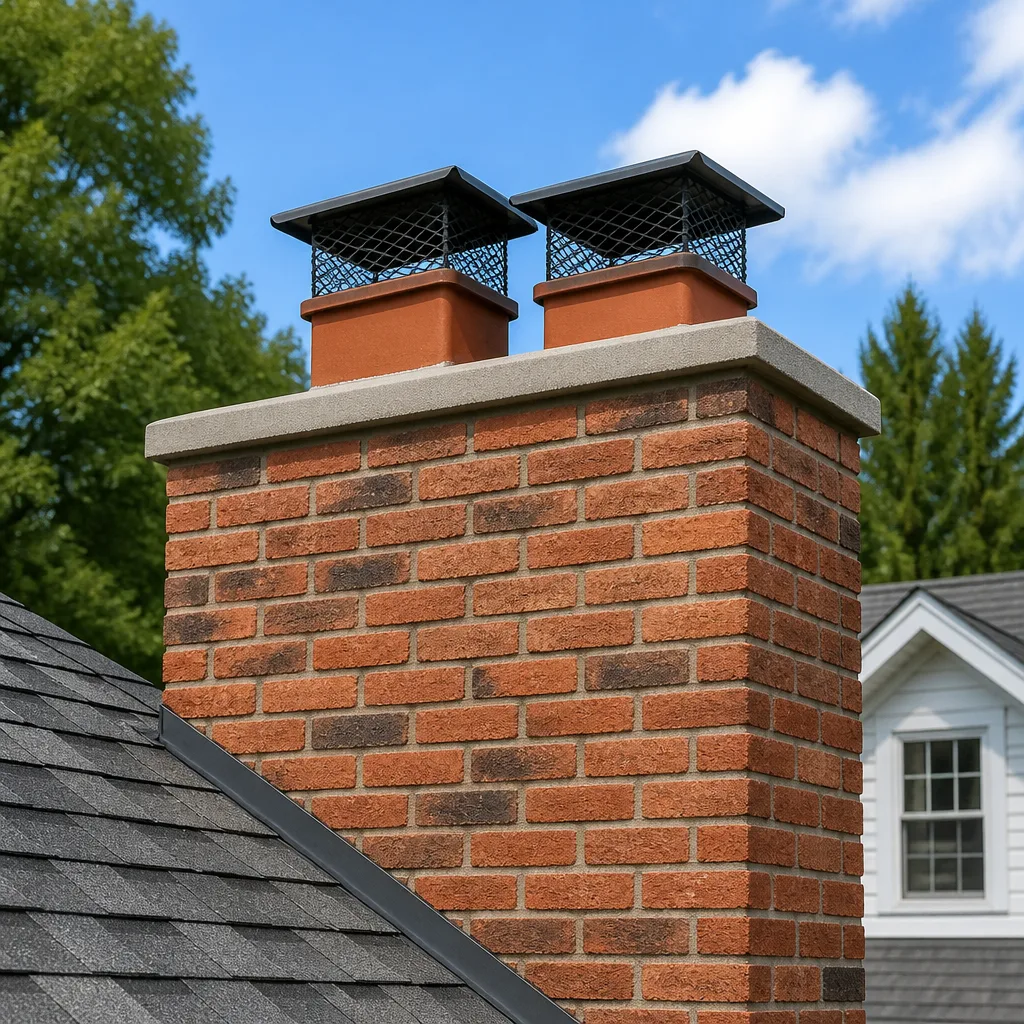 Caps & crowns
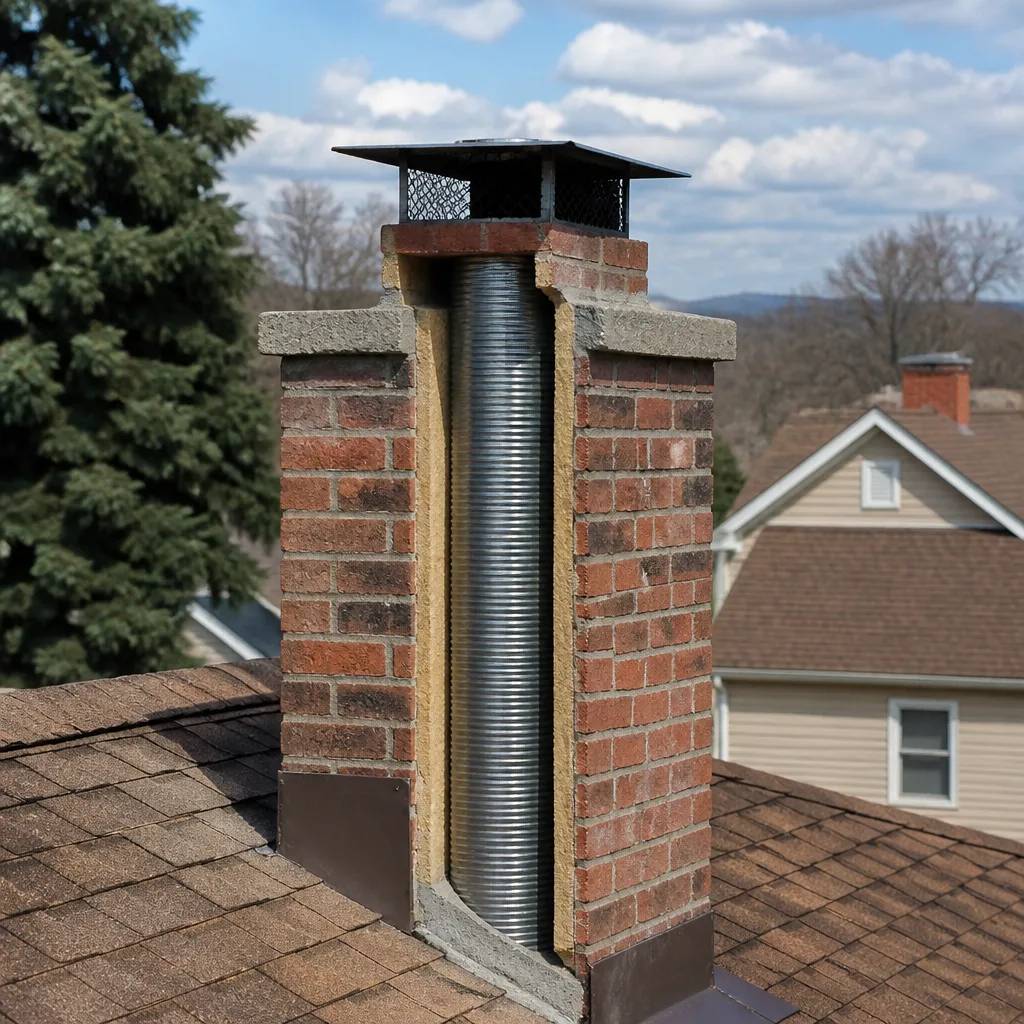 Flue relining
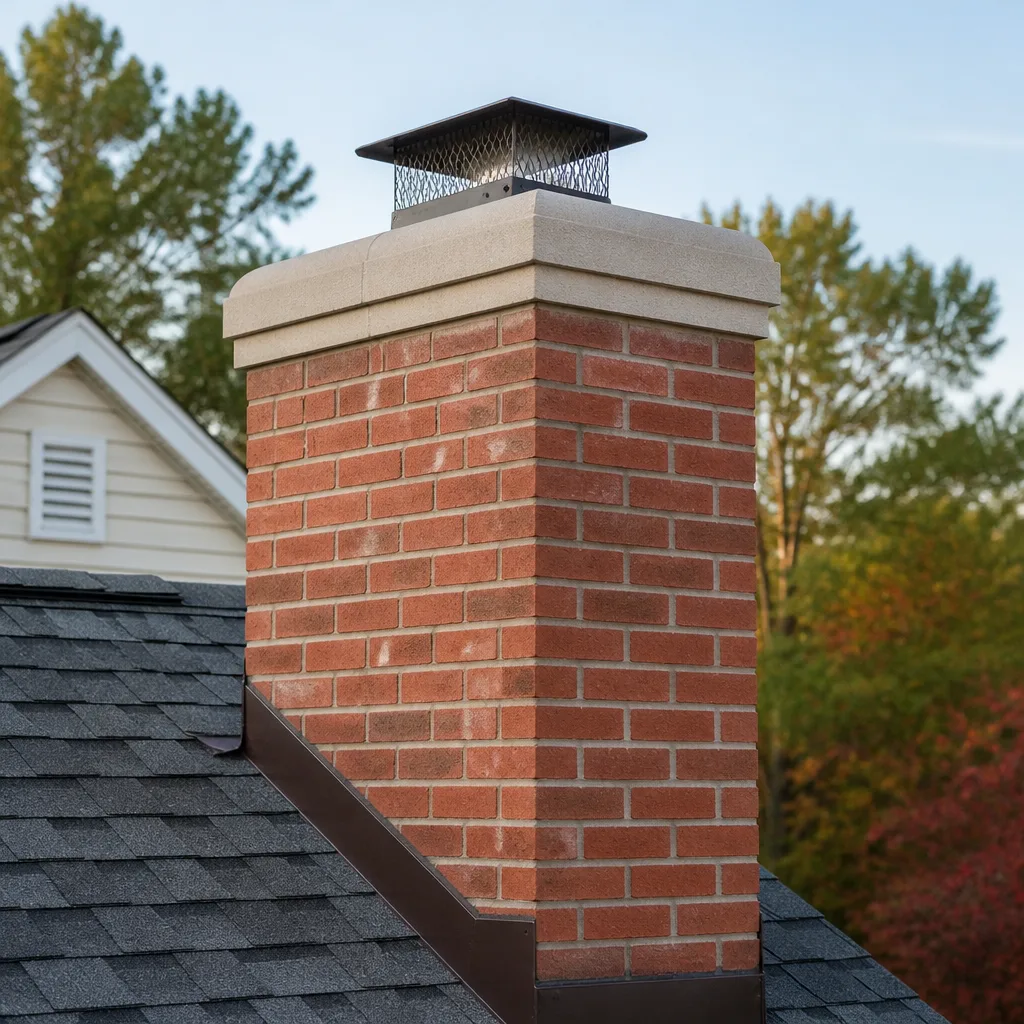 Masonry repair
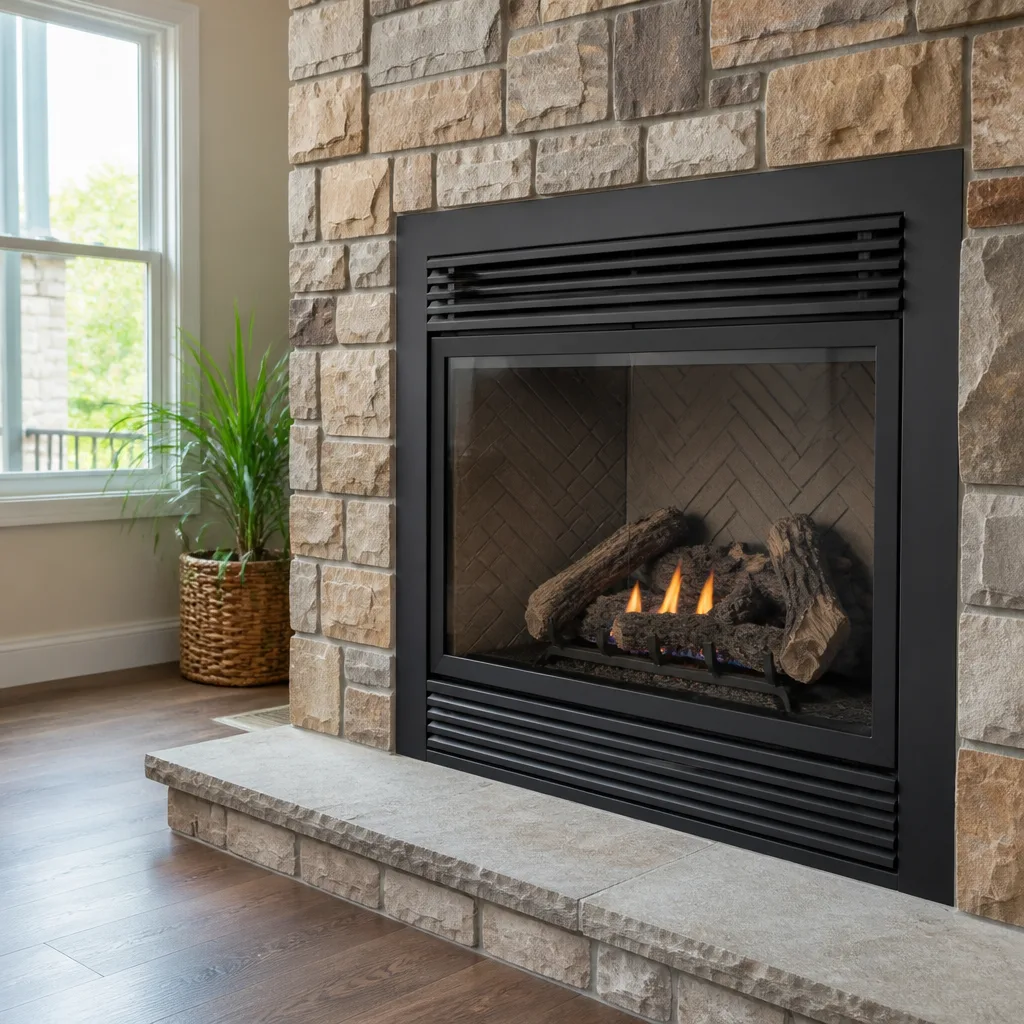 Gas fireplace service
Level 1 sweep and inspection to the NFPA 211 annual standard - flue, crown, cap, and flashing checked and photographed
Chimney sweep logs do not sweep chimneys. They loosen some creosote - which then falls where a brush and vacuum still have to collect it.
Chimney Cleaning Emergency Preparedness Guide for Kaysville Homes
A chimney fire doesn’t always sound like a roaring furnace. Sometimes it’s a low rumble and a slight pressure change, and homeowners who’ve never heard one often don’t recognize it until the liner has already cracked. That gap between what a chimney emergency looks like and what people expect is where most damage happens. In Kaysville, where cold winters mean fireplaces run hard for months, the warning signs are usually there well before anything dramatic occurs. This guide walks through the three forms a chimney fire takes, the response sequence in the first two minutes, carbon monoxide risk from backdrafting, sudden mid-winter blockages, and the post-emergency steps that protect your home and your insurance claim.
Quick Answer
If you suspect a chimney fire, get everyone out of the house, call 911, and don’t re-enter until the fire department clears you. Close the damper only if you can do it safely on your way out, because cutting the air supply slows a fire that’s still contained in the flue. After any suspected chimney fire, you need a Level 2 inspection before you relight, and you need to document everything for your insurer. Preparedness in Kaysville means knowing these steps before you need them, plus a carbon monoxide detector on every level and a sweep booked before burning season starts.
Styles & brands we work with
- Sweep & inspection
- Caps & crowns
- Flue relining
- Masonry repair
- Gas fireplace service
Table of Contents
- The Three Forms a Chimney Fire Takes
- The Step-by-Step Response Sequence for a Suspected Chimney Fire
- Carbon Monoxide Preparedness for Chimney Systems
- Sudden Blockages and Smoke Rollout Mid-Winter
- Post-Emergency Protocol: Before You Relight
- Why Kaysville Homes Face Specific Chimney Risks
- Prevention: The Annual Sweep and What It Catches
- Common Mistakes to Avoid
The Three Forms a Chimney Fire Takes
Not every chimney fire announces itself. Understanding the three distinct forms lets you match your response to what’s actually happening, because a fast-burning flue fire and a slow smoldering one call for different priorities.
1. Explosive Fast-Burn Fires
A fast-burn fire moves through accumulated creosote in seconds to minutes. You’ll hear a loud roar, a popping or cracking sound, and you may see flames or sparks shoot from the top of the chimney. The flue pipe can glow and the chimney masonry gets hot fast. This is the most visually obvious form and the one where your response needs to be immediate: evacuate, call 911, and get clear of the structure.
2. Slow Smoldering Fires
A smoldering fire burns in a low-oxygen environment and often produces little visible flame and only a low rumble. It can burn for hours, quietly cooking the liner, warping metal, and cracking masonry from the inside. Because the signs are subtle, homeowners sometimes sleep through them. The damage from a slow smoldering event can be worse than a fast burn because it goes unchecked far longer.
3. Contained Liner Events
These are fires restricted to a section of the flue liner, often where a creosote deposit has built up in a horizontal run or near a fitting. They may produce a small puff of smoke into the room and a brief flare at the chimney top, then die back. They still damage the liner, and a liner that’s been through one can allow combustion gases into your living space afterward. Any event that produced a flare, a rumble or an unusual pressure change deserves a professional inspection before the next fire.
In our experience across Kaysville, the slow smoldering form causes the most downstream problems because homeowners don’t realize they had a fire at all until a subsequent inspection finds a cracked liner.
The Step-by-Step Response Sequence for a Suspected Chimney Fire
The first two minutes matter more than anything else. This sequence applies when you suspect a chimney fire is in progress, whether you see flames or just hear something wrong.
- Get everyone out. Move people, especially children and anyone with mobility limits, outside and away from the house before you do anything else. Don’t stop to gather belongings.
- Call 911 from outside. Tell the dispatcher you suspect a chimney fire at your address. Say what you observed: flames from the top, a roar, smoke in the room, or a smell of burning. Give your address clearly and stay on the line for instructions.
- Limit the air supply only if you can do it safely. If the fire is still contained to the flue and you can close the damper on your way out without risk, close it. Cutting oxygen starves the fire. Do not go back inside to do this if you’re already out.
- If you can safely and only from outside, hose down the chimney top and roof. Do not climb onto a roof to do this. If you have a garden hose and can reach the chimney from the ground or a safe position, cool the top of the chimney. Never spray water into the flue itself; the thermal shock can crack a hot liner.
- Before the fire department leaves, ask for three things. Confirm the fire is fully out, ask whether the chimney should be inspected before use, and get the incident report number for your insurance company. Ask the crew to note what they observed about your flue and masonry. That written record matters for your claim.
- Don’t relight anything. No fire, no stove, no furnace connected to that flue until a Level 2 inspection is complete.
One note specific to Kaysville’s winter weather: if the water from fighting the fire froze on your roof or in your gutters, treat the ice as a slip hazard and mention it to your insurer when you document the damage.
Carbon Monoxide Preparedness for Chimney Systems
Carbon monoxide risk from a chimney system doesn’t require a fire. It comes from backdrafting, a blocked flue, or a cracked liner that lets combustion gases seep into living space instead of rising out the top. A gas water heater or furnace vented into the same chimney as your fireplace makes the risk higher because two appliances are sharing one flue.
Detector Placement
- Put a carbon monoxide alarm on every level of your Kaysville home, including the basement if you have one.
- Place one near each sleeping area so it wakes people up.
- Keep detectors at least a few feet from fuel-burning appliances, and mount them at breathing height or per the manufacturer’s instructions, since CO mixes fairly evenly in air.
- Test alarms monthly and replace the battery when the season turns cold, before you start burning.
Symptoms of Low-Level Exposure
Low-level carbon monoxide exposure is easy to mistake for something else. Headaches that ease when you leave the house, unexplained fatigue, dizziness, nausea and shortness of breath are the common signs. In our experience, families sometimes describe feeling “off” during the burning season and feel better at work or on a trip. If more than one person or a pet shows symptoms while indoors and improves outside, treat it as a possible CO problem, open windows, get outside, and call for help.
How Backdrafting Creates CO Risk Without a Fire
Backdrafting happens when indoor air pressure is lower than outside pressure, so combustion gases get pulled back down the chimney instead of venting out. Today’s tight modern homes with powerful exhaust fans, dryers and kitchen hoods can create that negative pressure. A blocked or deteriorated flue makes it worse. If you notice a faint draft of exhaust smell near your fireplace on a cold day, or a stuffy room when the fireplace is lit, that’s a sign to have the flue inspected before you burn again.
Sudden Blockages and Smoke Rollout Mid-Winter
Smoke rolling into the room instead of up the flue is alarming, and in a Kaysville January it usually points to a sudden blockage. Animal nests are common in the cold, since a warm chimney is an attractive place for birds and squirrels to shelter. A collapsed section of liner, a fallen cap or heavy creosote debris can also choke the flue. Whatever the cause, when smoke rolls out, put out the fire if you can do it safely and open a window or door to vent the room. Then get everyone outside and air out the house.
Once the room clears, don’t relight. A blockage that sent smoke into the room will do it again, and the same blockage is also a carbon monoxide risk if a gas appliance shares the flue. Book an inspection to find out what’s inside the flue before anyone builds another fire. A camera inspection shows you the actual obstruction, whether it’s a nest, a fallen cap or a damaged liner, so you can see the reason for any recommended fix rather than take it on faith.
If the house fills with smoke while you’re asleep, treat that like the emergency it is: get out, call 911, and let the fire department assess whether a fire started somewhere in the flue you couldn’t see. If your home is in a newer Kaysville subdivision where lots are close together, ventilate aggressively before smoke reaches neighboring units through shared walls or vents.
Post-Emergency Protocol: Before You Relight
After any chimney fire, blockage or CO event, you need a Level 2 inspection before you use the system again. A Level 2 inspection goes beyond a basic visual check: it uses a camera to examine the flue interior, checks clearances and connections, and finds damage a quick look from the firebox would miss. It also documents what the fire department may have seen.
What to Gather for Insurance
- The fire department’s incident report number and any notes they made about the flue.
- Photos of the room, the chimney exterior and the roof taken after the event.
- The Level 2 inspection report, ideally with photos or video of the flue interior.
- Any receipts for previous sweep or inspection work, since a maintenance record helps your claim.
Evaluating Contractor Recommendations Under Pressure
When a chimney has just had a fire, the pressure to act is real, and it’s also when a pushy recommendation is hardest to question. Ask for camera evidence of the damage before approving any work. If a contractor recommends a full reline, have them show you exactly where and how badly the flue is compromised. Sometimes a deteriorated flue can be restored with HeatShield ceramic resurfacing instead of a full replacement, which saves the cost and disruption of demolition. We always inspect before we recommend, and we’ll say plainly when work can safely wait or when the system shouldn’t be used until it’s fixed.
Why Kaysville Homes Face Specific Chimney Risks
Kaysville sits in Davis County against the Wasatch foothills, and the local climate shapes how chimney systems wear. Winters are long and cold, so fireplaces run for months at a stretch, and creosote builds faster in a heavily used flue. The cold snap cycle, with freeze at night and thaw by afternoon, works masonry joints and crown seals harder than a mild climate would. A cracked crown lets meltwater into the masonry, and when that water refreezes it widens the crack. Left alone, that cycle moves from the crown down toward the flue.
The valley’s winter inversions also matter. On still, cold days when a strong inversion settles over Davis County, draft can weaken because the outside air pressure and temperature work against the chimney. A fireplace that drafts fine in October can smoke a little in January when the inversion is tight. If you notice more smoke rollout in deep winter than in fall, a partially blocked flue or a weakened draft is a likely reason, and an inspection sorts out which.
Homes in older parts of Kaysville, closer to the historic center, often have chimney systems from an earlier era of construction. Those flues were built for wood or coal appliances, and many have been repurposed or lined with materials that have aged. In our experience, inherited systems need the most careful inspection because a prior owner’s repair choices are not always visible from the firebox. Newer homes in the foothill subdivisions have their own issues: taller flues, tighter construction and more powerful exhaust fans that raise backdrafting risk.
Whatever the age of the house, we see the same three problems come up in Kaysville: creosote buildup in a heavily used flue, water intrusion through a failing cap or crown, and a liner that’s been weakened by heat cycles. The good news is all three are visible on inspection and all three have a clear fix.
Prevention: The Annual Sweep and What It Catches
Almost every chimney emergency begins with a warning sign that was missed. An annual chimney sweep catches most of them, and it’s the cheapest insurance you can put on a chimney system. A proper sweep removes creosote before it reaches the stage where a hot fire can ignite it, and it puts a trained eye on the flue at the same time.
What a Sweep and Inspection Actually Check
- Creosote levels and type. Glazed, tarry creosote is the most flammable and can’t be brushed away easily; it may need chemical treatment or, in bad cases, resurfacing.
- Liner condition. Cracks, gaps and separated sections let combustion gases into the structure. A camera view shows the whole flue.
- Cap and crown. The cap keeps rain, animals and debris out, and the crown sheds water off the top of the masonry. These are the most common points of water intrusion, and fixing them extends the life of the entire chimney.
- Draft and blockages. Nests, debris and partial collapses show up here before they cause a smoke rollout.
- Firebox and damper. Worn firebox brick and a damper that won’t close properly affect how the fire burns and how much heat reaches the flue.
When to Book in Kaysville
The best time to book is before burning season starts, in late summer or early fall, so any repairs can be done before the first cold snap. If you burned heavily last winter, or if you’ve just bought a home in Kaysville and don’t know the chimney’s history, book an inspection before you light the first fire. Inspection is available on its own, not just bundled with a sweep, because a diagnostic-first approach means you find out what’s actually going on before you spend money on anything else.
Common Mistakes to Avoid
- Assuming a quiet chimney means a safe chimney. Slow smoldering fires and weak draft produce few obvious signs. The absence of a roar doesn’t mean the flue is intact.
- Relighting after a suspected fire without an inspection. A liner that’s been through a fire can look fine from the firebox and still have cracks that let gases through. A Level 2 inspection finds them.
- Going back inside to close the damper after you’re already out. Once you’ve evacuated, stay out. A damper isn’t worth re-entering a smoke-filled house for.
- Skipping the carbon monoxide detector in the basement or near bedrooms. CO can build where you sleep, and a detector on only one floor leaves the rest of the house uncovered.
- Climbing onto the roof during a fire or in icy Kaysville conditions. Roof access in winter is a fall risk, and the fire department has the training and gear to handle the chimney from the top.
- Approving a reline on the spot without seeing the damage. Ask for camera evidence. Sometimes resurfacing restores the flue without a full replacement, and sometimes the work can safely wait.
- Burning wet or unseasoned wood to stretch a supply. Green wood produces more creosote and more smoke, which accelerates buildup in the flue and raises the chance of a chimney fire.
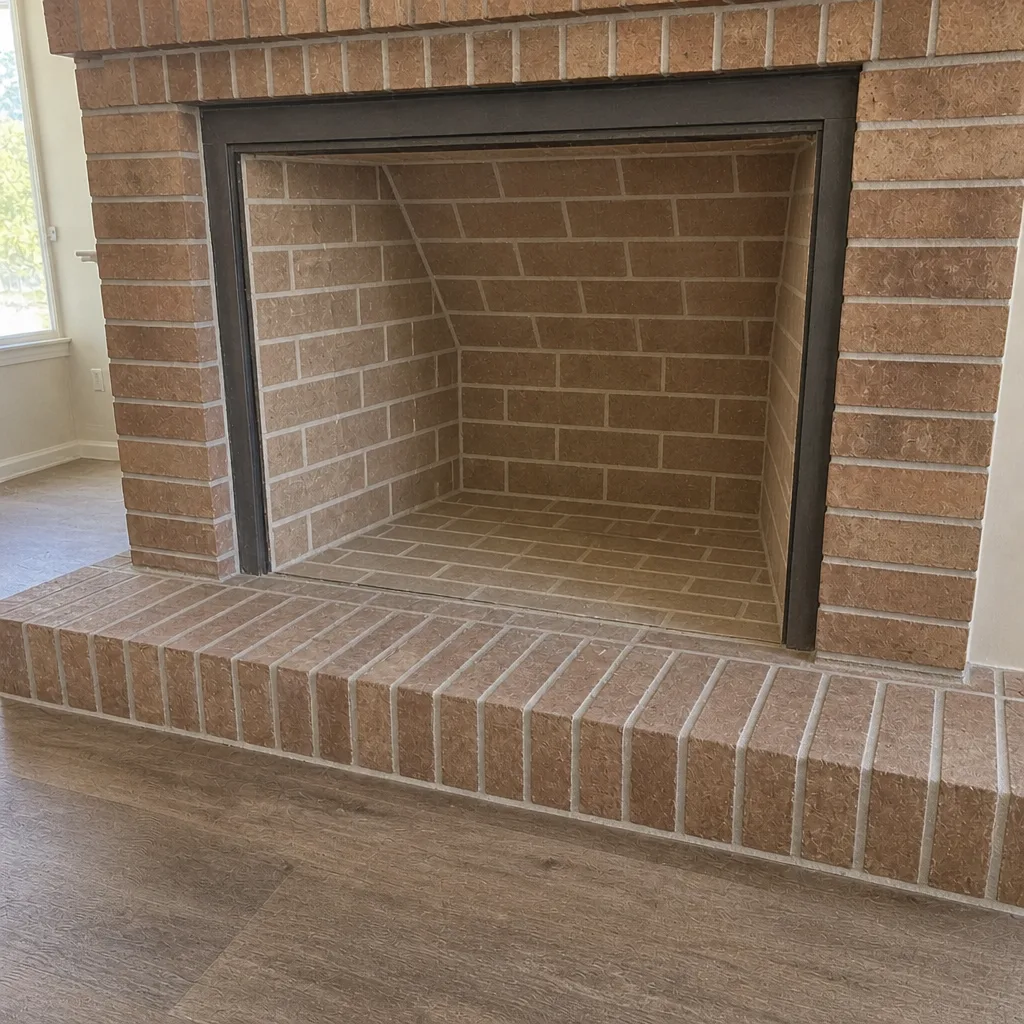
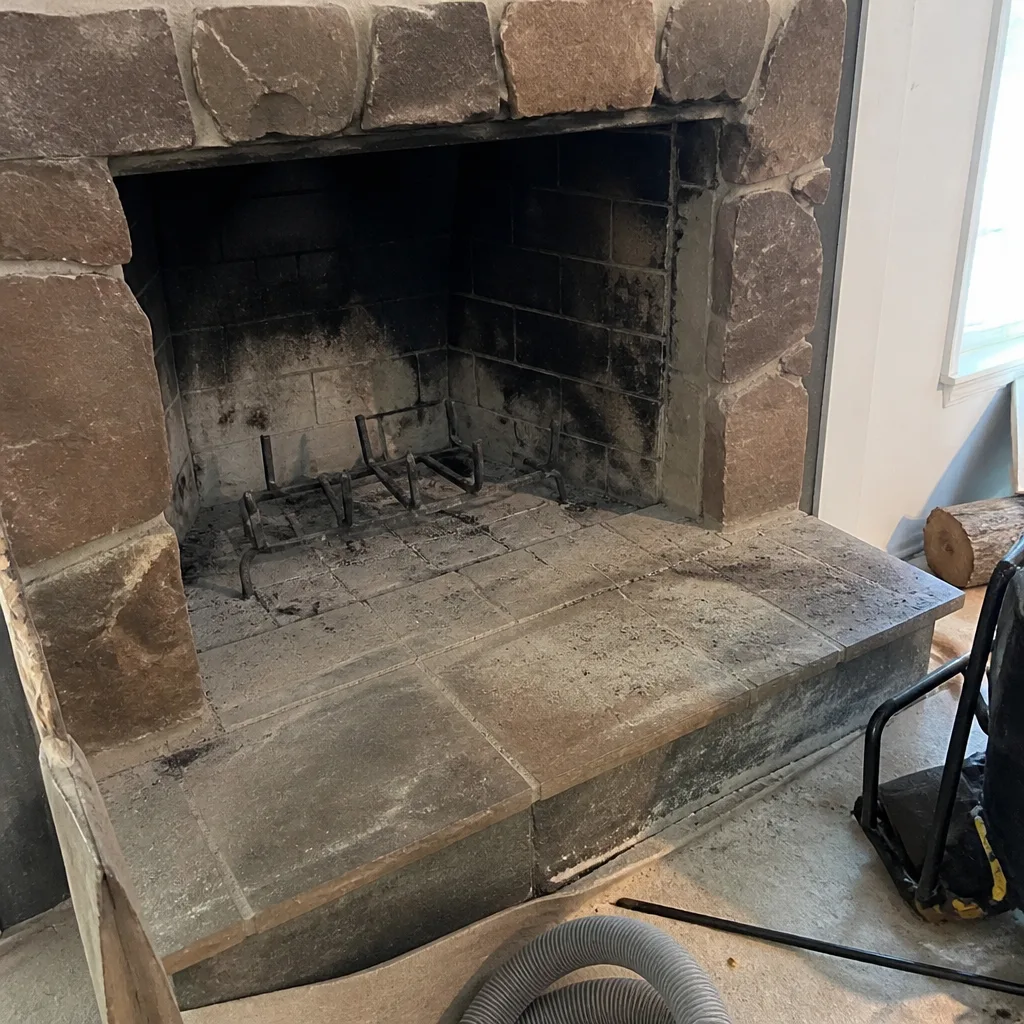
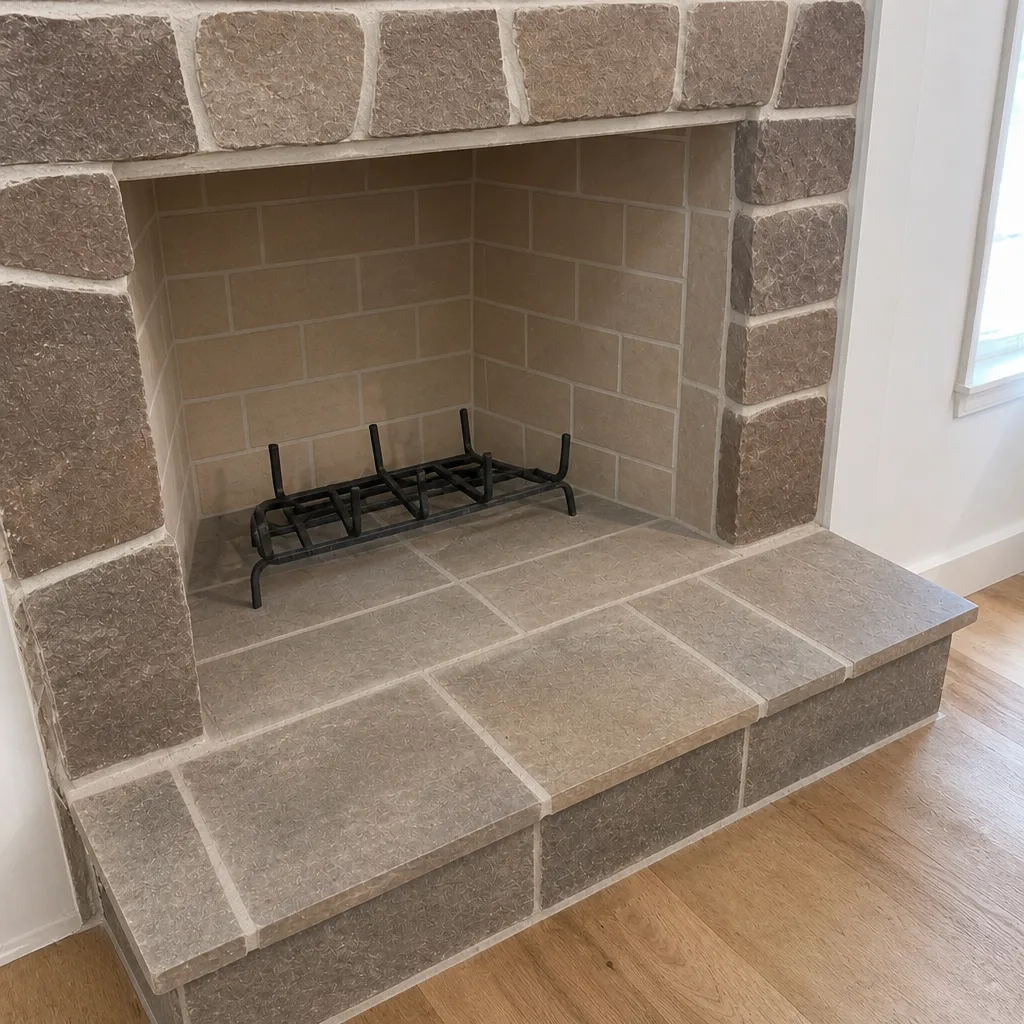
See the difference
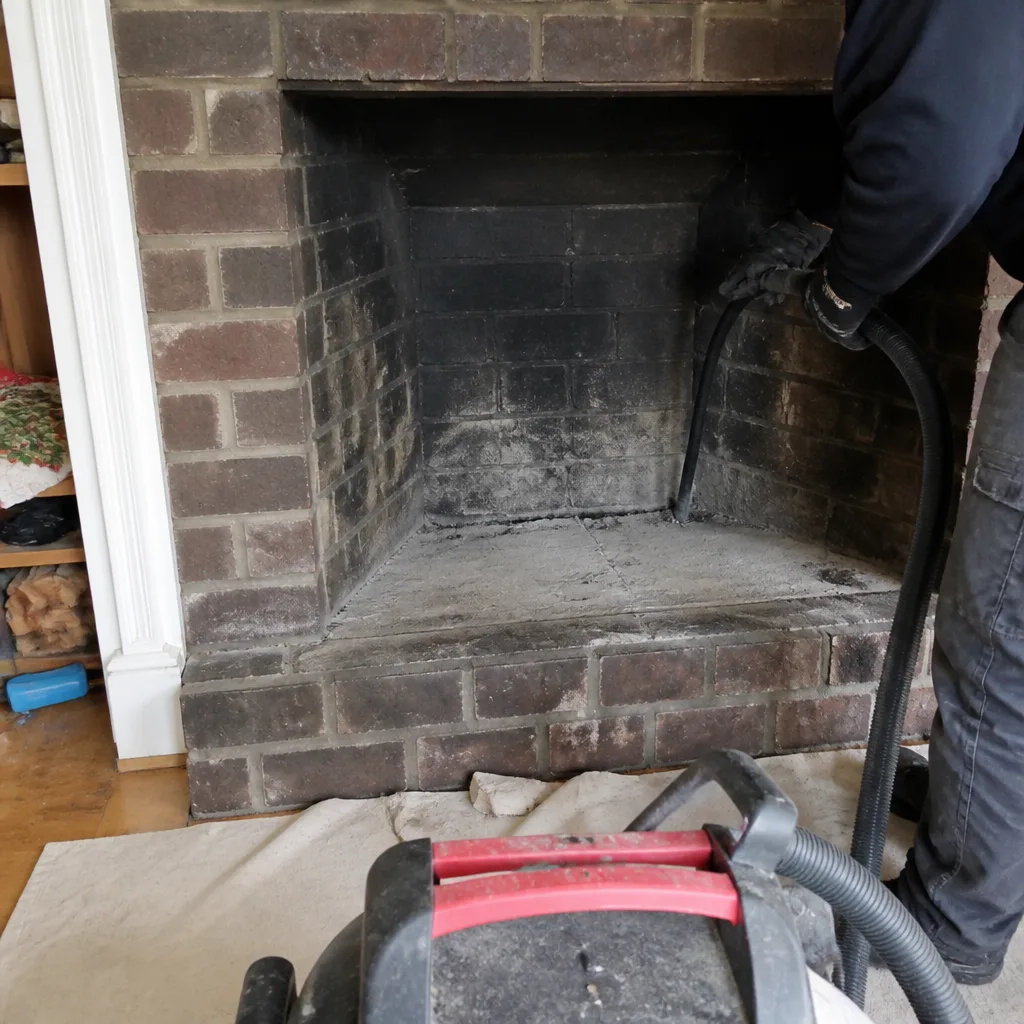 Before
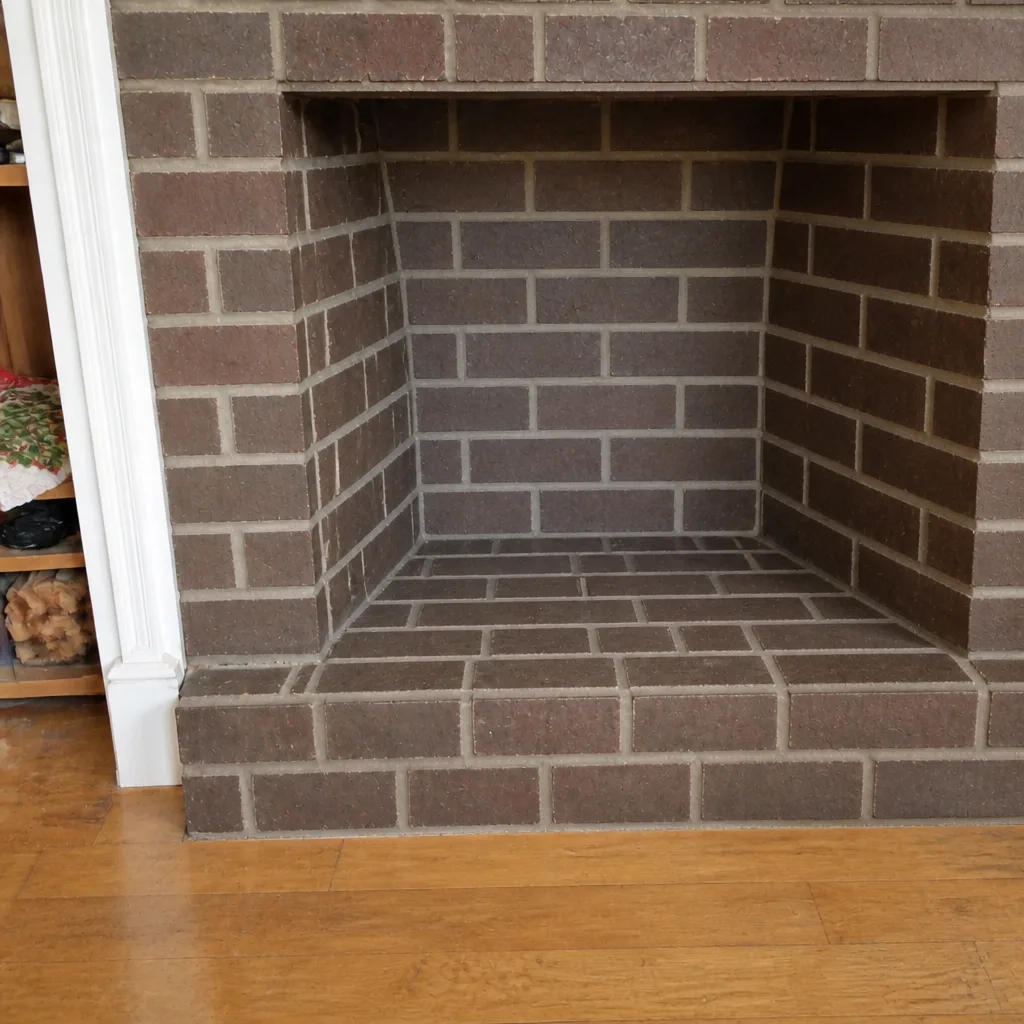 After
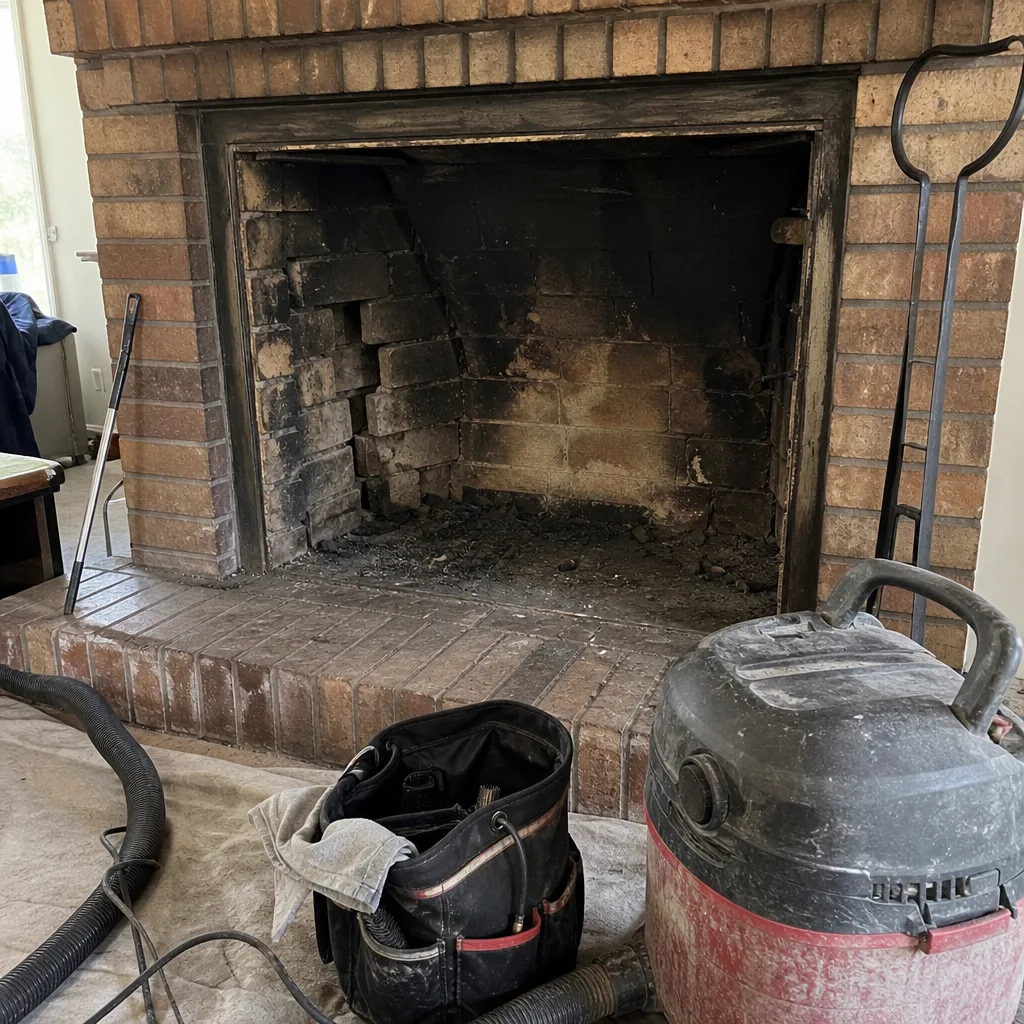 Before
 After
 Before
 After
When to Call a Professional
Call a professional after any suspected chimney fire, any smoke rollout into the room, any CO alarm event, or any unusual smell or draft near the fireplace. Call if you’ve just bought a Kaysville home and don’t know when the chimney was last serviced, if you’ve noticed crumbling mortar or a cracked crown, or if your liner shows signs of wear during a sweep. Book an inspection before burning season starts if it’s been more than a year since the last sweep. Chimney Sweep Kaysville offers free estimates in Kaysville. Call (844) 759-1416. We answer 24/7. Fast dispatch from 7am to 7pm, Sunday through Friday. We inspect before we recommend, and the estimate sets the final price before any work begins.
Frequently Asked Questions
Signs include a loud roar or popping from the flue, flames or sparks at the chimney top, a puffy creosote deposit that looks like popcorn inside the firebox, warped metal components, or cracks in the masonry. A slow smoldering fire may leave only a low rumble, a pressure change or a faint burning smell, with damage visible only on inspection. If you suspect any form of chimney fire, book a Level 2 inspection before relighting. Call (844) 759-1416 for a free estimate.
Get everyone out of the house and call 911 from outside. Close the damper on your way out only if you can do it safely, since cutting the air supply slows a contained fire. Don’t re-enter until the fire department clears the house, and don’t relight until a Level 2 inspection confirms the flue is intact. Call (844) 759-1416 to schedule the inspection.
Once a year is the standard for a home that uses its fireplace regularly, and more often if you burn heavily through the long Kaysville winter or burn unseasoned wood. A sweep also gives you a look at the liner, cap and crown, since most emergency situations start as a warning sign a sweep would catch. Call (844) 759-1416 to book before burning season starts.
Yes. A contained liner event or a slow smoldering fire can crack or warp the flue liner without any fire escaping the chimney, and a cracked liner lets combustion gases into your living space. That’s why any suspected fire requires a Level 2 inspection before the next burn. Call (844) 759-1416 to book an inspection.
Smoke rollout mid-winter usually means a sudden blockage, such as an animal nest, a fallen cap, heavy creosote debris or a collapsed section of liner. Weak draft during a Davis County inversion can also cause it. Put out the fire if you can do it safely, ventilate the room, and book an inspection before relighting. Call (844) 759-1416 for a free estimate.
It depends on the damage. A camera inspection shows whether the flue can be resurfaced with HeatShield ceramic resurfacing or whether it needs a full reline with a flexible liner system such as DuraFlex. We inspect before we recommend, and we’ll show you the evidence. Call (844) 759-1416 for an honest assessment before you spend on repairs.
The Bottom Line
Chimney emergencies in Kaysville rarely arrive without warning. The creosote, the cracked crown, the weak draft and the slow smoldering fire are all signs a sweep and inspection would have caught. Preparedness is a system: an annual Chimney Sweep Kaysville visit before burning season, carbon monoxide detectors on every level, a clear response sequence you’ve already talked through with your family, and the discipline to get a Level 2 inspection after any suspected fire. If you notice structural damage during an inspection, our chimney repair and fireplace repair services cover the full system, from cap and crown to firebox and flue. We work with professional-grade product lines including Olympia Chimney and Famco, and we install DuraFlex flexible liner systems when a reline is the right answer. Call (844) 759-1416 for a free estimate. We answer 24/7. Fast dispatch from 7am to 7pm, Sunday through Friday.
Written by the team at Chimney Sweep Kaysville.