
Last updated November 24, 2026
 Sweep & inspection
 Caps & crowns
 Flue relining
 Masonry repair
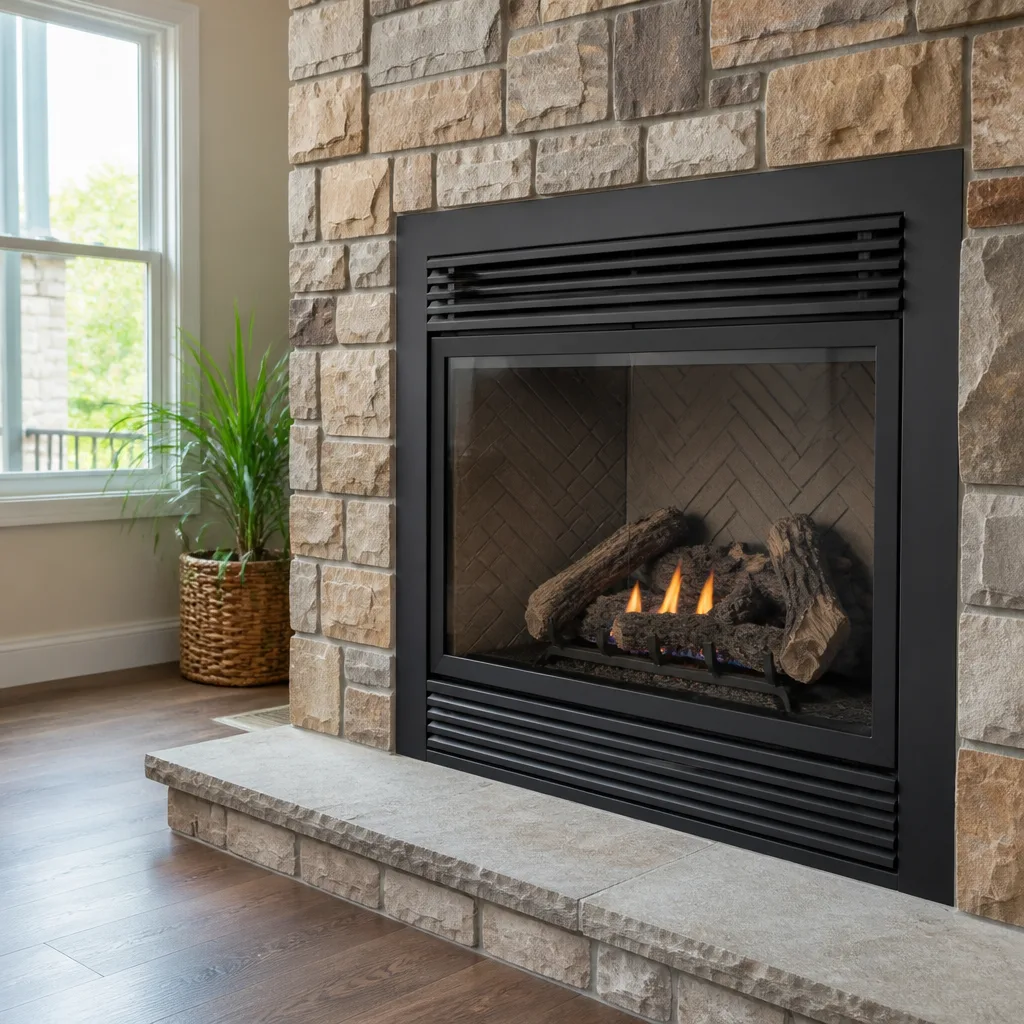 Gas fireplace service
Level 1 sweep and inspection to the NFPA 211 annual standard - flue, crown, cap, and flashing checked and photographed
Chimney sweep logs do not sweep chimneys. They loosen some creosote - which then falls where a brush and vacuum still have to collect it.
Chimney Sweep Maintenance Checklist for Kaysville Homeowners
The number-one maintenance mistake Kaysville homeowners make isn’t skipping the annual sweep. It’s doing the sweep and then ignoring the five things that happen between sweeps that quietly undo it. A cap that lost a screw in spring wind. A crown crack that let meltwater into the masonry all winter. A damper that stopped seating flat months ago and nobody noticed because the fire still lit. By the time the next appointment arrives, the sweep is cleaning out damage instead of preventing it. This guide gives you a framework, not a generic to-do list: which checks are safe for you to do from the ground, which need a trained eye on the roof, and which mean stop burning until someone qualified looks at it. Here’s how we think about chimney care in Kaysville.
Quick Answer
A Kaysville chimney needs four things every year: a professional sweep and inspection before heating season, a ground-level visual check of the cap and crown after each storm, a firebox check before every burn, and a dated log of what you observe so the technician has context. Homeowners handle the visual checks and the log. A qualified professional handles the sweep, the flue inspection, and any mortar, crown or liner work. Anything that smells like smoke in the room, water staining, or a loose cap is urgent and means stop using the fireplace until it’s inspected.
Styles & brands we work with
- Sweep & inspection
- Caps & crowns
- Flue relining
- Masonry repair
- Gas fireplace service
Table of Contents
- Why a Checklist Beats a Single Annual Appointment
- The Kaysville Season-by-Season Maintenance Calendar
- Homeowner-Safe Visual Checks You Can Do from the Ground
- What to Check Inside the Firebox Before Every Burn
- How to Keep a Chimney Log That Actually Helps
- Maintenance That Keeps Your Stove or Insert Warranty Valid
- Red Flags That Mean Stop Burning Now
- When You Need a Professional and What They Do
Why a Checklist Beats a Single Annual Appointment
A sweep is one appointment. A checklist is a system that runs all year. In Kaysville, the gap between appointments matters because of what the weather does to a chimney between visits. Northern Utah swings from hot, dry summers to hard freezes and repeated freeze-thaw cycles in winter. Masonry absorbs moisture, that moisture freezes and expands, and small cracks widen a little each cycle. A crown that looks fine in October can be spalling by March if it wasn’t sealed or repaired. None of that shows up on a sweep invoice unless someone was watching for it.
The other reason a checklist wins: it puts the cheap, homeowner-level observations first. You don’t need a technician to notice the cap is sitting crooked or the crown has a hairline crack. You do need one to know whether that crack is cosmetic or structural. Doing the visual work yourself means the professional appointment is spent on the flue and the firebox instead of on discovery. And when you walk the pro through a dated log, they can connect a stain you noticed in February to a flashing problem they can see in June.
We’ve found that homeowners who keep a simple log get more useful inspections. The technician isn’t guessing what’s new. They’re confirming or ruling out something you flagged. That’s a different, better conversation. And it’s why Chimney Sweep Kaysville treats the annual sweep as a diagnostic appointment rather than a sales call.
The Kaysville Season-by-Season Maintenance Calendar
National chimney advice usually says “schedule a sweep in fall.” That’s fine as far as it goes, but it ignores what Kaysville’s climate actually does to a chimney across the year. Here’s the breakdown we give homeowners who ask when to do what, tied to the real seasons on the Wasatch Front.
Late Winter into Early Spring (February through April)
- Book the inspection and sweep before you stop burning, or right after. Creosote left sitting in the flue through spring moisture is harder to remove and more corrosive to a metal liner. Getting it out early is easier than getting it out in October.
- Check the crown after the last hard freeze. Freeze-thaw is the hardest thing on masonry in northern Utah. Hairline cracks that appeared over winter are easiest to catch now.
- Look at the cap and spark arrestor. Wind storms and snow load can loosen fasteners or bend components. This is a ground-level binocular check.
Spring into Summer (May through August)
- This is repair season. Crown sealing, mortar repointing, cap work, and liner resurfacing all belong here. Warm, dry weather lets sealants and mortar cure properly, which they don’t do as well in cold or wet conditions.
- Inspect for water intrusion. Staining on the damper, rust on the firebox, or a smell of damp ash means water is getting in somewhere. Summer is when you have time to fix it, not December.
- Clear vegetation near the flue. Trees and overgrowth around the chimney top reduce draft and trap moisture against masonry.
Fall (September through November)
- This is sweep and inspection season. Before the first burn, get the flue cleaned and inspected. This is the appointment that catches problems before you’re relying on the fireplace.
- Test the damper. Open it fully, close it fully, and confirm it seats flat. A damper that doesn’t seal leaks heat up the flue when the fireplace is idle.
- Stock dry firewood. Seasoned wood with low moisture content burns cleaner and produces less creosote. Wet wood is one of the biggest drivers of the buildup that turns into a chimney fire.
Winter (December through January)
- Do the pre-burn firebox check every time. Details below.
- Watch the snow on the roof around the chimney. Uneven melting or meltwater running into the masonry suggests a flashing or crown issue.
- Note any change in smell or smoke behavior. If the fireplace suddenly drafts worse or smoke rolls into the room, stop burning and get it checked. Draft problems can indicate a blockage or a liner issue.
This calendar is built for the Kaysville climate specifically. A homeowner in a mild coastal climate could get away with less attention to freeze-thaw damage. Here, it’s the main way a chimney ages out.
Homeowner-Safe Visual Checks You Can Do from the Ground
You can do a lot of useful observation without getting on the roof. The safest approach is a pair of binoculars from the yard, a flashlight inside the house, and no ladders. Ladder work at chimney height is a genuine fall hazard, and it’s not worth it for a visual check. If you can’t see something clearly from the ground, write it down as “can’t see from ground” and let the professional look.
Here’s what to check, from the ground, after a storm or once a month during heating season:
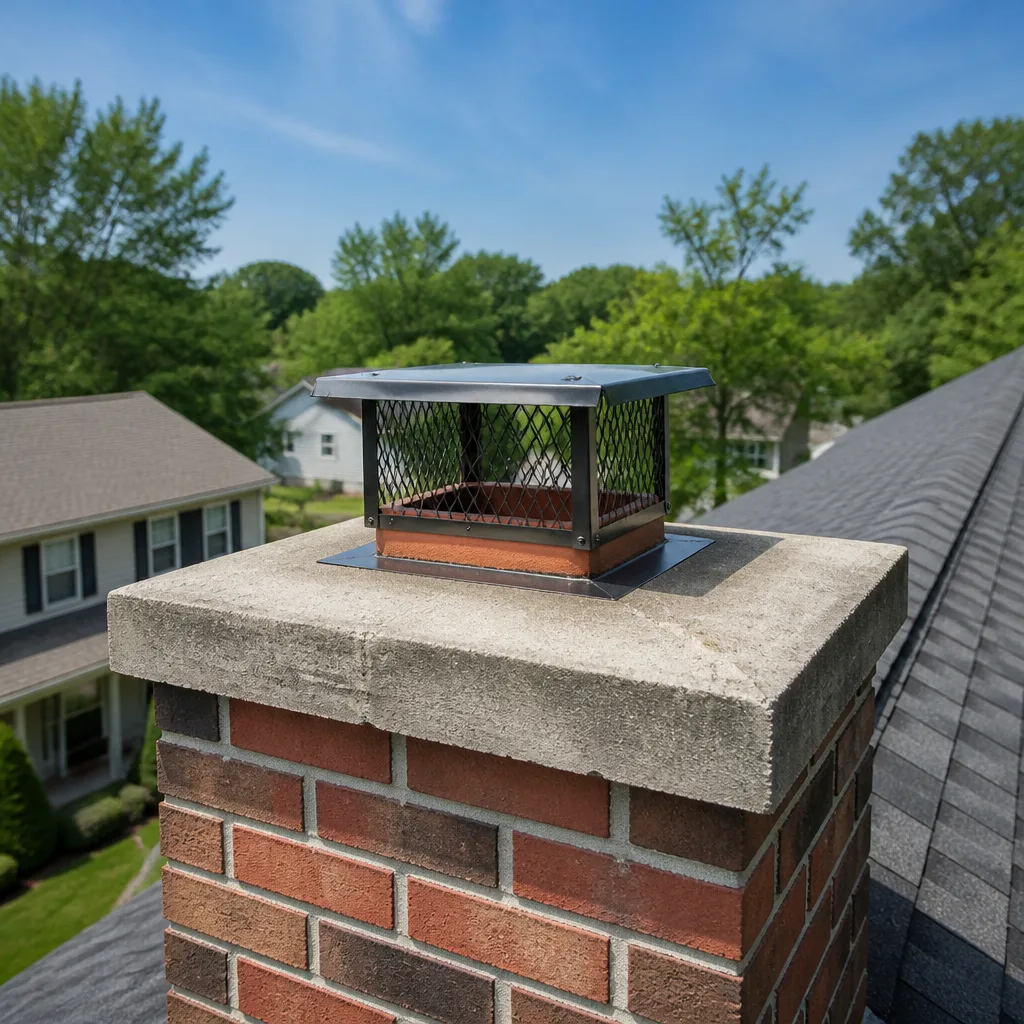
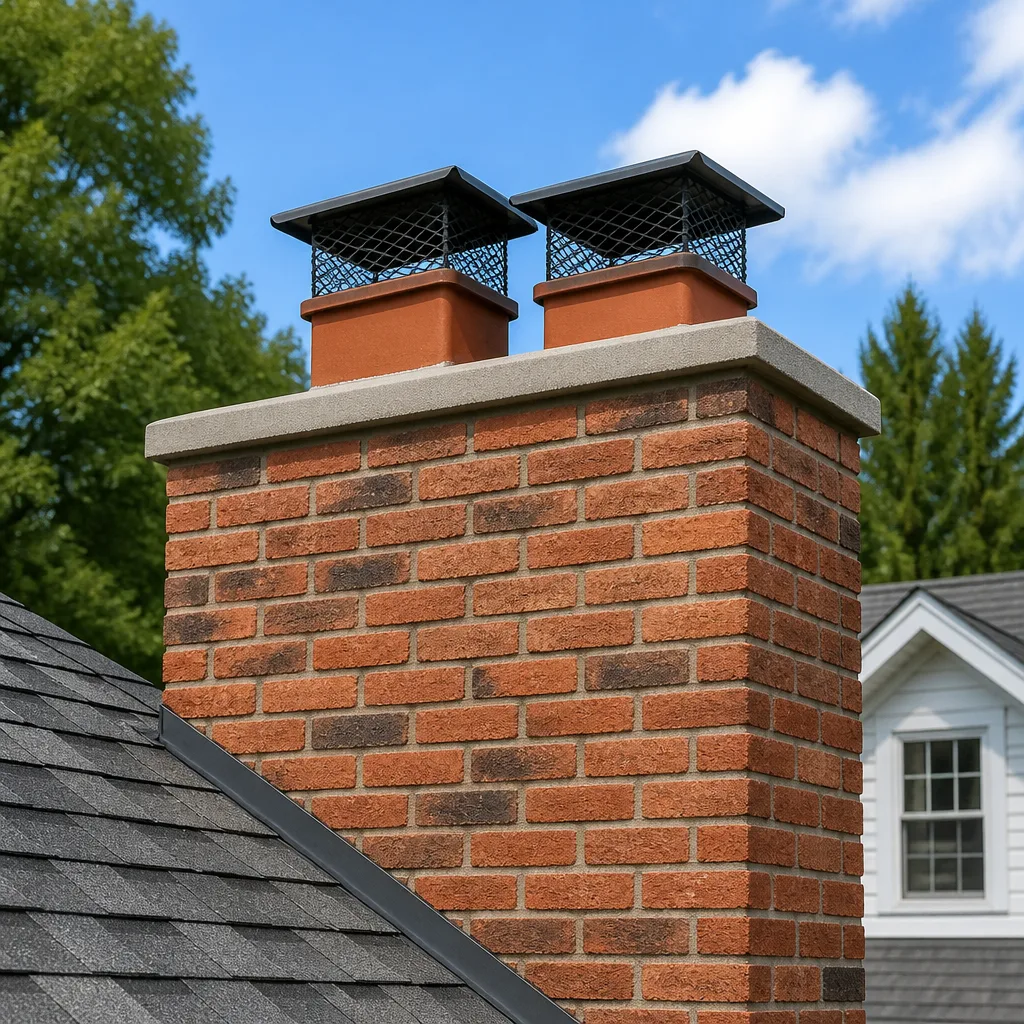
- The cap. The cap is the metal or masonry component that covers the flue opening and keeps out rain, snow, birds and debris. Look for a cap that’s cocked, tilted, or sitting off-center. Look for missing screws where the cap attaches to the flue. A cap that’s loose will eventually blow off in a Kaysville wind storm, and once it’s gone the flue is open to weather and wildlife.
- The crown. The crown is the concrete or masonry top surface surrounding the flue, sloped to shed water. Look for visible cracks, crumbling edges, or a surface that looks chalky and porous. Cracks in the crown let water into the masonry below, which is the start of the freeze-thaw damage described earlier.
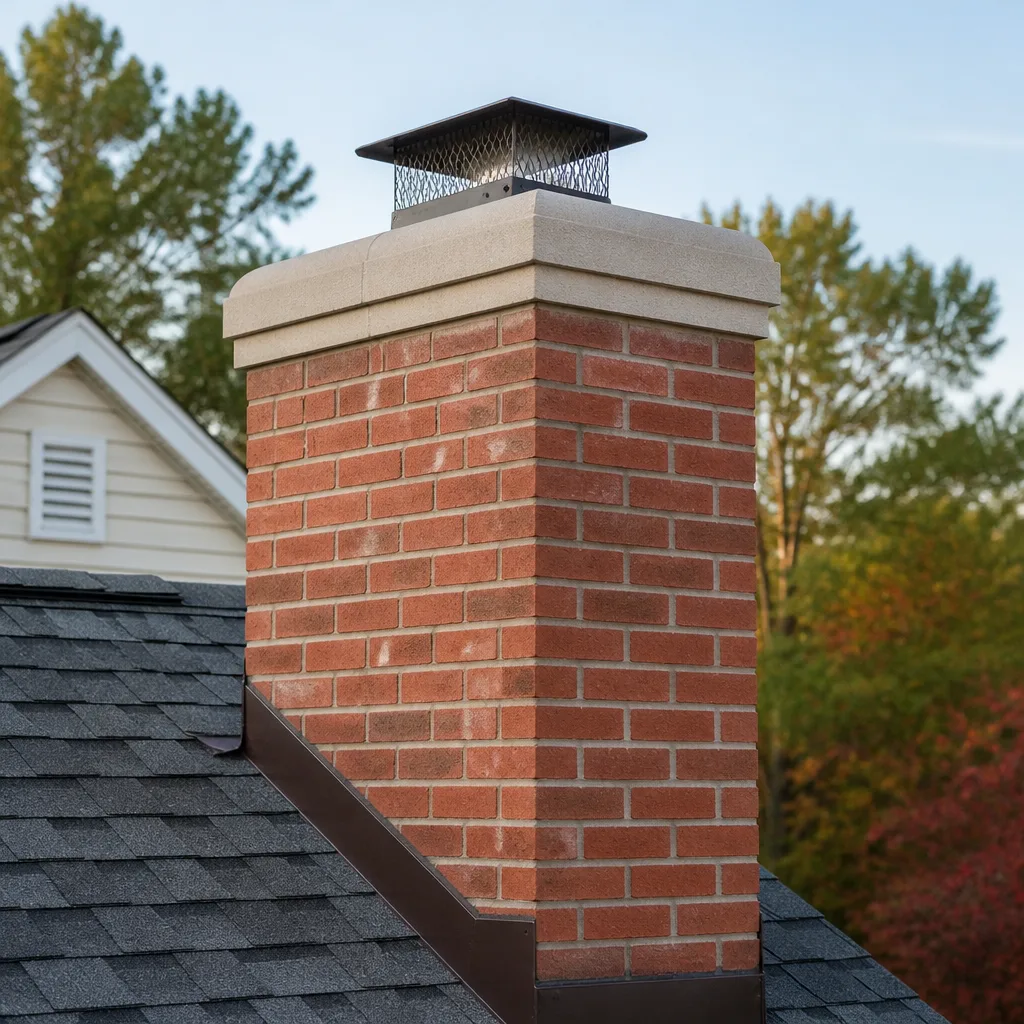
- Mortar joints. On a brick chimney, look at the horizontal and vertical mortar lines between bricks. Recessed or missing mortar, powder falling off, or visible gaps are signs of joint failure. This is not something you fix yourself at chimney height, but observing it tells the technician where to look.
- Staining and efflorescence. White chalky deposits on the exterior of the masonry are called efflorescence and indicate moisture moving through the brick. Dark water staining on the exterior, especially below the roofline, points to flashing or crown issues.
- Trees and overhangs. Note any branches within a few feet of the chimney cap. Overhanging vegetation traps moisture and can deposit debris on the cap and crown.
- Rust or soot streaks. Rust-colored streaks on the exterior or on the firebox metal suggest water intrusion or condensation problems.
Every one of these observations is worth writing down. None of them are things you should try to fix by climbing up there. A specific, dated note like “cap tilted to the north, top-left screw missing, noticed after the April wind” tells a technician more than a vague “chimney looked off.”
What to Check Inside the Firebox Before Every Burn
Before you light a fire, take thirty seconds and look inside the firebox. This is the one check that should happen before every burn, not just seasonally. It’s cheap, it’s safe, and it catches the issues most likely to cause a problem mid-season.
Here’s the routine:
- Look at the damper. Open it and confirm it moves freely and seats flat when closed. A damper that hangs up or doesn’t seal is a common issue and it affects how much heat you lose up the flue when the fireplace is idle. If the damper won’t seat flat, note it and get it looked at.
- Look for smoke staining on the smoke chamber. The smoke chamber is the sloped area just above the damper that funnels smoke into the flue. Streaking or heavy soot on the smoke chamber walls, especially new streaking, can indicate draft problems or a partially blocked flue. If you see fresh staining where there was none before, that’s worth a call.
- Check liner visibility through the damper. With a flashlight, look up through the open damper. You should see a continuous, intact flue surface. Visible gaps, crumbling material on a masonry flue, or a metal liner with torn or separated sections are serious. Stop and call.
- Scan the firebox walls and floor. Look for cracked firebrick, missing mortar between firebricks, or a firebox floor that’s eroded. Cracked firebrick lets heat and gases past the firebox, which is a structural and safety problem, not a cosmetic one.
- Confirm the grate and log placement. Make sure the grate is intact and logs aren’t piled against the firebox walls. Proper log placement matters for efficient burning and for keeping the firebox from being over-stressed.
- Check the ash level. A thin ash bed helps insulate, but a deep ash pile restricts airflow. Remove excess ash to a metal container with a tight lid and store it away from the house.
The damper and the flue surface are the two things to watch closest. A cracked flue liner allows combustion gases into your living space, and that’s the main reason we treat liner visibility as a stop-and-call check rather than a note-it-and-forget-it check. Carbon monoxide is odorless. You won’t smell a problem, which is why the visual check and a working carbon monoxide detector on every level of the home matter together.
How to Keep a Chimney Log That Actually Helps
A chimney log is just a dated list. A notebook, a note on your phone, an email to yourself – any format works as long as it has dates and specific observations. What makes a log useful isn’t length, it’s specificity. A technician can act on “crown crack at 2 o’clock, about 4 inches, noticed after March freeze” in a way they can’t act on “chimney has a crack somewhere.”
Here’s what to put in the log:
- Date and weather context. “After the April wind storm” or “noticed during the March thaw” tells a professional what to connect.
- What you saw, from where. Be clear whether it was a ground-level binocular view or an interior firebox check. That affects how confident the technician can be about the observation.
- What changed. “Cap was straight last month, now tilted” is more useful than “cap is tilted.”
- The last sweep and inspection date. Keep the paperwork. It matters for warranty claims and for the next technician’s context.
- Any odors, smoke behavior or draft changes. “Fireplace drafts worse since January” is a real data point.
- Repairs done and materials used. If a crown was sealed in June, note the product. That matters when the same crown needs attention in a couple of years.
Then, at the annual appointment, walk the technician through the log. They’ll know what’s been observed, when, and by whom. They can connect a February stain to a flashing repair that hadn’t been done yet, or rule out a recurrence because the same issue was addressed. This is one of the highest-value habits a Kaysville homeowner can build, and it costs nothing.
Maintenance That Keeps Your Stove or Insert Warranty Valid
Wood-burning stoves and gas inserts are warranted on the conditions the manufacturer specifies, and most of those conditions involve maintenance the homeowner is responsible for. Skip the maintenance and a warranty claim on a cracked firebox or a failed gasket becomes a conversation the manufacturer wins. This is one of the least-discussed maintenance issues, and it’s one of the most expensive to get wrong.
The maintenance items that most often affect a stove or insert warranty:
- Annual flue inspection and cleaning. Most manufacturers of stoves and inserts specify that the flue be inspected and cleaned as needed by a qualified professional. Skipping it is the single most common warranty issue we see cited. Keep the records.
- Gasket condition on the door. The door gasket seals the firebox. A degraded or hardened gasket leaks air, causing the stove to burn hot and unevenly, which stresses the firebox. Gaskets are a consumable item; a door that won’t seal is a maintenance item, not a warranty issue.
- Firebrick and baffle integrity. Cracked firebrick and a warped or damaged baffle are the two most common “hidden” damage items. Continuing to burn with a failed baffle voids most warranties and can overheat the stove. Check them annually.
- Flue and chimney cap condition. A cap that’s missing or damaged lets water and animals into the flue, and most warranties exclude water damage. The cap is part of the system, not an optional accessory.
- Proper fuel. Burning unseasoned wood or trash is a warranty issue on nearly every stove and insert. Follow the manufacturer’s fuel requirements.
Gas inserts have their own maintenance list. The venting, the pilot and burner assembly, and the glass and gaskets all need periodic attention per the manufacturer. Skipping annual inspection on a gas insert isn’t just a warranty issue; it’s a safety issue, because a venting problem on a gas appliance can put combustion gases into the home. If you don’t know the maintenance schedule for your specific stove or insert, find the manual. It’s usually available on the manufacturer’s site, and it defines what you need to do and when.
Professional-grade materials matter here too. When a repair or replacement is needed on a lined flue, we install DuraFlex flexible liner systems, and we’re certified to apply HeatShield ceramic resurfacing to restore a deteriorated flue without full liner replacement. Those are recognized product lines in the trade, not general-purpose hardware store items, and using the right materials is part of keeping the whole system in warranty across its life.
Red Flags That Mean Stop Burning Now
Some observations are “note it for the annual appointment.” Some are “stop using the fireplace until it’s inspected.” The distinction matters. Here’s where the line sits.
Stop burning and call if you observe:
- Smoke rolling into the room when the damper is open. This is a draft failure. It can be a blockage, a liner collapse, or a chimney that’s not drafting properly. Don’t run another fire until it’s checked.
- A strong, sharp, or chemical smell when the fireplace is in use. Creosote has a distinct smell. A sharp chemical smell or signs of backdraft are worth investigating before the next fire.
- Visible cracks or gaps in the flue liner. A cracked flue liner allows combustion gases into your living space. This is the classic carbon monoxide risk scenario, and it’s a stop-burning issue until the liner is repaired or resurfaced.
- Damaged or missing cap combined with visible debris in the flue. Birds, squirrels and nesting material are common causes of blockages. A blocked flue is a serious hazard.
- Water actively coming into the firebox or damper area. Active water intrusion means the crown, flashing or cap has failed. Water and hot firebrick don’t mix well; get it assessed before the next burn.
- Damaged firebox with visible cracks through firebrick or through the firebox floor. Heat and gases can migrate past the firebox into the chimney structure. Stop burning and get it inspected.
- No carbon monoxide detector on the level where the fireplace is. Not a chimney observation, but a genuine gap. Every home with a fireplace should have working CO detectors on each level.
Some of these are serious enough that a professional should be called the day you notice them. Others are “get it on the schedule soon.” Either way, a stop-burning decision is the right default when you’re not sure. There’s no downside to waiting a few days on the fire, and there’s a real downside to assuming it’s fine.
When You Need a Professional and What They Do
Some of this work belongs to you. Some of it doesn’t. The dividing line is whether the work involves getting on the roof, working inside the flue, or evaluating the structural integrity of the system. Those belong to a qualified professional, and it’s not just a liability question; it’s about the quality of the work.
Here’s what a professional should handle, and why:
- The annual sweep and flue inspection. A professional sweep uses the correct brushes and tools for the flue material and can see the full length of the flue with a camera. The sweep clears creosote and soot, and the inspection documents the condition of the flue, the damper, the smoke chamber, the firebox, the cap and the crown. An inspection is worth having as a standalone service, separate from any cleaning or repair, because it gives you a clear picture before you decide on any work.
- Crown and cap repair or replacement. Cap and crown work is where water intrusion is most often stopped. A properly sloped and sealed crown and a well-fitted, correctly anchored cap protect everything below. This work happens at the top of the chimney and needs to be done safely and correctly.
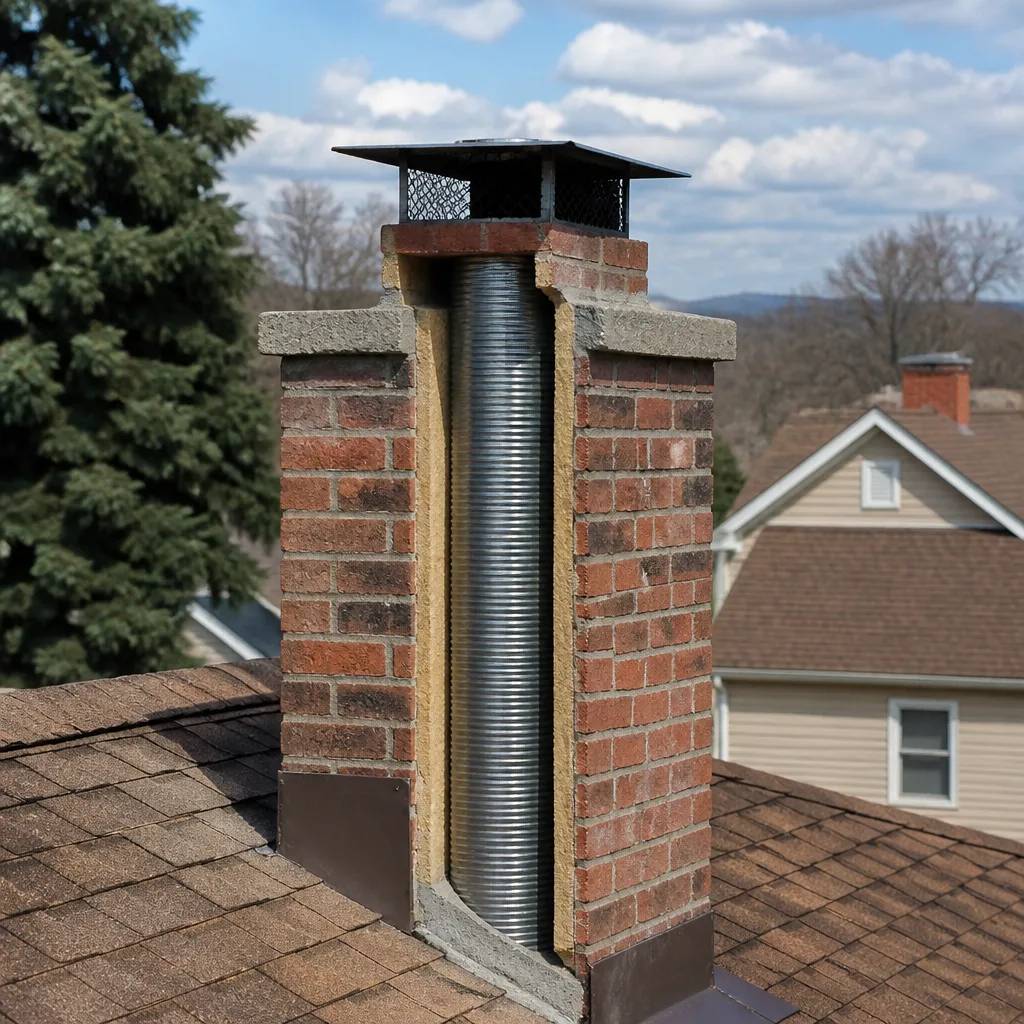
- Liner evaluation and restoration. If the flue is deteriorated, the options include resurfacing with a ceramic product or installing a new flexible liner. When we recommend a restoration, we show the homeowner the camera images so they can see the condition for themselves. A chimney liner decision shouldn’t be made on the technician’s word alone.
- Fireplace repair. Damper repair, firebox brick repair, and refractory work all fall here. These are specific repairs to the fireplace itself, distinct from the flue and the chimney structure. If you’ve noticed the damper sticking or a cracked firebrick, this is the conversation to have.
- Chimney structural repair. Mortar repointing, brick replacement, and repairing a chimney that’s leaning or has compromised masonry all fall under this category. Masonry in northern Utah takes a real beating from freeze-thaw, and structural repair addresses the parts of the system that hold everything else up.
We handle all five categories, from the annual sweep to structural repair, so the same conversation covers the whole system. Our technicians have up to 12 years of experience, and we work with professional-grade product lines – DuraFlex, HeatShield, Gelco, Olympia Chimney, Famco and Copperfield among them – because the materials used in a repair determine how long it lasts. If you’re ready to get on the schedule, start with a chimney sweep and inspection, and we’ll go from there based on what we find. When a repair is needed, the chimney repair conversation starts with camera evidence you can see, and a written estimate sets the final price. If it’s the fireplace itself that needs attention, that’s fireplace repair, and it’s handled under the same roof.
Common Mistakes to Avoid
- Skipping the cap and crown check between sweeps. The cap and crown are the two most common points of water intrusion, and they’re the two things most likely to fail between annual visits. A ground-level binocular check once a month during heating season is enough to catch most problems early.
- Burning unseasoned wood because it’s what was available. Green or wet wood produces far more creosote, and creosote is the fuel for a chimney fire. In Kaysville, where heating season is long, one season of wet wood can leave enough buildup to require a sweep mid-season.
- Assuming the sweep means the chimney is fine. A sweep clears the flue but doesn’t evaluate the crown, cap, masonry or structural integrity unless you ask. Book the inspection as a separate step so the whole system gets looked at, not just the inside of the flue.
- Putting off crown and mortar repairs to spring when the damage started last fall. Freeze-thaw damage compounds. A crack that could have been sealed in October becomes a repointing job by March. Late winter or early spring, before the worst of the thaw, is the right window for assessment.
- Climbing on the roof to “just check.” Ladder falls are one of the most common home injury sources, and roof-level chimney checks are rarely worth the risk. Use binoculars from the ground, and leave the roof work to a professional.
- Ignoring the stove or insert manual. Every stove and insert has a manufacturer-specified maintenance schedule, and skipping it is the easiest way to lose a warranty claim on a real failure. The manual is your friend and it’s usually a free download.
- Not keeping records. A log of observations and a folder of inspection reports make a real difference at the next appointment and at any warranty conversation. The log is free, and it makes the professional appointment more useful.
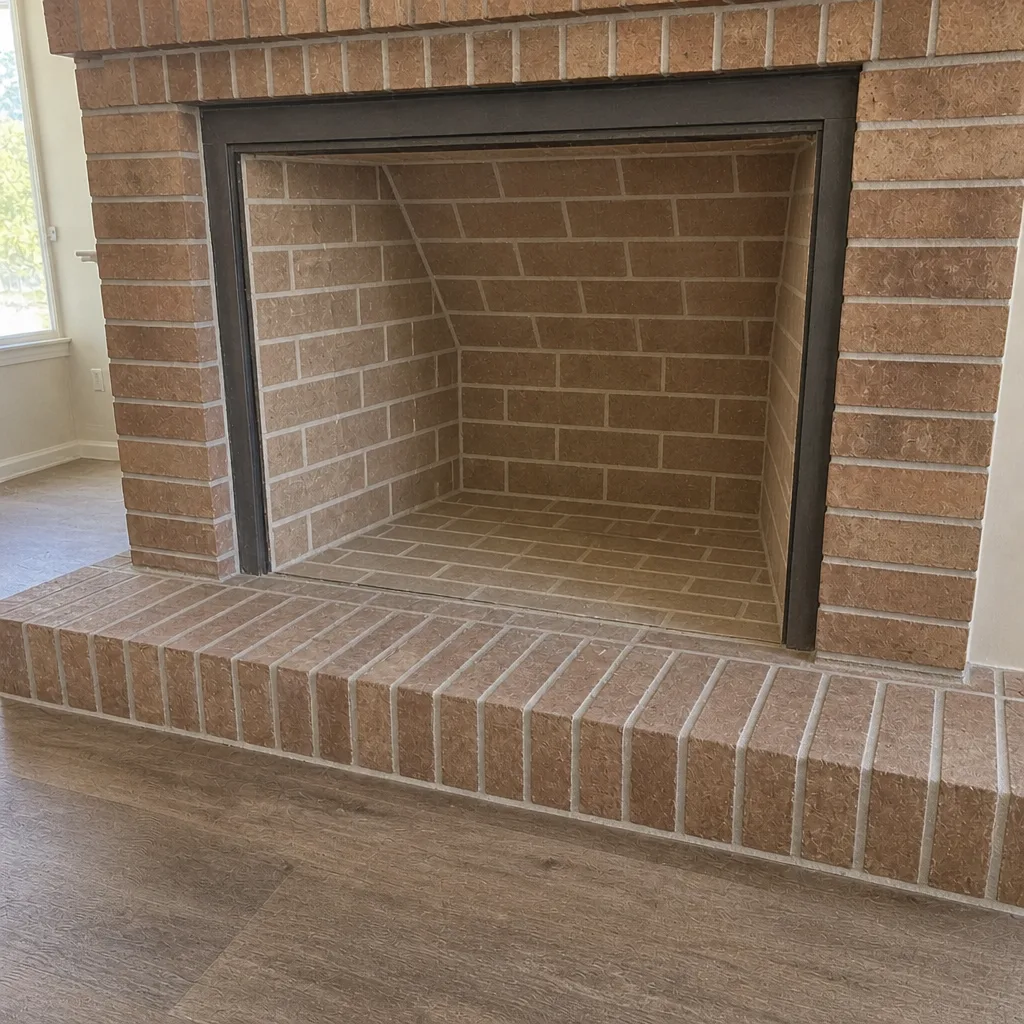
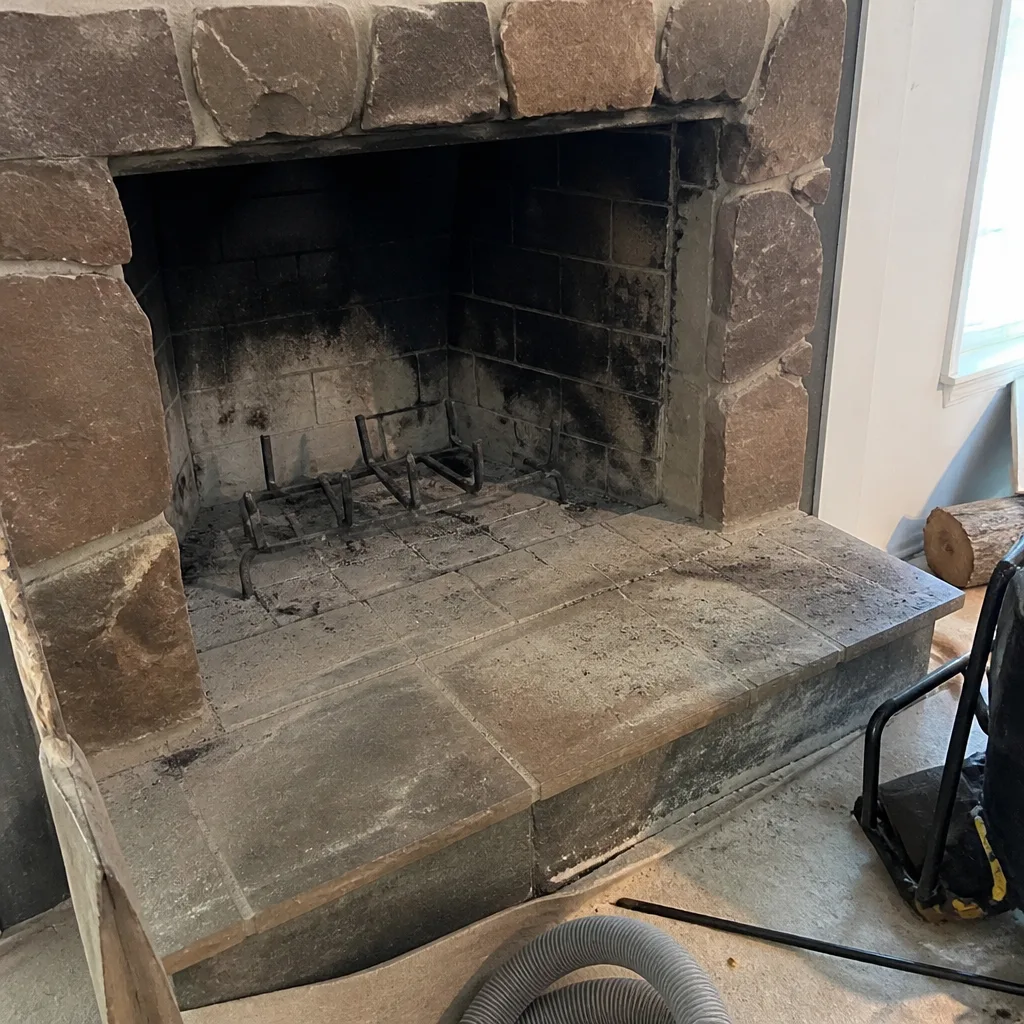
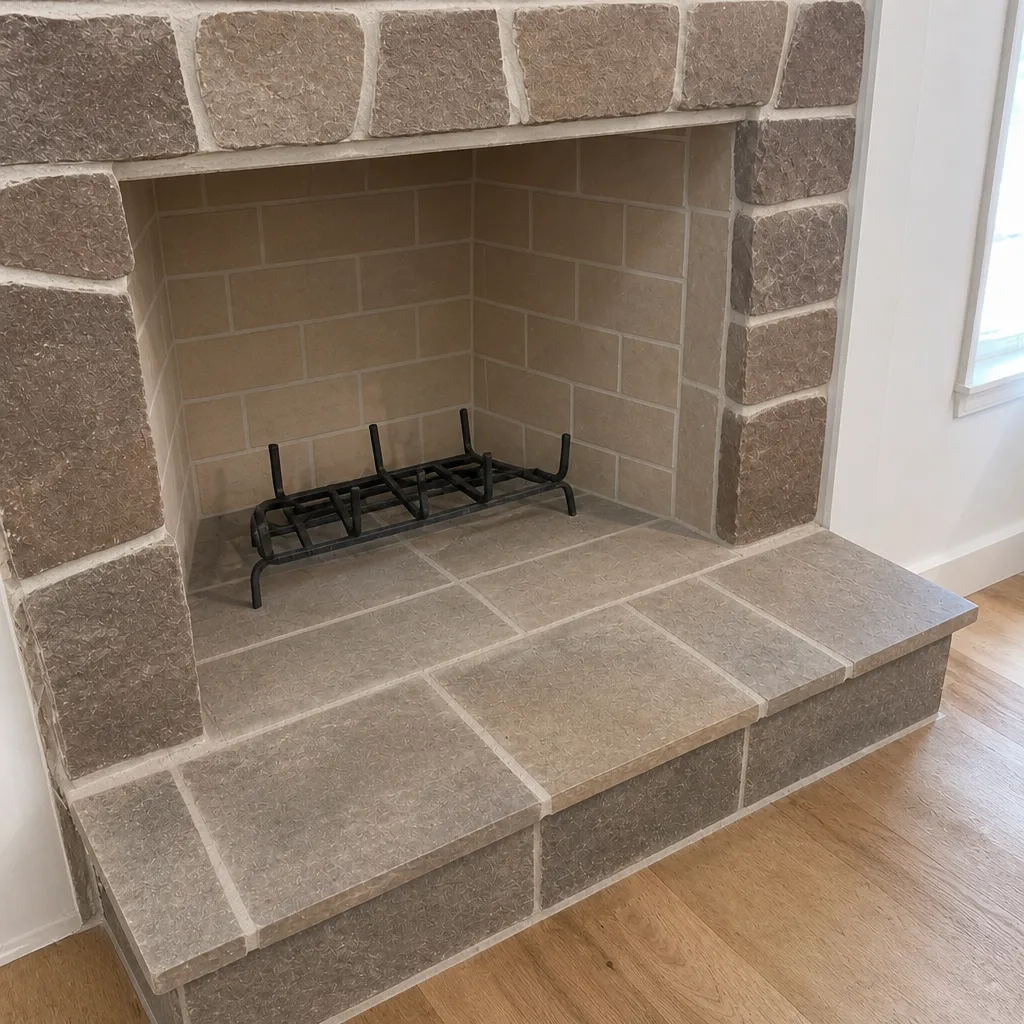
See the difference
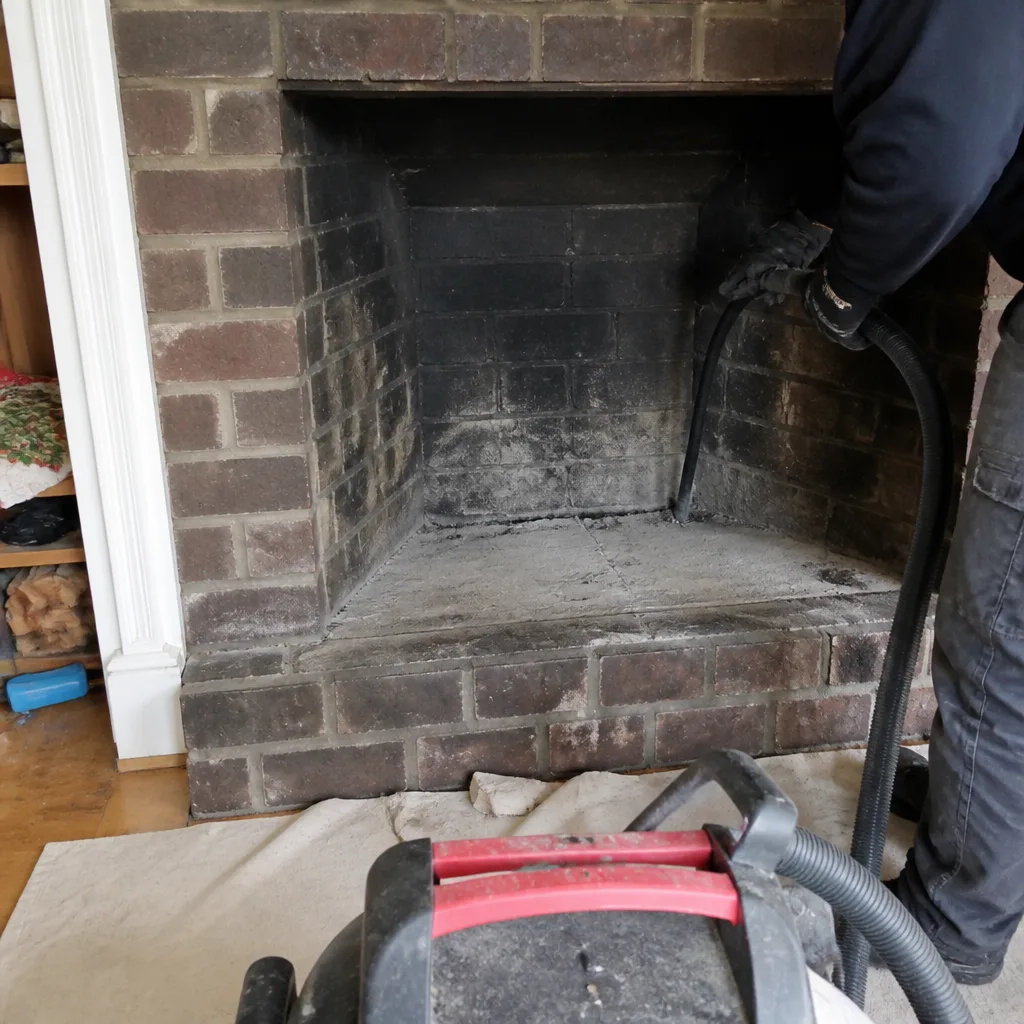 Before
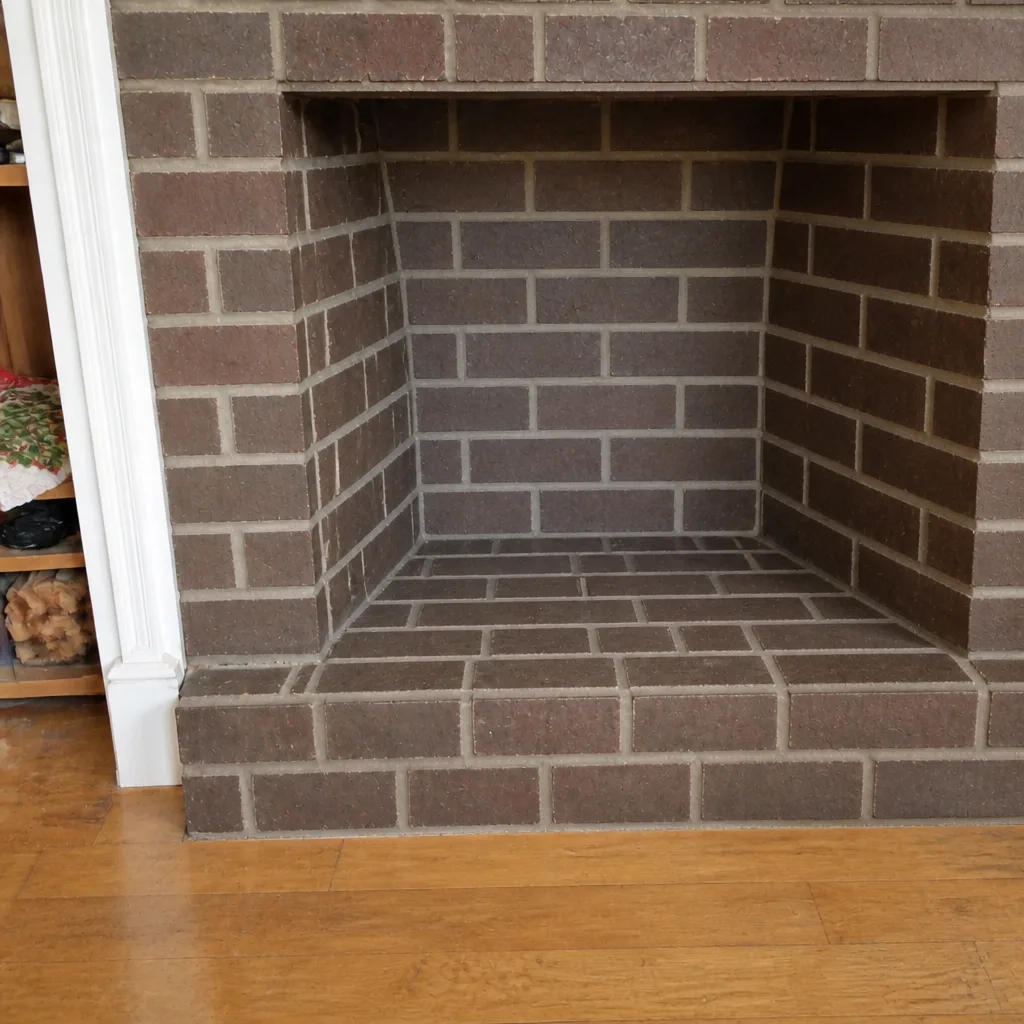 After
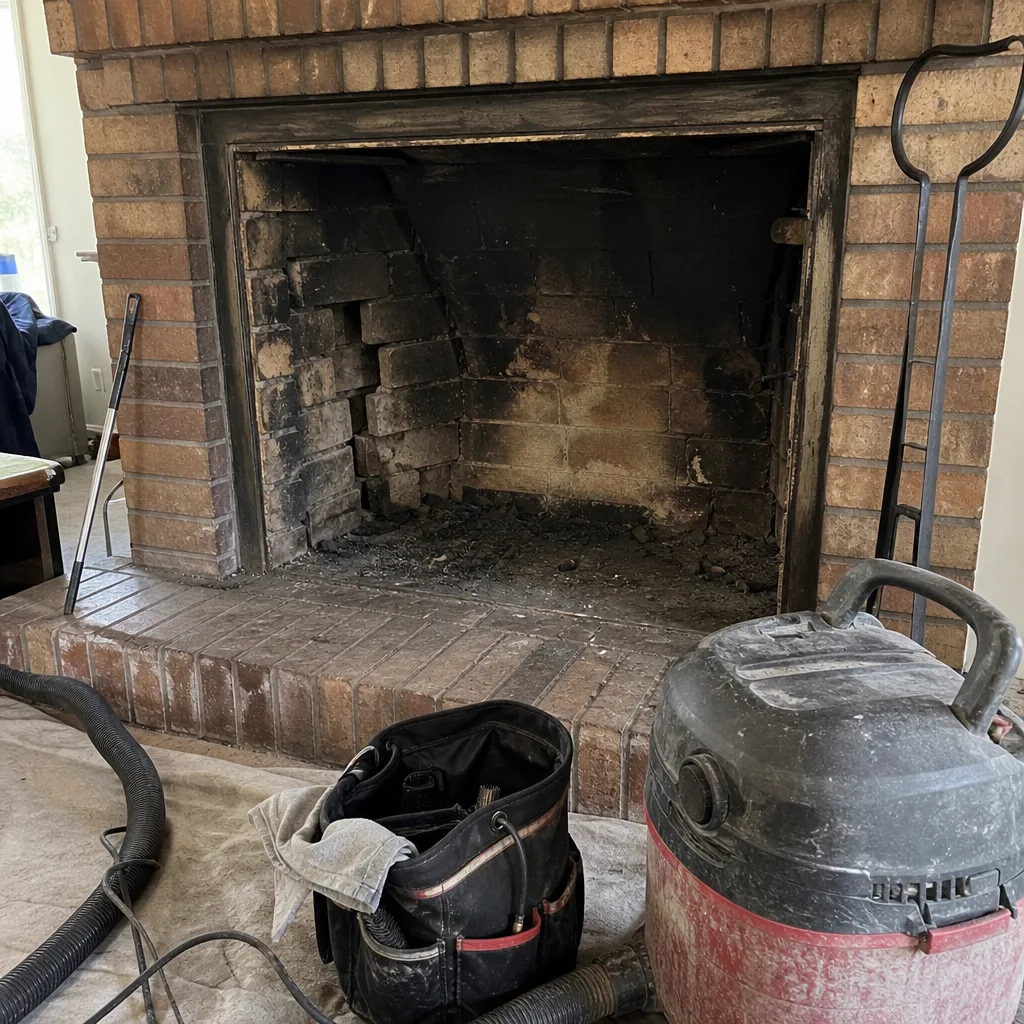 Before
 After
 Before
 After
When to Call a Professional
Call a professional if you noticed any red flag from the section above, if the last inspection was more than a year ago, or if you’ve just moved into a Kaysville home with a chimney you haven’t personally had inspected. A home inspection isn’t a chimney inspection; it’s a general look at the house. The chimney needs its own appointment, with a camera and someone who knows what they’re looking at.
Also call if you’re unsure whether something is urgent. We’d rather look at a hairline crack and tell you it’s fine than have you spend the winter worried about it. Chimney Sweep Kaysville offers free estimates in Kaysville, and the written estimate sets the final price. Call (844) 759-1416. We answer 24/7. Fast dispatch from 7am to 7pm, Sunday through Friday.
Frequently Asked Questions
Once a year is the standard, and that usually happens before heating season starts. If you burn frequently or burn wood that isn’t fully seasoned, you may need a mid-season sweep, especially in a cold Kaysville winter where the fireplace runs most days. An annual sweep plus a separate inspection is the reliable baseline. Call (844) 759-1416 to get on the schedule before the first burn.
You can do the ground-level visual checks, the firebox check before every burn, and the log, and you should. What you shouldn’t do is ladder work at chimney height, roof-level crown or cap repairs, or anything inside the flue. Those need the right tools and a professional’s eye for structural issues, and ladder falls are a real risk that isn’t worth taking for a visual check you can do from the ground with binoculars.
Creosote builds up in the flue, and creosote is what fuels a chimney fire. It also masks developing problems: a crack in the flue liner or a failing crown won’t be visible when the flue is coated in soot. Skipping the sweep doesn’t always cause a fire immediately. What it does reliably is let small issues become expensive repairs, and it removes the chance to catch a liner problem before it becomes a safety concern.
Pricing is set per job by a written estimate after we’ve seen your chimney, so it depends on the flue, the condition, and whether an inspection or repair is included. The estimate is free, and the written estimate sets the final price. Call (844) 759-1416 for an exact quote – estimates are free.
Not always. Sometimes the right answer is resurfacing with a ceramic product like HeatShield rather than a full liner replacement, and sometimes the answer is that the liner is fine and needs no work at all. The only way to know is to look with a camera and show the homeowner the images. We don’t recommend liner work without camera evidence you can see. If a liner is intact, we’ll tell you, and if the work can safely wait, we’ll say so.
Northern Utah’s freeze-thaw cycles are hard on masonry. Moisture that gets into a crown crack or a mortar joint freezes, expands, and widens the crack, then repeats throughout the winter. That’s why crown and mortar checks matter here more than in a mild climate, and why doing repair work in dry summer weather matters. Wet or cold conditions keep sealants and mortar from curing properly, so getting the work done in the right season protects the investment.
The Bottom Line
A Kaysville chimney is a system, and maintenance is what keeps the system working. Do the ground-level cap and crown check once a month. Do the firebox check before every burn. Keep a dated log of what you observe. Get the annual sweep and inspection before heating season, and treat the inspection as a standalone appointment so the whole system gets evaluated. Handle repairs in dry summer weather when mortar and sealants cure properly. And when you see a red flag – smoke in the room, a cracked liner, water in the firebox – stop burning and call. The habit of checking between sweeps is what makes the annual appointment useful instead of reactive. If you’d rather hand the whole list to someone who does this daily, we’re glad to help.
Call (844) 759-1416 for a free estimate. We answer 24/7. Fast dispatch from 7am to 7pm, Sunday through Friday.
Written by the team at Chimney Sweep Kaysville.