
Last updated November 24, 2026
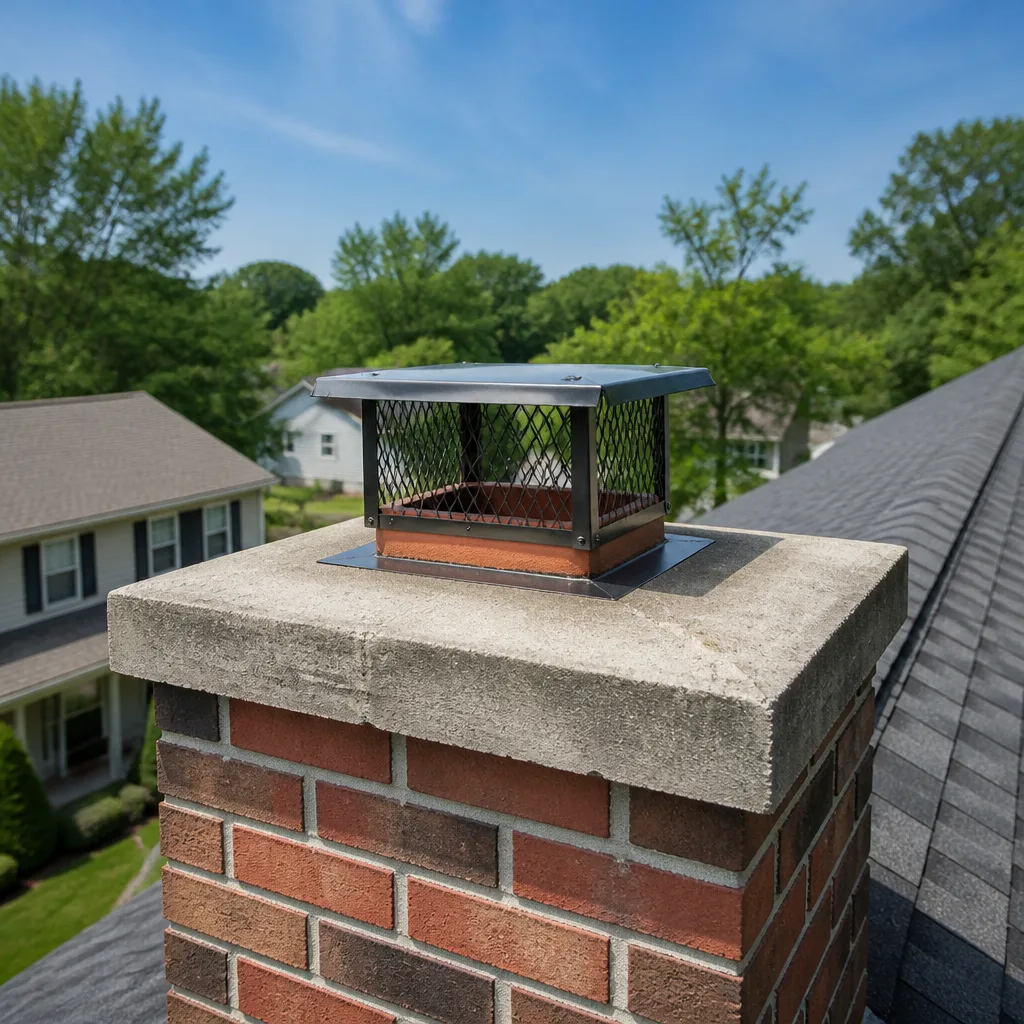 Sweep & inspection
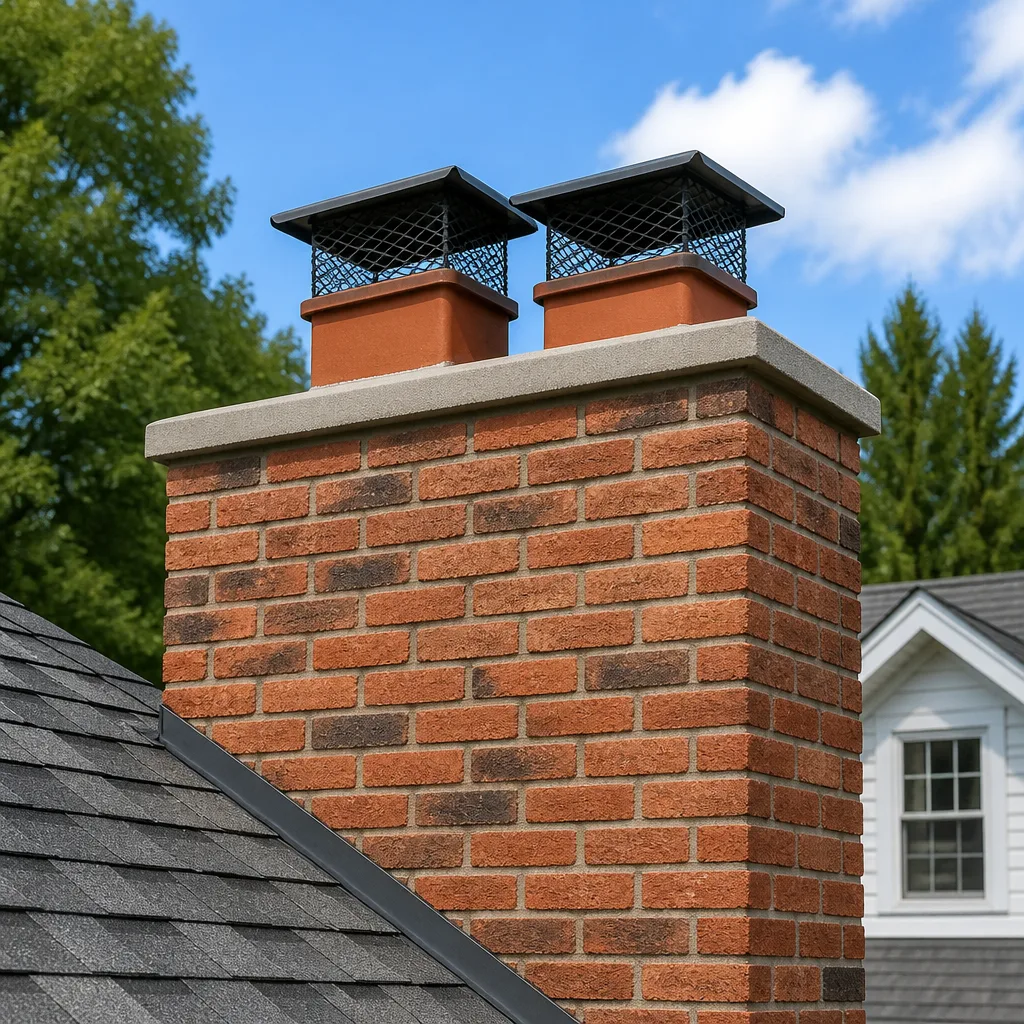 Caps & crowns
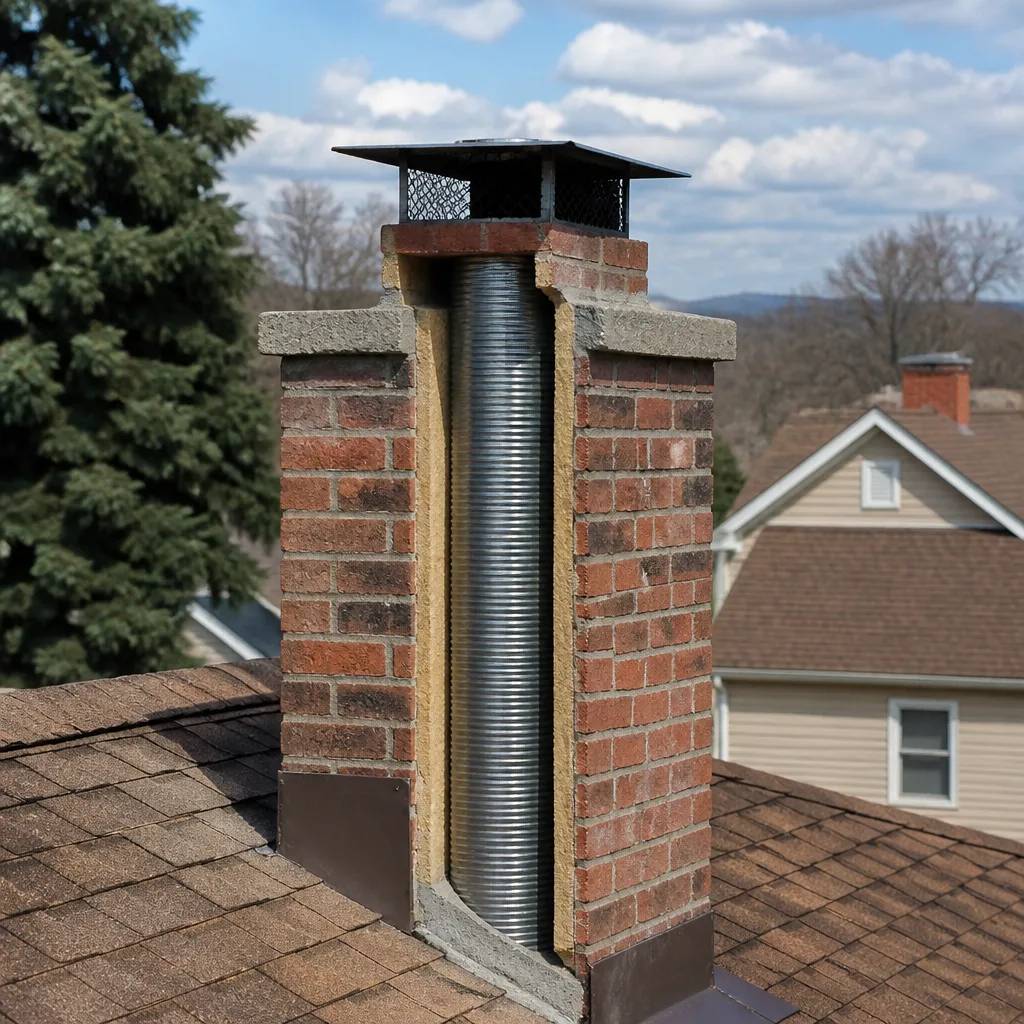 Flue relining
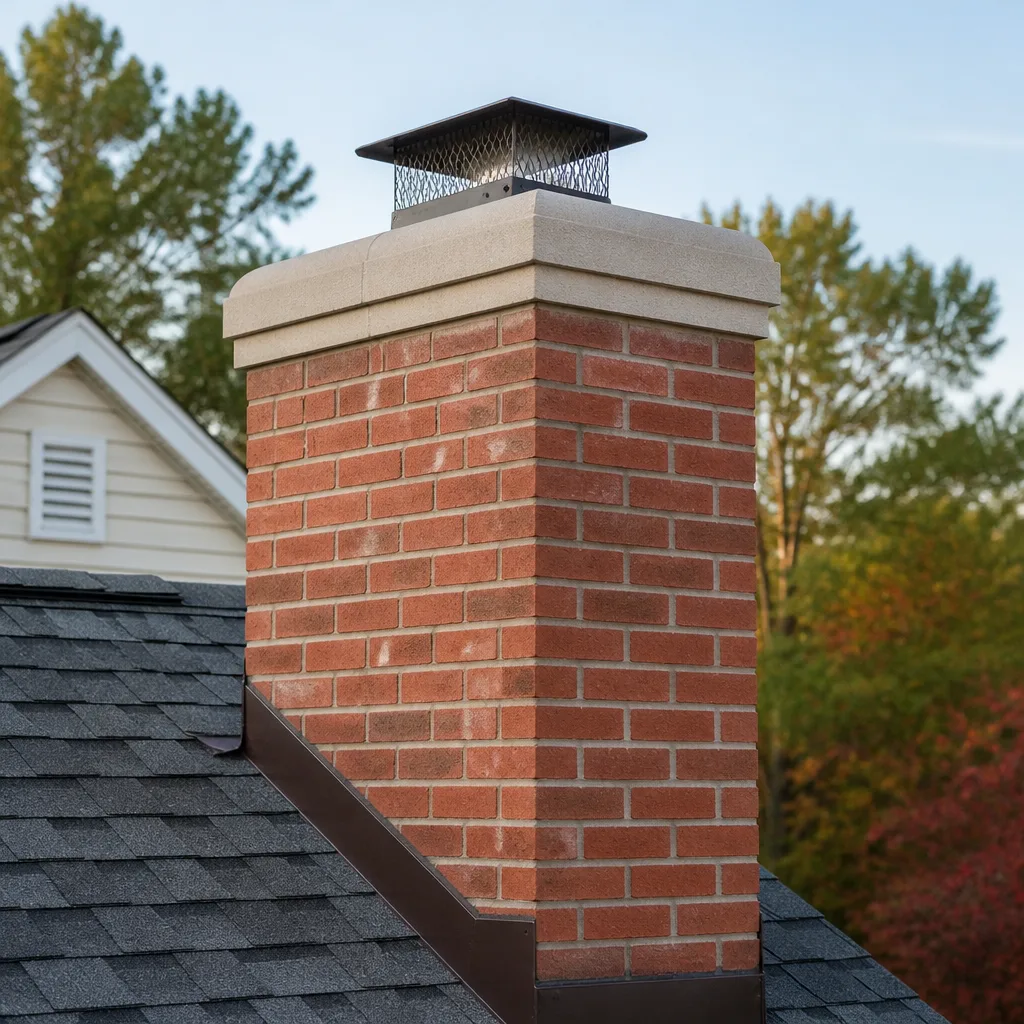 Masonry repair
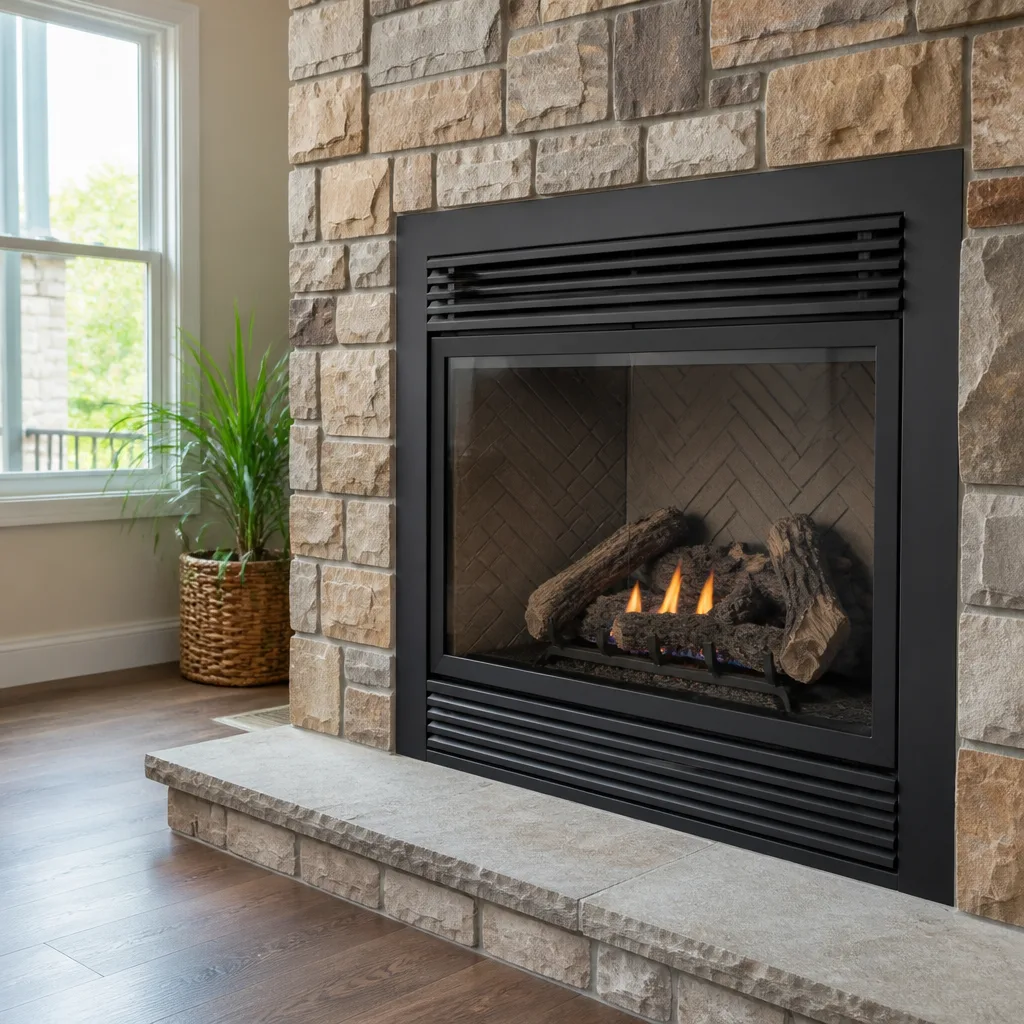 Gas fireplace service
Level 1 sweep and inspection to the NFPA 211 annual standard - flue, crown, cap, and flashing checked and photographed
Chimney sweep logs do not sweep chimneys. They loosen some creosote - which then falls where a brush and vacuum still have to collect it.
Chimney Sweep Troubleshooting in Kaysville: Common Problems and How to Fix Them
A smoky fireplace and a smelly fireplace look like the same problem. They almost never share the same fix. That gap in diagnosis is where a simple sweep gets misread as a liner job, or where a real liner problem gets treated with another cleaning and a closed damper. In Kaysville, the canyon drafts coming down off the Wasatch foothills make a few of these signals behave differently than the generic guides online assume, so reading your chimney’s actual signals matters more here than a search-and-match approach. This guide teaches you to tell the symptoms apart, run a safe visual self-check, and know when a problem is a sweep, a repair, or a full reline.
Quick Answer
Most chimney problems in Kaysville trace to one of four things: a creosote or soot buildup restricting flow, a drafting problem tied to pressure and temperature, water getting in through the cap or crown, or a structural defect in the flue liner or masonry. The symptom you see (smoke rollout, odor, slow draw, stains) narrows the cause but doesn’t confirm it. A camera inspection is what confirms it, and that’s why we inspect before we recommend anything.
Styles & brands we work with
- Sweep & inspection
- Caps & crowns
- Flue relining
- Masonry repair
- Gas fireplace service
Table of Contents
- Symptom-to-Cause: Reading What Your Chimney Tells You
- Why Kaysville’s Canyon Drafts Create Problems Other Guides Miss
- Monitor It or Stop Using It? The Line That Matters
- Your Safe Visual Self-Check From the Firebox
- Sweep Fix, Repair Fix, or Full Reline: The Decision Tree
- Water Intrusion: The Slow Damage Most Homeowners Overlook
- Seasonal Timing in Kaysville: When to Sweep and When to Wait
- Common Mistakes to Avoid
- When to Call a Professional
Symptom-to-Cause: Reading What Your Chimney Tells You
Here’s the core problem with searching your symptom: the same visible sign can come from three different layers of the chimney system. White staining on exterior brick usually points to water moving through the masonry, not to a dirty flue. Smoke rolling out of the firebox on startup often comes from pressure, not blockage. A creosote smell in summer is frequently a draft reversal, not a fresh fire. Matching the symptom to the layer is the whole game.
Use this map to narrow the possibilities before anyone climbs on the roof:
- White or gray staining on exterior masonry: likely water intrusion through a cracked crown, missing cap, or failed flashing. The fix lives at the top of the chimney, not in the firebox.
- Smoke rollout on fire startup: most often negative pressure, a cold flue, or a damper that isn’t open fully. Less often a partial blockage.
- Slow, lazy draw with an established fire: creosote or soot restriction, an undersized flue for the appliance, or a cap screen clogged with debris.
- Creosote odor in warm weather: draft reversal pushing stale flue air down into the living space when the house is cooler than the outside.
- Rusted damper or firebox metal: long-term moisture exposure. Something above the firebox is letting water in.
- Crumbling mortar joints inside the firebox: heat cycling or water damage at the smoke chamber. This is a repair signal, not a cleaning signal.
- Visible cracks or gaps in the flue tiles: a structural concern. Stop using the fireplace until it’s evaluated.
One symptom can point to two layers at once. A slow draw and a creosote smell together could mean a partially blocked flue with a pressure problem on top. That’s exactly the pattern a camera inspection resolves, and why an inspection offered as its own service (not just as a sales hook) matters. The camera either shows you the restriction or it doesn’t. You see the photo, you decide.
Why Kaysville’s Canyon Drafts Create Problems Other Guides Miss
Kaysville sits against the Wasatch foothills, and the canyon air that drains downslope in the cooler hours produces pressure swings a flatland troubleshooting chart doesn’t account for. Standard guides assume a chimney draws consistently upward once a fire is burning. In Kaysville, on a cold, still evening after a daytime warm spell, the air column in the flue can stall or reverse entirely. A chimney that drafts fine at noon can smoke at seven the same evening with nothing wrong with the flue itself.
That produces two problems worth naming:
- False alarms on smoke rollout. Homeowners call thinking the flue is blocked when the issue is the house operating at negative pressure during a canyon-air reversal. Tight, well-insulated homes make this worse, not better. Weatherization is great for the heating bill and sometimes rough on a fireplace.
- Real draft failures that get missed because they’re written off as weather. A chimney that drafts correctly only on some days usually needs help, not acceptance. A cap designed to stabilize draft, a properly sized flue, or a flue that isn’t fighting a cracked liner can often fix it. But you won’t know which without an inspection.
In our experience across Kaysville, the pattern is a homeowner convinced the chimney is dirty because it smokes on cold evenings, when the real answer is draft mechanics. The remedy is different. If a sweep is what’s actually called for, a proper chimney sweep clears the restriction and confirms the draw improves afterward. If the sweep shows a clean flue, the next step is a draft evaluation, not a second sweep.
Cold-air pooling also affects the season here. Kaysville winters get cold enough that the burn season is long, and a fireplace used hard from October through March accumulates creosote faster than one used a few weekends a year. That’s a reason to schedule a sweep before the heating season begins, not a reason to panic mid-winter.
Monitor It or Stop Using It? The Line That Matters
The most useful decision a homeowner makes is whether a symptom is a monitor-and-schedule problem or a stop-using-it-now problem. Getting it wrong in one direction wastes money on unnecessary rebuilds. Getting it wrong in the other direction is a genuine safety risk. Here’s the clearest way we draw the line.
Monitor and schedule a sweep:
- A creosote smell in warm weather with no other symptoms.
- Occasional smoke rollout on a cold start that clears once the fire draws.
- A slightly slow draw with a fire that otherwise burns normally.
- Minor soot streaks above the firebox opening.
Stop using the fireplace until it’s inspected:
- Any visible crack, gap, or separation in the flue liner or in the firebox masonry.
- Crumbling or missing mortar inside the smoke chamber or firebox that you can see or feel.
- A rusted-through damper or firebox panel.
- White staining that’s spreading across exterior masonry reaching the interior.
- Smoke or a sulfur smell entering the living space while a fire is burning.
- A chimney fire of any duration, even one you think you put out.
The reason a cracked flue liner belongs in the second column is structural. A crack or gap in the liner lets combustion gases move out of the flue and into the space around it, and that’s the concern a trained professional should evaluate, not something to test with another fire. Carbon monoxide risk belongs to this category, so a liner defect is never something to keep burning through and watch.
We tell Kaysville homeowners the same thing every time: if you’re unsure which column your symptom belongs in, treat it as the stop column until someone looks. A cancelled evening fire costs nothing. A missed liner defect does.
Your Safe Visual Self-Check From the Firebox
You can learn a lot about your chimney without climbing anything. The firebox opening gives you a safe, ground-level view of the chimney’s first six to eight feet, and that’s enough to flag most of the symptoms worth reporting. Nothing here involves reaching into the firebox, pulling on components, or going onto the roof. This is a look-and-note check, not a repair.
Before you start, make sure no fire has burned for at least a day and the fireplace is cool. Open the damper (the handle inside the firebox is usually obvious) and use a flashlight. Then note what you see:
- Look up the damper. Is it fully open, or does it stick partway? A damper that doesn’t open fully is the single most common cause of smoke rollout we find that has nothing to do with a dirty flue.
- Inspect the firebox walls. Look for cracks in the brick or refractory panels, and for crumbled mortar between joints. Small hairline cracks in a refractory panel are common; a gap or missing chunk is not.
- Check the smoke chamber above the damper. Shine the light up and look at the sloped surface. Heavy soot is normal; crumbled mortar or a rusted metal bracket is not.
- Look for rust. Rust on the damper frame, damper handle, or the throat of the firebox points to long-term water intrusion from above. That’s a cap or crown problem, not a firebox problem.
- Look at the flue opening. From the firebox, you can usually see the first few inches of flue tile. Gaps between tiles or a visible crack are worth reporting. Don’t try to reach up into the flue.
- Smell the flue. A strong creosote smell with a cool, empty firebox in summer is worth a note. It usually points to draft rather than a heavier buildup.
- Check the exterior top from the ground. With binoculars from your yard, look at the chimney cap and crown. A missing cap, a cracked crown, or a rusted-through cap is visible from the ground and worth noting in your report.
Write down what you find. That list is exactly what a sweep wants to hear. Our technicians have up to 12 years of experience reading these signals, and the more precise your list, the faster we can zero in on the actual cause. For anything above the first few inches of flue tile, don’t DIY. Call us and we’ll inspect with a camera so you get a photo report of what we find.
Sweep Fix, Repair Fix, or Full Reline: The Decision Tree
Once you know what you’re looking at, the next question is what it takes to fix it. The decision tree professionals actually use has three branches, and they’re not interchangeable. Choosing the wrong branch is where homeowners overspend on rebuilds or underspend on a problem that needs real work.
Branch 1: A sweep fix. The flue is intact, the liner is sound, and the problem is buildup. This is the most common branch. A proper sweep clears soot and creosote, confirms the draw improves, and closes the job. If the fire draws well after the sweep, you’re done. The price is set by the written estimate, and the sweep is agreed before anyone starts.
Branch 2: A repair fix. The flue is sound but a component is failing. Common repairs in this branch include a damaged chimney cap (missing, rusted through, or letting animals in), a cracked or spalling crown, a failed damper, a firebox panel that’s cracked or has missing mortar, and localized masonry on the exterior that’s spalling from water intrusion. These are all real repairs that don’t touch the liner. Cap and crown work sits squarely in this branch.
Branch 3: A liner fix. The flue itself has failed. That means visible cracks or gaps in the tiles, a liner that’s pulled away from the wall, or heavy glazed creosote combined with a compromised tile joint. This is where the decision gets expensive if you jump straight to rebuild, and where resurfacing often saves the job. HeatShield ceramic resurfacing restores the integrity of a deteriorated flue without demolishing and rebuilding the chimney. When the flue has to be fully relined, we install DuraFlex flexible liner systems, a premium relining solution used by professional chimney contractors, with components from lines like Olympia Chimney and Gelco. Both are materials sourced through trained professional channels, not retail.
The right way to know which branch you’re in is camera evidence, not a guess from a symptom. If we recommend a reline, you’ll see the photo that justifies it. If the photo doesn’t justify it, we’ll say so, and there’s no pressure to decide on the spot.
Water Intrusion: The Slow Damage Most Homeowners Overlook
Water is the quietest chimney problem in Kaysville because it doesn’t announce itself the way smoke does. A chimney can lose years of life to moisture while every fire burns just fine. The reason is the entry points: water rarely gets into a chimney through a single obvious gap. It moves through a crown crack, a missing or rusted cap, failed flashing at the roof line, or crumbling mortar joints, and it does its damage from the inside.
Here’s how the damage usually sequences, starting from the top:
- The crown cracks. The concrete top of the chimney expands and contracts through the seasons. Small cracks open water a path into the masonry below.
- The cap degrades or disappears. A missing cap lets rain straight down the flue and lets animals nest. A rusted-through cap does the same with less obvious visual evidence.
- Mortar joints soften. Water absorbed into brick freezes and thaws, spalling the surface. Kaysville’s freeze-thaw swings give this plenty of chances to happen through a winter.
- The firebox rusts and the damper seizes. By the time you see rust inside the firebox, the moisture has been moving for a while.
- The flue tile itself cracks. Water moving through the masonry expands inside a tile joint and opens it, which is where a moisture problem turns into a liner problem.
Stopping this early is a cap and crown job, not a fireplace repair. We install and repair chimney caps and crowns as its own service because it addresses the most common point of water intrusion, and it extends the life of the whole system. A chimney cap from a professional line like Copperfield or Famco fits the flue opening correctly and vents properly, which an off-the-shelf retail cap often doesn’t. If a sweep-only company can’t do that work, you end up calling a second contractor to finish the job. We cover the whole system with one crew.
Seasonal Timing in Kaysville: When to Sweep and When to Wait
Chimney work in Kaysville has a seasonal shape that’s worth planning around, and getting the timing right usually means you’re paying for a sweep instead of a repair. The burn season here is long. Once a Kaysville household starts using the fireplace regularly in the fall, it usually keeps going through the cold months, and creosote accumulates from every one of those fires. A sweep done before the season starts gets ahead of the buildup instead of chasing it mid-winter.
Here’s how we think about timing across the year for Kaysville:
- Late summer through early fall: the ideal window for the annual sweep and inspection. The chimney is off-season, the schedule is calmer, and any repair found now can be completed before cold weather forces the fireplace back into use.
- Winter: keep using the fireplace, but keep your eye on the monitor list above. Any new symptom mid-season is worth a call, because a sweep or repair before the creosote gets heavy is much simpler than one after.
- Early spring, after the last fire: the second-best window for a sweep and inspection. The creosote from a full season is there to be cleared before warm weather sets it, and any moisture problem from winter freeze-thaw is visible now.
- Summer: the right time for repairs, relining, and cap and crown work. These are off-season jobs, they don’t need to be rushed, and the chimney can sit through the repair without interrupting anything.
Seasonal timing is a scheduling benefit, not an urgency pitch. A sweep booked in advance is a sweep at the price on the estimate. A sweep booked in a scramble on the first cold night is a sweep anyway, just with less choice about when it happens. That’s a reason to plan in advance, and it’s the only reason we mention it. If your fireplace is due a sweep, schedule it before cold weather makes the calendar tight.
Common Mistakes to Avoid
In our experience across Kaysville, the same handful of missteps shows up again and again, and most of them cost more than the fix they were trying to avoid. Here’s what not to do.
- Treating a smoke smell and a creosote smell as the same problem. They almost never share a fix. A smell that appears in summer with no fire is draft reversal, not a dirty flue, and a sweep won’t fix it. A smell that appears during a fire is a different signal and does often mean a blockage.
- Burning through a flue crack because the fire still draws. A crack in the liner doesn’t always show up as a smoking fireplace. It can sit there quietly letting combustion gases leak into the space around the flue, which is why a visible gap or crack means stop, not “watch and see.”
- Installing a retail cap from a hardware store. A cap that doesn’t match the flue opening restricts the draw or lets rain straight through. Professional-grade caps from a line like Olympia Chimney or Famco are sized for the flue and vent properly.
- Assuming a draft problem is a cleaning problem. Kaysville’s canyon-air reversals make this mistake common. A smoke rollout on a cold, still evening is a pressure signal, not proof of blockage, and treating it as a cleaning job wastes the sweep.
- Ignoring white staining on the exterior. Staining is the visible evidence of water moving through the masonry. Left alone it sequesters into the firebox and the flue tile, and by then it’s a repair, not a cap.
- Calling a sweep-only company for water damage. A sweep clears the flue; it doesn’t rebuild a crown or replace a cap. If you call a sweep for a moisture problem you’ll end up calling a second contractor for the fix.
- Testing a liner defect with another fire. If you see a crack, gap, or crumbling mortar inside the flue tiles, don’t light a fire to “see if it still works.” The fire you’re testing with is what pushes the risk.
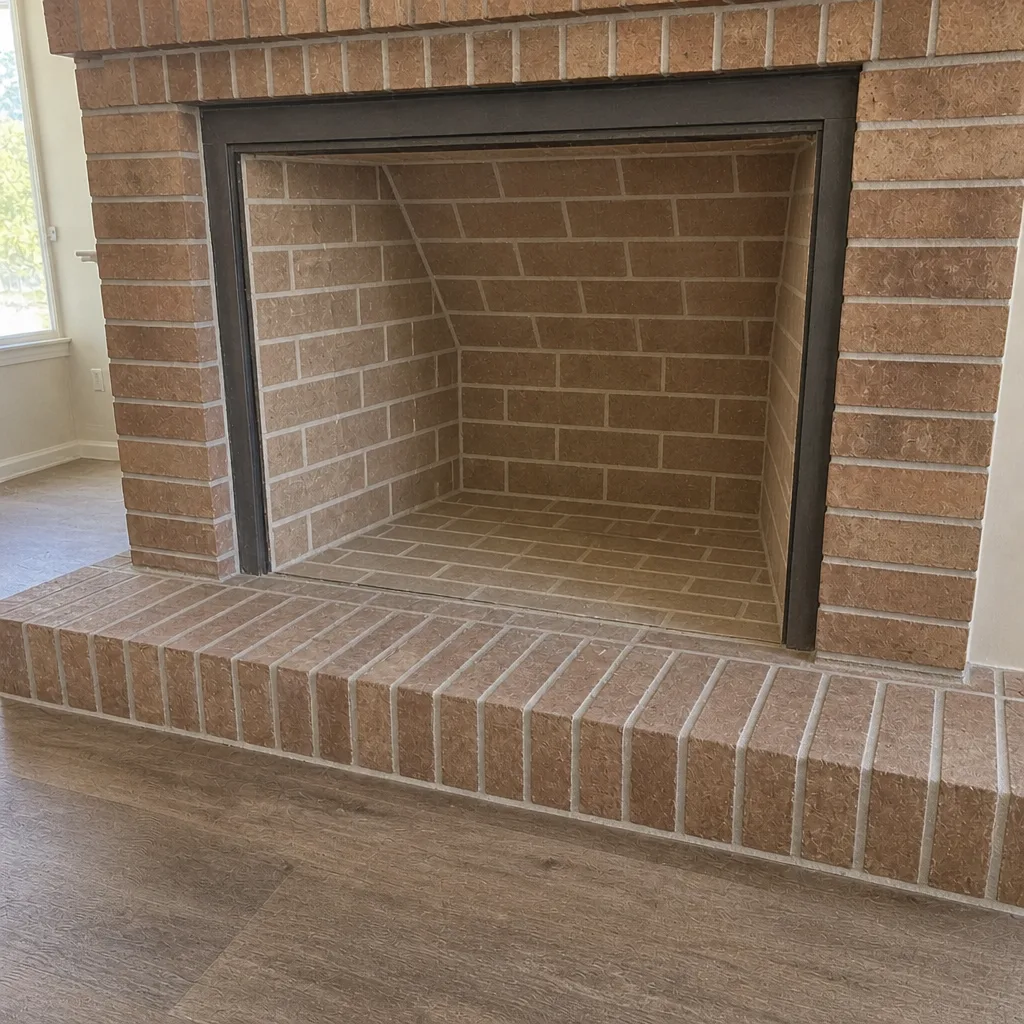
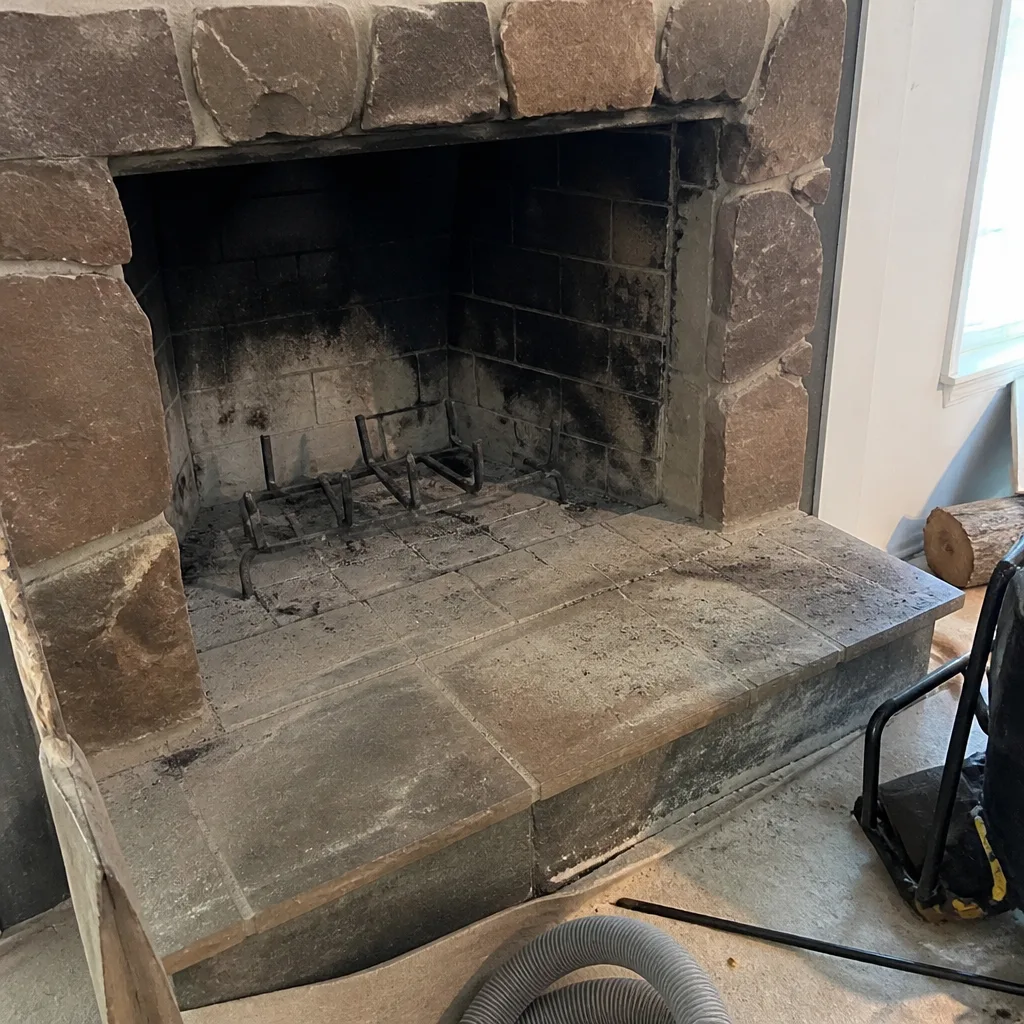
See the difference
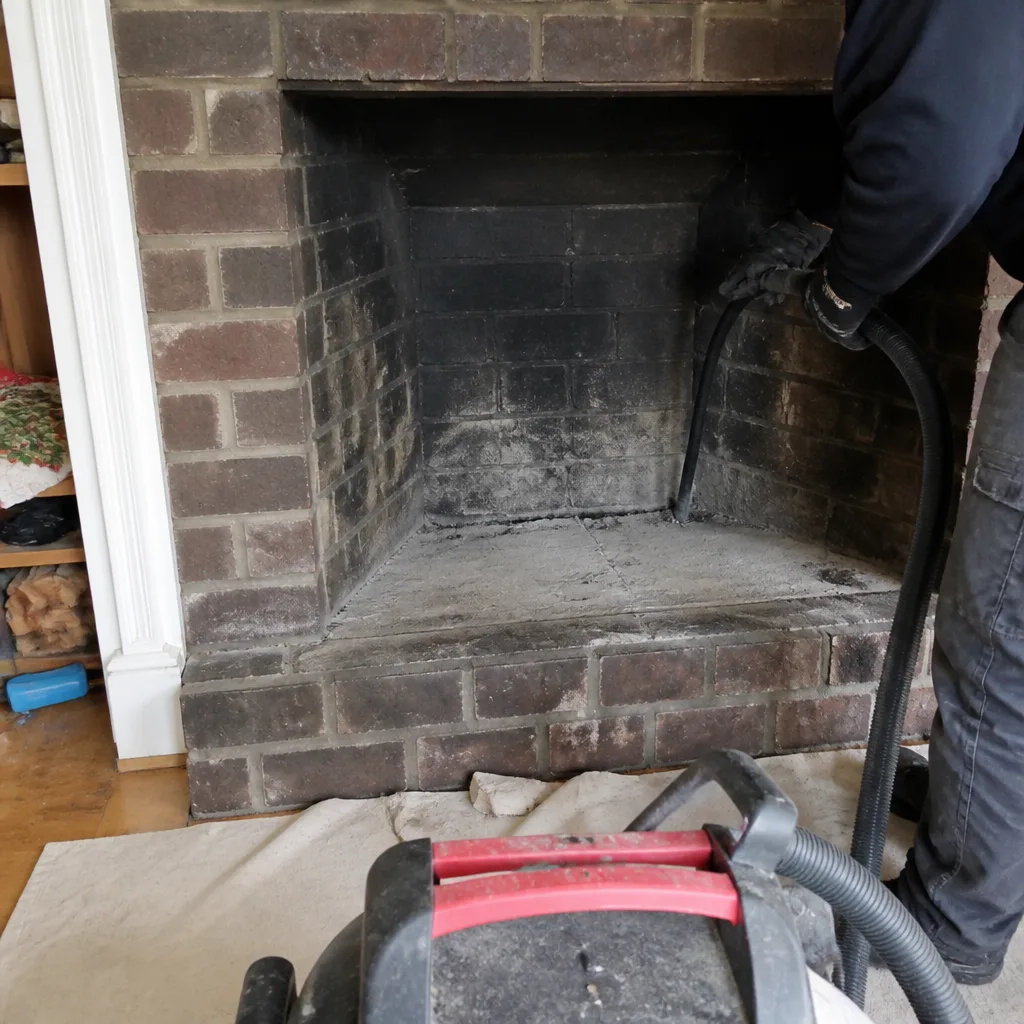 Before
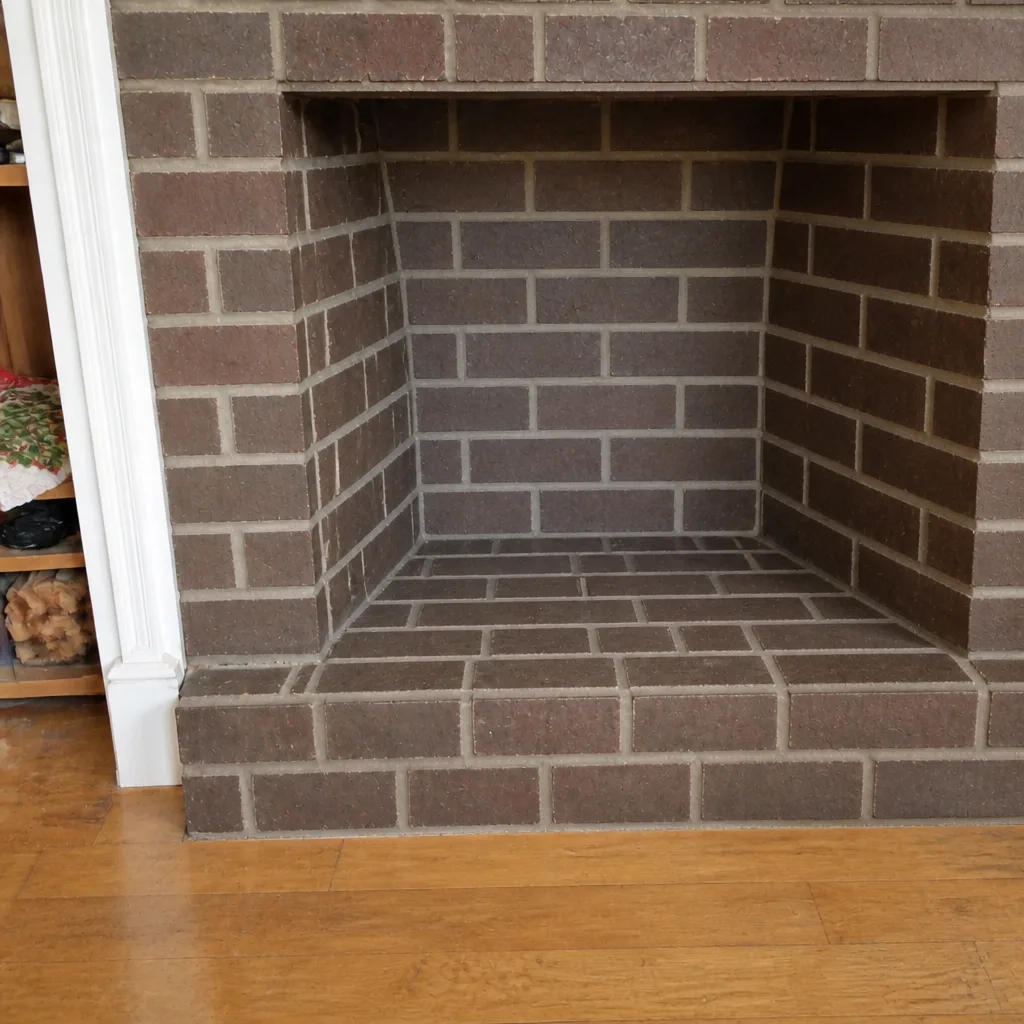 After
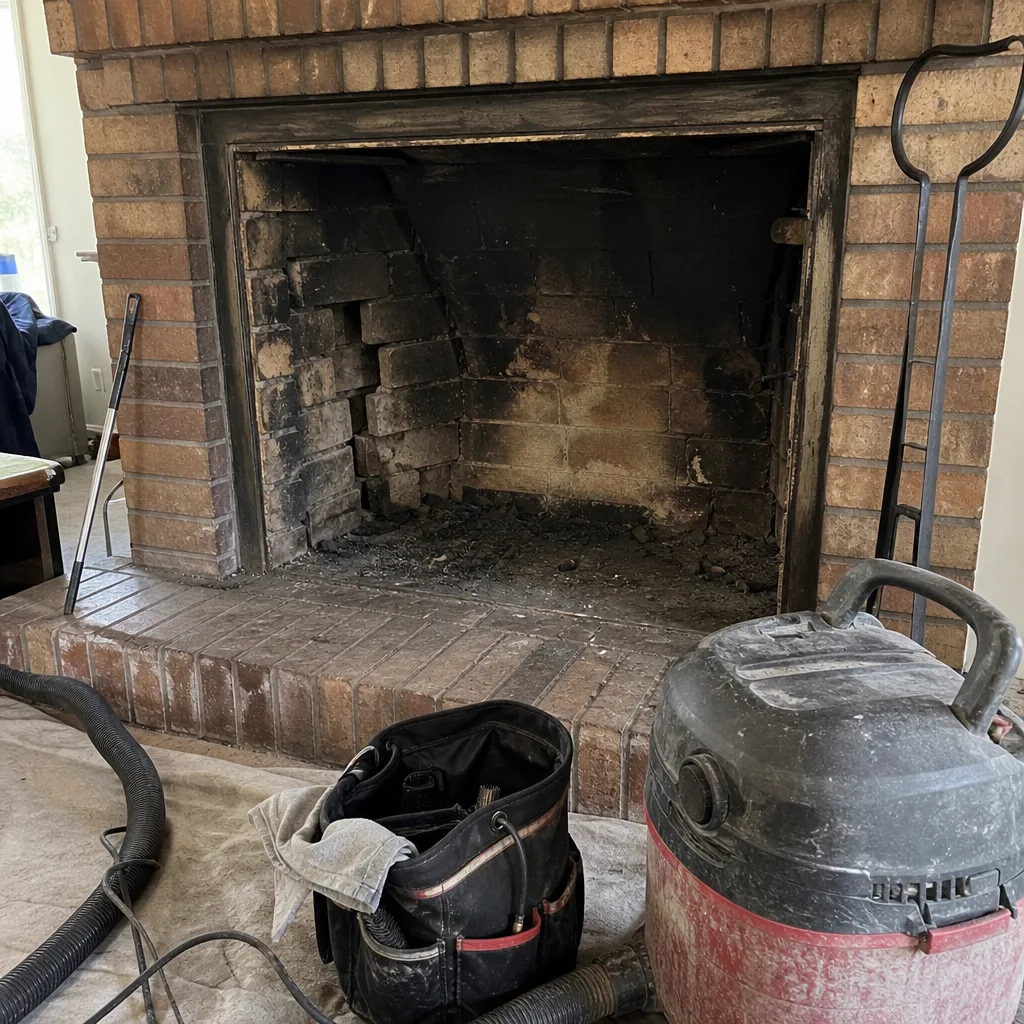 Before
 After
 Before
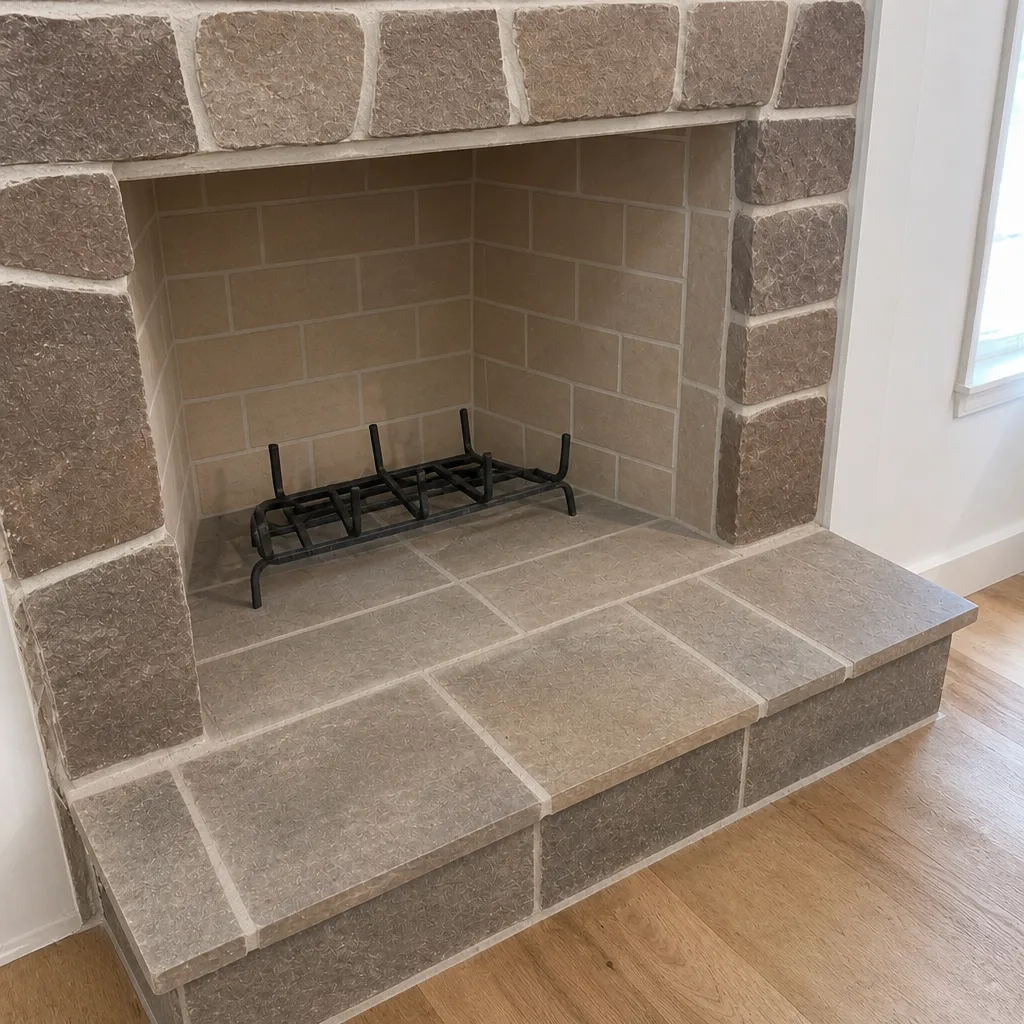 After
When to Call a Professional
Some problems are safe to monitor. Others are safe only until the next fire. Call us when you find a visible crack, gap, or separation in the flue liner, crumbling mortar inside the smoke chamber, a rusted-through damper or firebox panel, or smoke entering the living space during a fire. Call if you’ve had a chimney fire, even a small one you think went out. Call if white staining is spreading across the exterior masonry, if a cap or crown is visibly damaged, or if you’ve noticed a creosote smell in warm weather combined with any other symptom on this list. If your annual sweep is simply due, that’s a call too, and it’s the easiest kind to book.
Chimney Sweep Kaysville offers free estimates in Kaysville, and a camera inspection with a photo report is included so you see what we see. Call (844) 759-1416 for a free estimate. We answer 24/7. Fast dispatch from 7am to 7pm, Sunday through Friday. You can also see our full chimney sweep Kaysville services for the complete picture.
Frequently Asked Questions
A chimney sweep in Kaysville is priced per job by a written estimate, and the estimate is free. The exact cost depends on what we find: a standard sweep and inspection is one job, and a sweep combined with a repair is another. We agree the scope before booking, so the number on the estimate is the number you pay. Call (844) 759-1416 for an exact quote; estimates are free.
A sweep is enough when the flue tiles are intact and the only problem is buildup. A liner is called for when the camera shows visible cracks, gaps between tiles, or a liner pulled away from the wall, and the decision is made from the photo report, not a guess. HeatShield ceramic resurfacing can often restore a deteriorated flue without full liner replacement, which is why we inspect before we recommend. Call (844) 759-1416 for a free estimate and you’ll see the evidence we’re working from.
Once a year for most Kaysville households that burn regularly through the season, and more often if you burn hard wood fires often or notice buildup earlier. The annual sweep is best scheduled in late summer or early fall, before the heating season begins. If you’ve inherited an older system or just bought a home, an inspection first is the right starting point. Call (844) 759-1416 for a free estimate.
A summer smell is almost always draft reversal, not a build-up problem. When outdoor air is warmer than the air in the house, the chimney pulls air down instead of up, and stale flue air lands in the living space. The fix usually involves draft improvement, not another sweep, which is why an inspection is the right first step. Call (844) 759-1416 for a free estimate so we can read the actual cause.
Creosote accumulates on the flue walls with every fire, and once it reaches a heavy layer the risk of a chimney fire goes up and the flue is harder to clean safely. Moisture damage also progresses quietly if a cap or crown is failing, so a small repair today can grow into liner work later. Skipping a sweep doesn’t cause a problem overnight; it lets a small, cheap problem get bigger. Call (844) 759-1416 for a free estimate before the next burn season.
Often yes. Kaysville’s canyon drafts push cool air downslope in the evening, and that can stall or reverse a flue that draws fine earlier in the day. The symptoms can look like a blockage, but the cause is pressure. The right way to know is to inspect the flue and the draft together, not to schedule a sweep and hope. Call (844) 759-1416 for a free estimate and we’ll tell you which of the two it actually is.
The Bottom Line
Most chimney problems in Kaysville come down to reading the signal correctly. A smoky fireplace and a smelly fireplace need different fixes, and treating them as one is how a simple job becomes a bigger one. The monitor list tells you what can wait. The stop list tells you what can’t. Your self-check from the firebox, combined with a camera inspection and a photo report, tells you which branch of the decision tree you’re on: a sweep, a repair, or a liner job. We inspect before we recommend, so the evidence is always in your hands. That’s the point of the whole guide.
Whether you’re scheduling an annual sweep, chasing a draft problem, or deciding on cap and crown work, our technicians have up to 12 years of experience and the full scope to handle it. We cover fireplace repair through the firebox, and chimney repair for the structural work up top, with a curated set of professional-grade brands that includes HeatShield, DuraFlex, Gelco, Olympia Chimney, Famco, and Copperfield. Call (844) 759-1416 for a free estimate. We answer 24/7. Fast dispatch from 7am to 7pm, Sunday through Friday. The local pro is licensed and insured as their state requires, and the price is set per job by the written estimate.
Written by the team at Chimney Sweep Kaysville.