
Last updated November 24, 2026
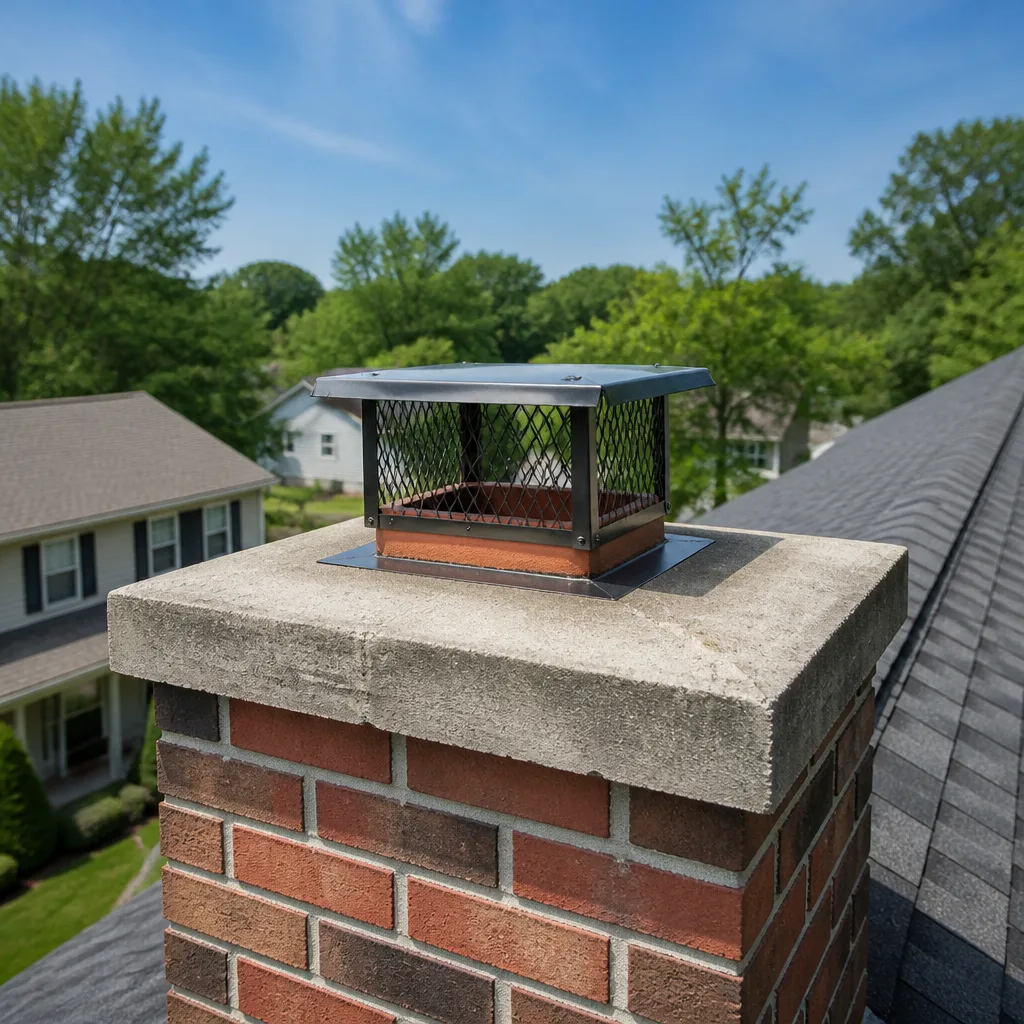 Sweep & inspection
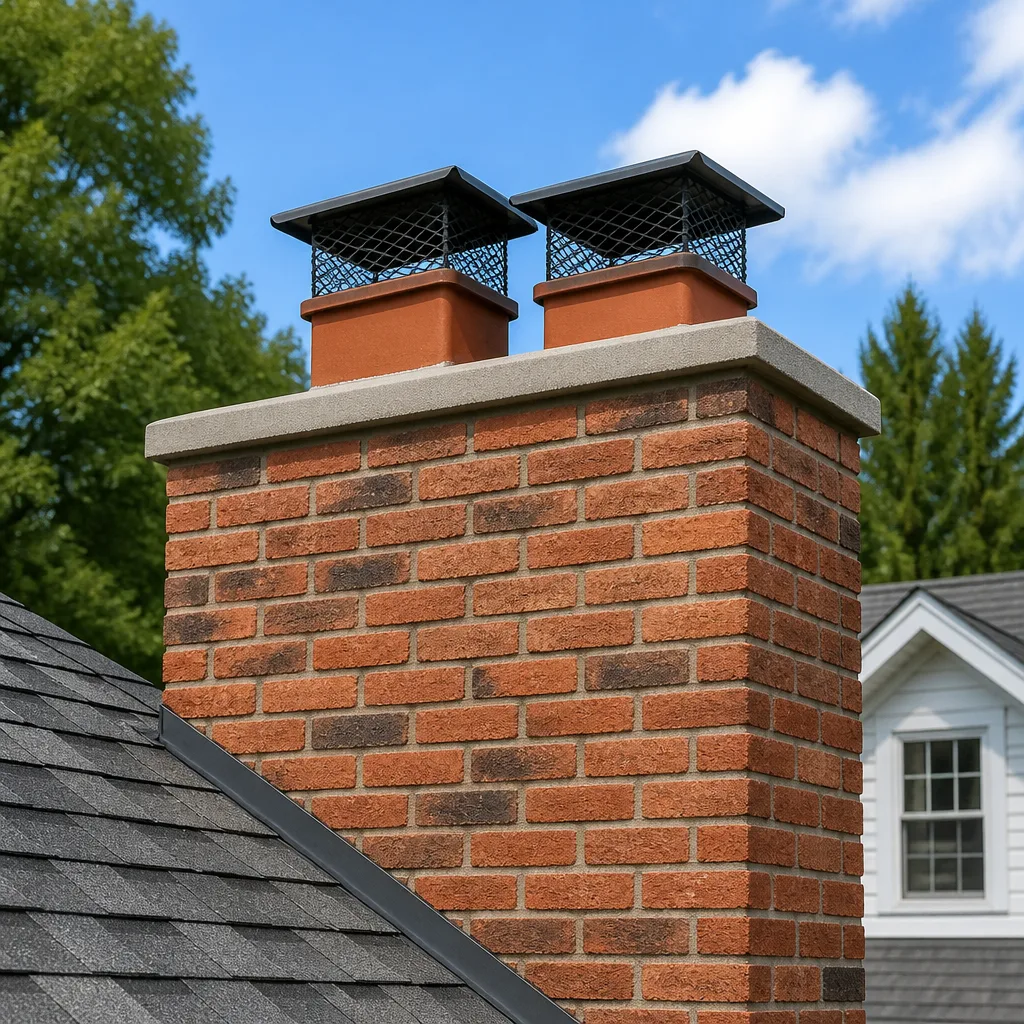 Caps & crowns
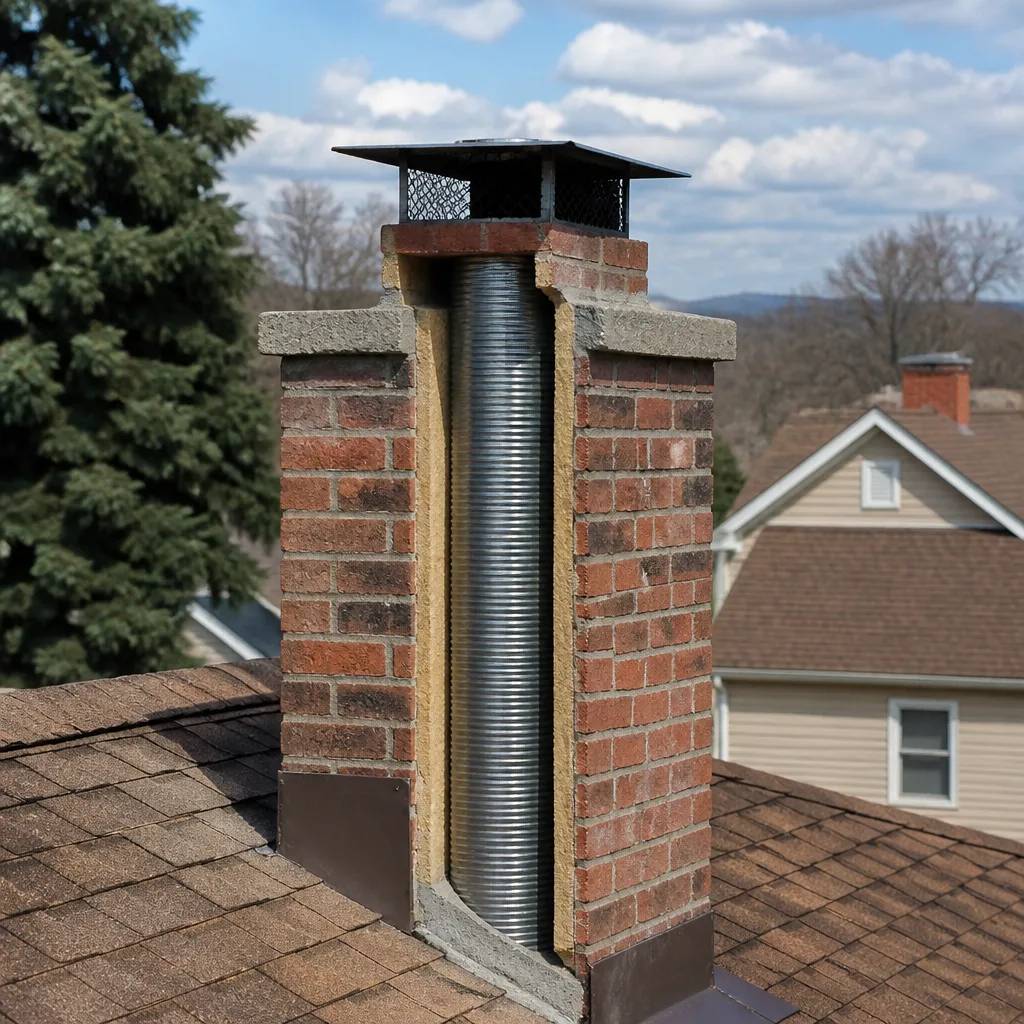 Flue relining
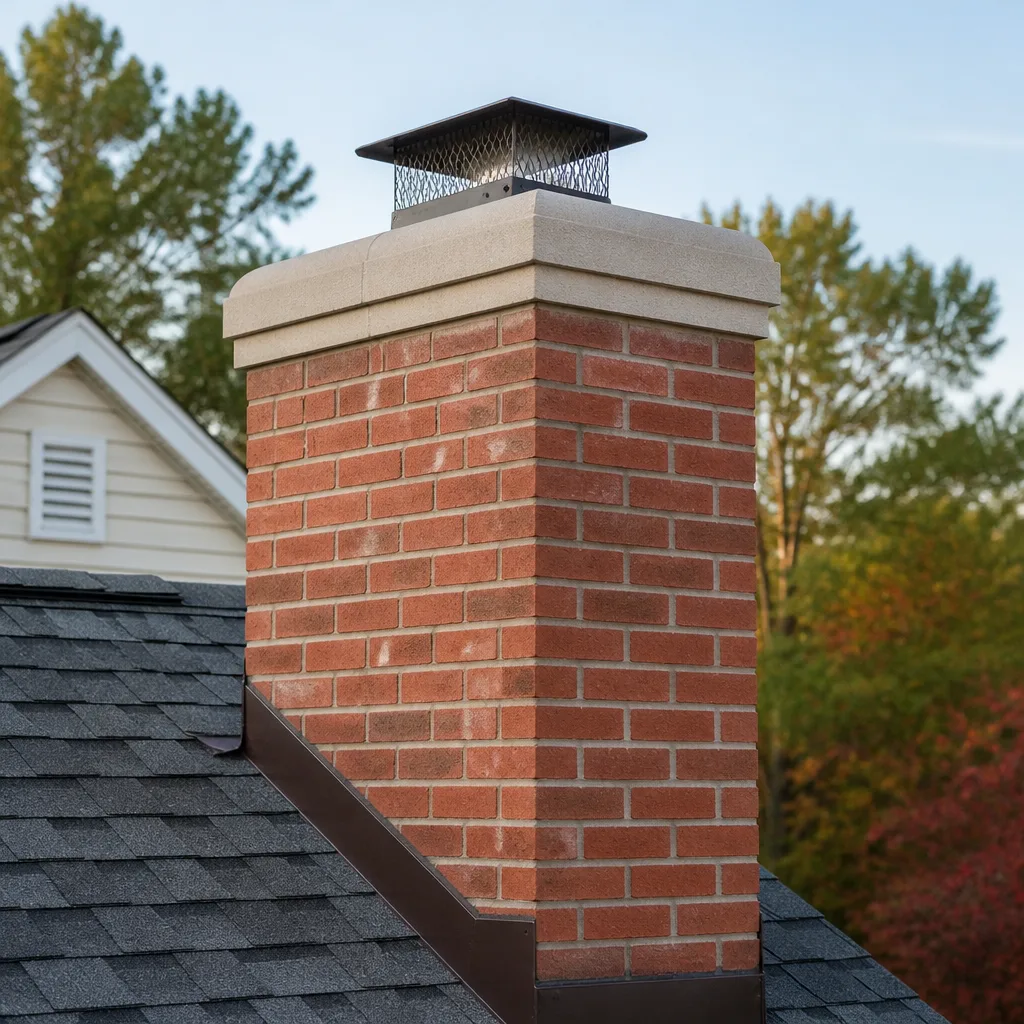 Masonry repair
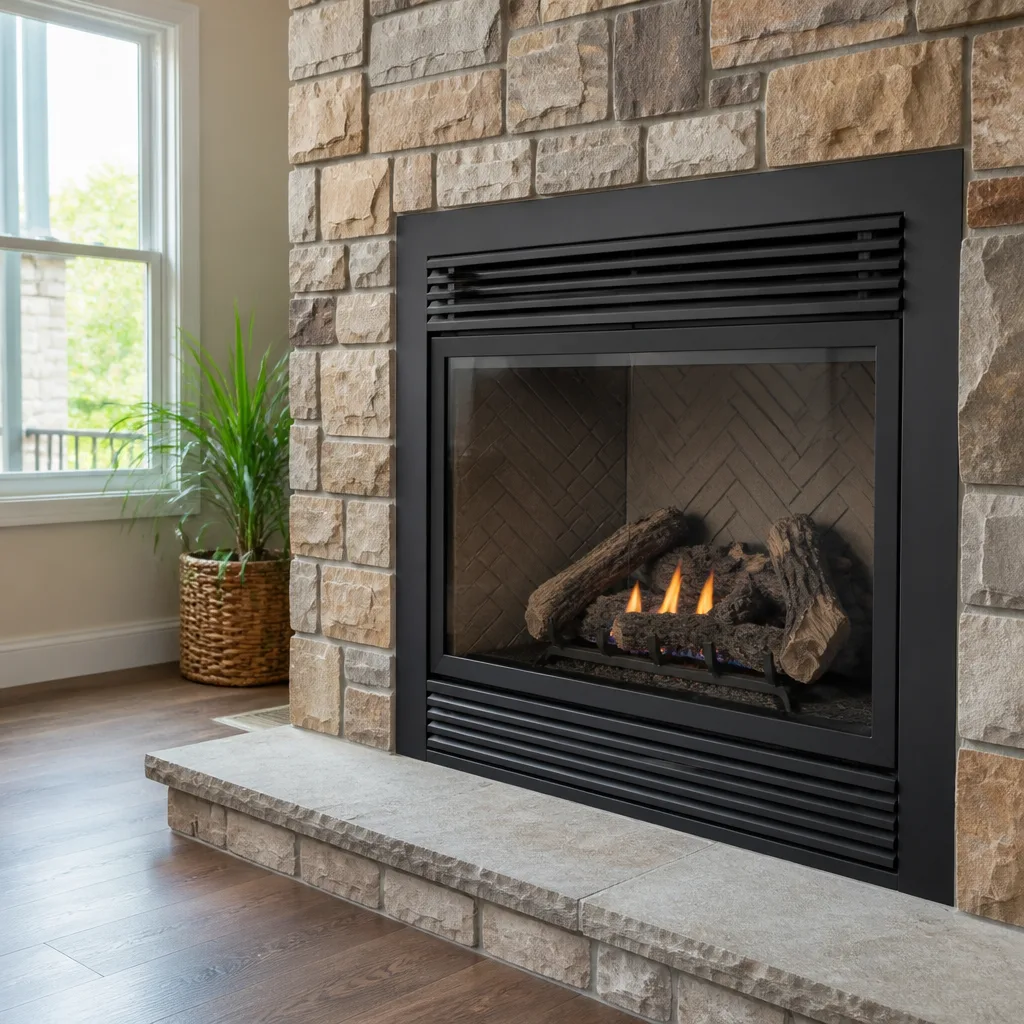 Gas fireplace service
Level 1 sweep and inspection to the NFPA 211 annual standard - flue, crown, cap, and flashing checked and photographed
Chimney sweep logs do not sweep chimneys. They loosen some creosote - which then falls where a brush and vacuum still have to collect it.
Seasonal Chimney Cleaning Care for Kaysville: Year-Round Homeowner’s Guide
Scheduling your chimney sweep in October feels responsible. The weather’s turning, the wood’s stacked, and you’re being proactive. But by October, any moisture damage that started during spring freeze-thaw cycles has already been sitting in your masonry for four months. Kaysville’s four-season climate doesn’t stress a chimney once a year. It stresses it in four distinct ways, and each season leaves its own mark on brick, mortar, liner, and cap. This guide walks through what actually happens to a chimney in Kaysville month by month, what to check in each window, and why the timing of your sweep and inspection matters as much as the work itself.
Quick Answer
Chimney care in Kaysville works best as a four-season cycle rather than a single annual event: inspect and repair in spring after freeze-thaw damage appears, clear nests and blockages in summer, sweep and prep in early fall before the first sustained cold snap, and manage burn habits through winter inversion season to slow creosote buildup. Scheduling your sweep in spring or early summer typically means better availability and faster turnaround than the October rush.
Styles & brands we work with
- Sweep & inspection
- Caps & crowns
- Flue relining
- Masonry repair
- Gas fireplace service
Table of Contents
- Why Kaysville’s Four Seasons Stress a Chimney Four Different Ways
- Spring: What Freeze-Thaw Cycles Leave Behind
- Summer: Nests, Blockages, and the Damage You Can’t See
- Fall: The Pre-Season Sweep and Inspection Timeline
- Winter: Managing Burn Loads Through Inversion Season
- Why Off-Season Scheduling Pays Off
- What a Proper Inspection Actually Covers
- Cap, Crown, Liner, and Firebox: One System, Four Layers
Why Kaysville’s Four Seasons Stress a Chimney Four Different Ways
A chimney in Kaysville doesn’t face one kind of wear. It faces four, and they arrive in sequence. Spring brings repeated freeze-thaw cycles as temperatures swing above and below freezing. Water gets into brick pores and mortar joints, freezes overnight, expands, and pushes the material apart a little more each time. Summer brings heat and nesting wildlife. Fall brings the transition to regular burning. Winter brings sustained burn loads during inversion season, when the valley traps cold air and homeowners burn more consistently than at any other time of year.
The problem with treating chimney care as a single annual event is that each season’s damage has time to compound before you address it. A hairline crack in the crown that opens in March will let water into the masonry all summer. A nest built in June will sit in the flue until your fall sweep. Creosote that accumulates through December and January glazes harder the longer it sits.
We inspect before we recommend, and that principle applies to timing too. The right question isn’t “when should I get a sweep?” It’s “what should I be looking at right now, given what the last season did?”
Here’s the seasonal map we use with Kaysville homeowners:
- Spring: structural inspection – spalling brick, failed mortar, cap and crown damage
- Summer: flue check for nests and blockages; best window for liner work
- Fall: sweep and pre-season inspection before sustained burning begins
- Winter: burn management – wood moisture, burn frequency, creosote awareness
Each of those windows gets its own section below, with what to look for and what the work typically involves.
Spring: What Freeze-Thaw Cycles Leave Behind
Spring is when a Kaysville chimney shows you what winter did to it. The freeze-thaw cycle is the single most destructive force on masonry in this climate, and it works quietly. Water absorbs into brick and mortar during mild days, freezes at night, expands roughly nine percent as it turns to ice, and forces the material apart. Repeat that cycle dozens of times between February and April, and you get the three failures we see most often.
Spalling brick
Spalling is when the face of a brick flakes, peels, or pops off. It happens when moisture trapped inside the brick pushes outward as it freezes. Look at the chimney’s exterior from ground level and from a ladder if you can safely view it. Spalled brick often shows as a rough, pitted face or a pile of brick fragments on the roof or ground below the chimney. Spalling brick is more than cosmetic: once the face is gone, the brick absorbs water faster.
Failed mortar joints
Mortar is softer than brick and fails first. Recessed, crumbly, or missing mortar between bricks lets water straight into the chimney’s core. Run a finger along a joint if you can reach one safely; if it crumbles, it’s failing. Horizontal cracks or stair-step cracks in the mortar are worth a professional look, because they can signal movement in the chimney structure itself.
Cap and crown damage
The crown is the sloped concrete or masonry surface at the very top of the chimney, and the cap covers the flue opening. Together they’re the chimney’s first defense against water. A cracked crown, a crown pulling away from the flue, or a missing or damaged cap lets water pour straight down the flue all summer. That’s the damage that sits for four months. We install and repair crowns and caps as part of our chimney repair work, and spring is the right time to catch these failures before the summer rain season gets to work.
A spring checklist
- Walk the exterior and look for spalling brick, crumbling mortar, and rust stains (a sign of water running down the flue).
- Check the crown for cracks and the cap for damage or missing screens.
- Look for white, chalky staining on the brick, which can indicate moisture moving through the masonry.
- Check the firebox and damper area for water staining or rust that appeared over winter.
- Book an inspection if anything on that list turns up. Spring inspections catch damage while it’s still small.
If your fireplace itself took a beating over winter, our fireplace repair service covers the firebox, damper, and firebox mortar as well as the flue above it.
Summer: Nests, Blockages, and the Damage You Can’t See
Summer is the season of the unseen blockage. Chimneys are prime real estate for birds and squirrels, and an uncapped or damaged-cap flue is an open door. A nest built in the flue in June doesn’t just sit there harmlessly. It blocks the flue’s cross-section, reduces draft, and becomes a combustible obstruction the moment you light the first fire in fall. Squirrels and birds also bring nesting material, droppings, and sometimes young, which complicates removal.
This is one of the strongest arguments for inspecting your chimney in summer. A nest is almost never visible from the firebox, and it’s not something to investigate yourself from the roof.
What to check for
- Scratching, chirping, or flapping sounds from the flue during the day.
- Nesting material, twigs, or droppings visible at the damper or in the firebox.
- A cap that’s missing, loose, or has torn screening (the most common entry point).
- Reduced draft or smoke backing into the room when you test the flue.
How nest removal should work
- A professional inspects the flue with a camera to locate the nest and confirm it’s the only obstruction.
- The flue is cleared using the appropriate tools for the obstruction type, with the firebox sealed to contain debris.
- The flue is swept afterward to remove nesting residue and any creosote the obstruction disturbed.
- The cap and screen are repaired or replaced so nothing else gets in.
Never try to burn a nest out or reach into a flue to pull one out. A blocked flue is a carbon monoxide hazard, and a nest full of dry material is a fire hazard. Leave the removal to a technician with the right tools and camera equipment.
Summer is also the best window for liner work
If your inspection turned up a deteriorated flue liner, summer is when you want to address it. A cracked or spalled clay liner allows combustion gases into the structure of your home, and it also lets heat reach combustible material around the chimney. HeatShield ceramic resurfacing is one option we’re certified to apply: it restores flue integrity without the cost and disruption of a full liner replacement. When a full liner is the right call, we install DuraFlex flexible liner systems. Either way, doing the work in summer means the system is sound before fall.
Our chimney sweep service includes the camera inspection and photo report that tells you exactly what’s in the flue, so you can see the evidence for yourself before anyone recommends liner work.
Fall: The Pre-Season Sweep and Inspection Timeline
Fall is the season everyone thinks of for chimney care, and it does matter. The first sustained cold snap in Kaysville usually arrives sometime in October or early November, and once you’re burning regularly, you’ve lost the window for pre-season work. The right timeline works backward from that cold snap.
The fall timeline
- Six to eight weeks before the first cold snap: book your sweep and inspection. In northern Utah, that means scheduling in late August or early September.
- At the appointment: the flue is swept, the firebox and damper are checked, and the chimney is inspected. You get a camera inspection and a photo report.
- Within a week of the appointment: any repairs identified (cap, crown, mortar, firebox) are scheduled. Small repairs are quicker than they look if you’re on the calendar before the rush.
- Two to four weeks before burning season: confirm the system is ready: cap secure, crown sound, flue clear, damper operating.
- First fire: burn a small test fire and check the draft before committing to a full load.
Fall’s job is different from spring’s. Spring caught structural damage. Fall is about clearance. A sweep before the season removes the creosote and soot that accumulated last winter, clears any summer nest material, and confirms the flue is ready for sustained burning. If your chimney hasn’t been swept in a while, we recommend a Chimney Sweep Kaysville service call before you light up, because burning on top of old creosote is how chimney fires start.
One thing fall is not: a good time to discover you need liner work. If a fall inspection turns up a cracked liner, you’re weighing a repair against a burning season you’ve already planned around. That’s the argument for the summer inspection.
Winter: Managing Burn Loads Through Inversion Season
Winter is when Kaysville burns the most wood, and inversion season is the reason. When a temperature inversion settles over the valley, cold air gets trapped near the ground, and homeowners burn more consistently to keep the house warm. That sustained, high-frequency burning is what drives creosote accumulation, and it’s why winter habits matter as much as winter maintenance.
Wood moisture is the biggest lever
Creosote forms when smoke cools before it exits the chimney. Wet wood produces more smoke, more unburned material, and more creosote. Seasoned firewood (dried for a season, ideally split and stacked with airflow) burns hotter and cleaner than green wood. If you’re not sure your wood is ready, split a piece and check the inside: it should be dry and lighter in color, not damp or green.
Burn frequency and flue temperature
Long, slow, smoldering fires produce more creosote than hot, efficient fires. In inversion season, when you’re burning for hours at a time, watch for a flue that’s cool at the top. A smoky smell in the room or a fire that won’t draft well are signs the flue isn’t pulling properly. Creosote that accumulates through the winter should be removed before the next season, which is why spring is the natural follow-up to a heavy winter.
What to watch for mid-season
- Creosote buildup: sooty, flaky, or glazed deposits visible at the damper or in the firebox.
- Smoke entering the room rather than going up the flue.
- A cap that’s been damaged by snow, ice, or wind.
- Any change in draft, sound, or smell from one fire to the next.
If you notice any of these, stop burning and book an inspection. Don’t wait for spring if you’re seeing smoke in the room or a glazed creosote buildup, because a glazed creosote fire is the one that gets out of hand. A camera inspection and photo report tells you exactly what’s in the flue, so you can make an informed decision about whether it can safely wait.
Winter is also when fireplace failures get noticed: a firebox crack, a damper that won’t seal, a hearth that’s pulling away. Our fireplace repair work covers fireboxes, dampers, and hearths, and we can work with your insurer on covered damage if that applies.
Why Off-Season Scheduling Pays Off
Here’s the counterintuitive part of seasonal chimney care: the best time to book your sweep and inspection is the season most homeowners skip. Spring and early summer are when chimney contractors have the most open calendar. When you book off-season, three things happen:
- Better availability: you get the appointment time you want rather than the leftover slots in the October backlog.
- Faster turnaround on repairs: if the inspection turns up cap, crown, or mortar work, you’re not competing with the pre-season rush for the next available slot.
- Lower typical pricing in the market: when demand is lower, chimney contractors in this area tend to price the work more competitively. It’s not a discount; it’s a market effect. Estimate ranges in Kaysville for a standard sweep typically land between about $150 and $300 depending on the flue configuration, and off-season pricing tends to sit toward the lower end of that range.
We book sweeps and inspections year-round, and we’d rather see a system twice a year (once in spring for a structural look, once in fall for a pre-season sweep) than see a homeowner catch up on four seasons of damage every October.
What off-season looks like for the system
- Spring: structural inspection – brick, mortar, crown, cap. Repairs scheduled.
- Early summer: liner work if the inspection identified it. Flue cleared of any nesting.
- Late summer: sweep scheduled and confirmed ahead of the fall rush.
- Fall: pre-season sweep and confirm, with the system already sound.
- Winter: burn management and awareness; creosote cleared in spring.
The off-season windows are the ones that let you prevent damage rather than catch up to it. That’s the difference in practice.
What a Proper Inspection Actually Covers
An inspection is not a sales visit, and we offer it as a standalone service rather than only as an add-on to a sweep. That matters because a diagnostic-first inspection tells you what’s actually wrong before anyone recommends anything. Here’s what a proper inspection covers.
- Flue: camera inspection of the liner for cracks, gaps, spalling, and creosote buildup. The photo report lets you see what we see.
- Firebox: cracks in the firebox walls and floor, failed firebox mortar, and damage to the fireback.
- Damper: operation, seal, and rust.
- Smoke chamber and flue transition: the offset where the firebox meets the flue, which is a common failure point.
- Crown and cap: cracking, separation, and screening condition.
- Exterior masonry: spalling, mortar joint condition, and any structural movement.
- Chimney height and clearances: whether the chimney meets the clearances required by local code. Most cities require a permit for chimney structural work, so ask the Kaysville building department before any repair is scheduled.
If a repair is recommended, we show the camera evidence and explain what can safely wait and what can’t. We’d rather tell you a cracked crown is fine for another season than sell you a rebuild you don’t need. We inspect before we recommend, and we back that with the photo report.
Cap, Crown, Liner, and Firebox: One System, Four Layers
A chimney is four layers working together, and a problem in one layer usually stresses the others. Understanding the layers explains why a sweep-only approach leaves gaps.
The cap and crown
The cap covers the flue opening; the crown is the sloped surface that sheds water away from the flue. They’re the chimney’s first defense against water intrusion, and water intrusion is the most common cause of chimney damage we see in Kaysville. A cracked crown or a missing cap lets water into the flue and masonry all summer. Cap and crown installation and repair are things we do as a standard service, not a specialty add-on.
The flue liner
The liner is the flue’s inner wall, and it’s what keeps combustion gases inside the flue rather than in your home’s structure. A cracked or spalled liner allows combustion gases into your living space, and it’s why liner condition is the single most important thing an inspection checks. HeatShield ceramic resurfacing can restore a deteriorated flue without the cost and disruption of full demolition and rebuilding, and we install DuraFlex flexible liner systems when full relining is the right answer.
The firebox and damper
The firebox is where the fire burns, and the damper controls airflow. Cracks in the firebox and a damper that won’t seal are both fire and smoke hazards. We work with Gelco and Copperfield product lines for firebox and damper components, which are sourced by trained chimney professionals rather than DIY retail channels.
The exterior
Brick, mortar, and chimney structure take the freeze-thaw damage. Repointing mortar, replacing spalled brick, and repairing chimney structure are all part of our structural repair scope.
All five of our service categories (cleaning, inspection, cap and crown installation, fireplace repair, and structural repair) cover every layer of the system, so you’re not calling three contractors to fix one chimney.
Common Mistakes to Avoid
- Booking the sweep in October. By October, spring moisture damage has been sitting in the masonry for four months. Book in late summer or spring to catch damage while it’s small.
- Skipping the inspection because the sweep “looks fine.” A sweep clears the flue; it doesn’t inspect the crown, cap, liner, or firebox. The camera inspection is where you learn what’s actually happening inside.
- Burning unseasoned wood. Green or wet wood produces more smoke and more creosote. In inversion season, that buildup compounds faster than most homeowners expect.
- Ignoring a missing or torn cap screen. A torn screen is an open door for birds and squirrels. The flue is capped for a reason.
- Trying to clear a nest yourself. A blocked flue is a carbon monoxide hazard. Nest removal needs a camera to locate the obstruction and the right tools to clear it safely.
- Assuming a chimney fire is something you’d notice. Slow-burning chimney fires can go unnoticed. Creosote buildup is the fuel, and a sweep removes it before it becomes one.
- Waiting until something fails to inspect. A cap or crown crack caught in spring is a repair. The same crack caught in fall after a summer of water intrusion can mean structural work.
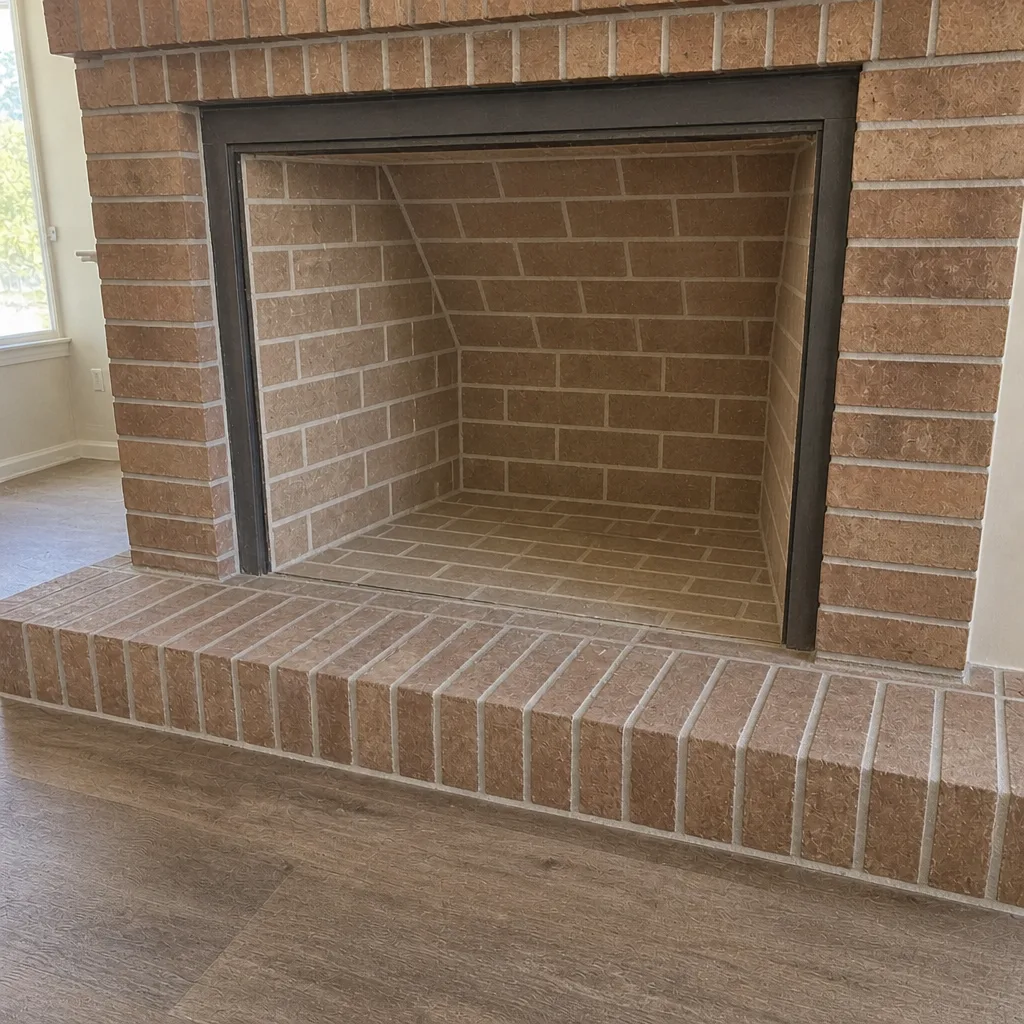
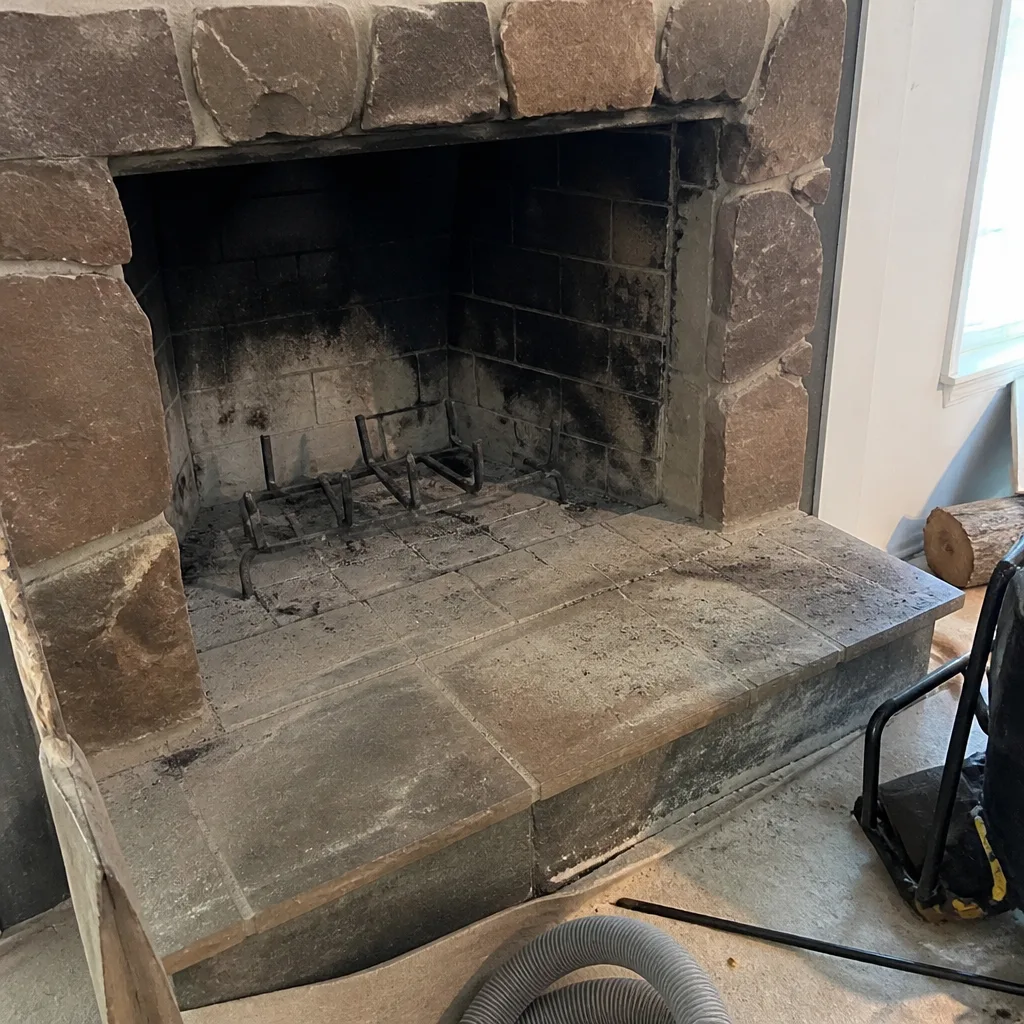
See the difference
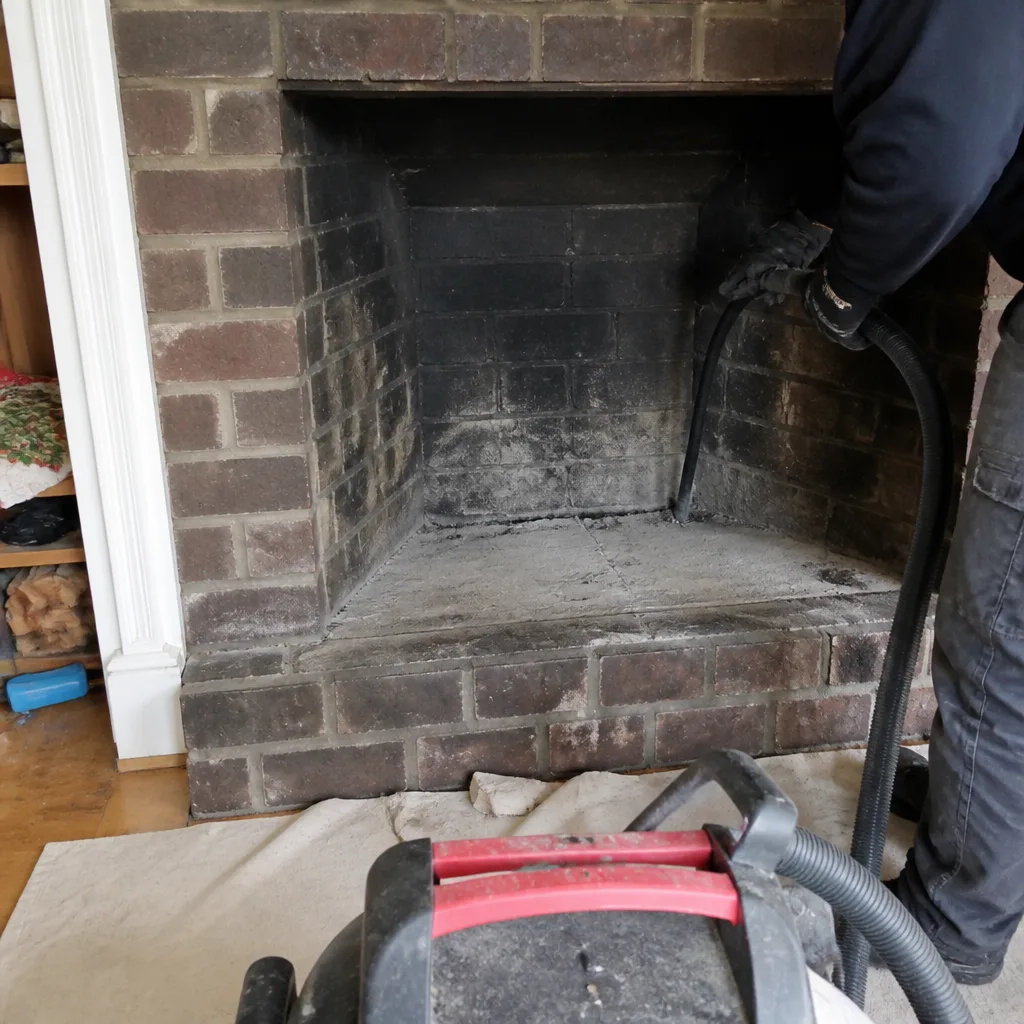 Before
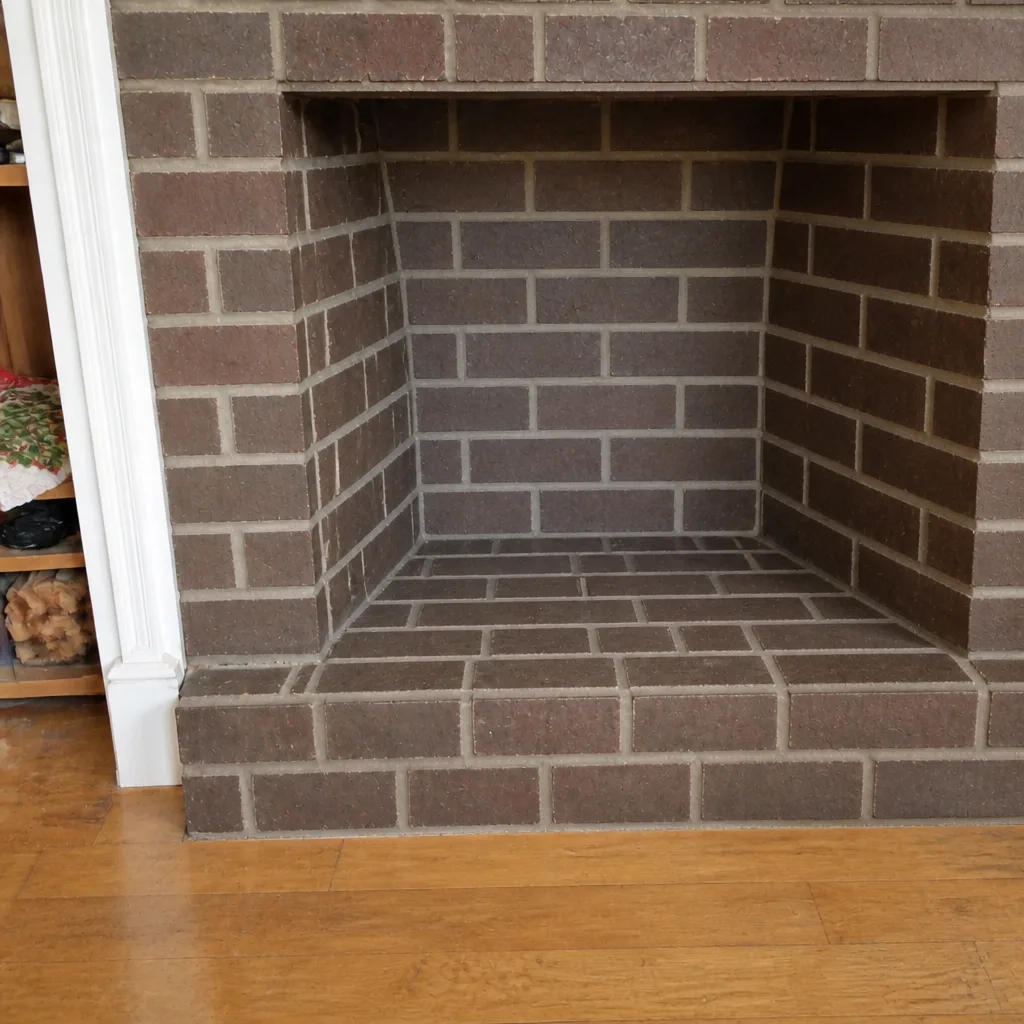 After
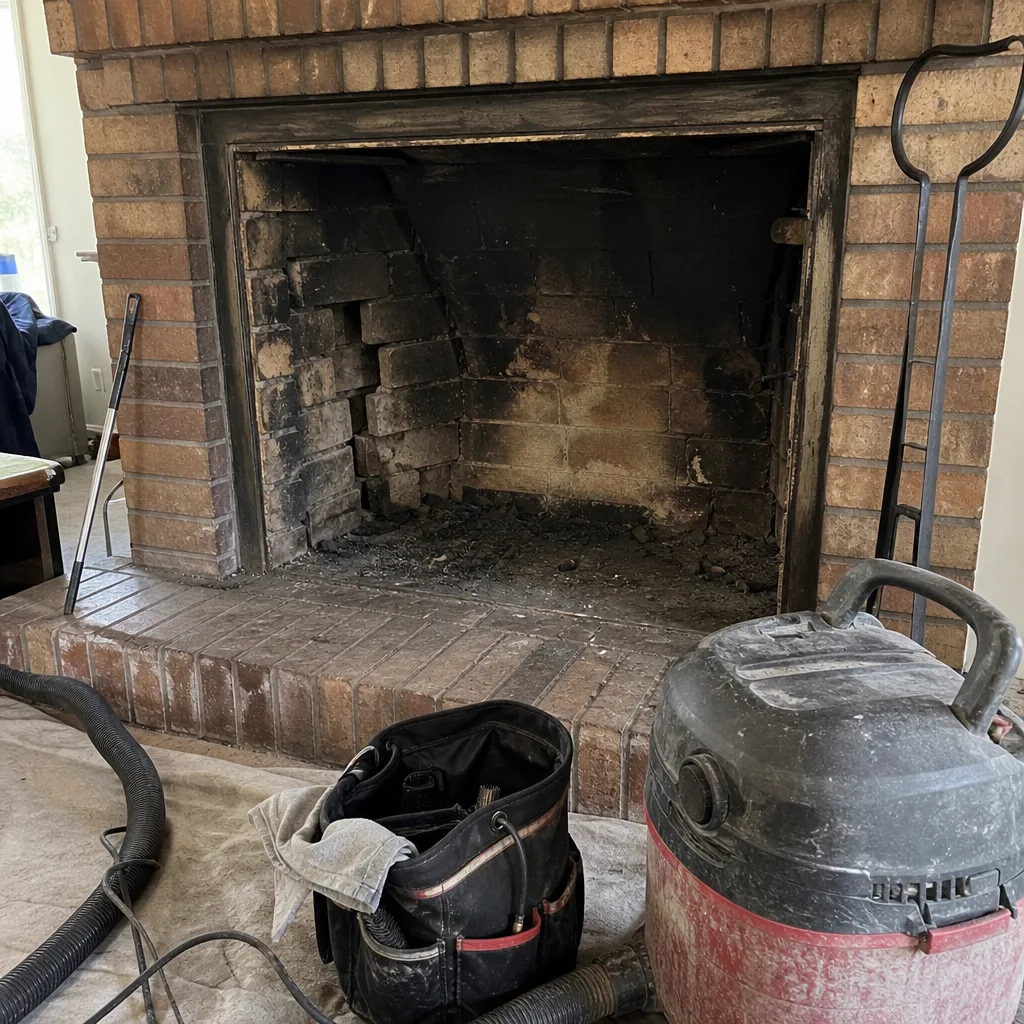 Before
 After
 Before
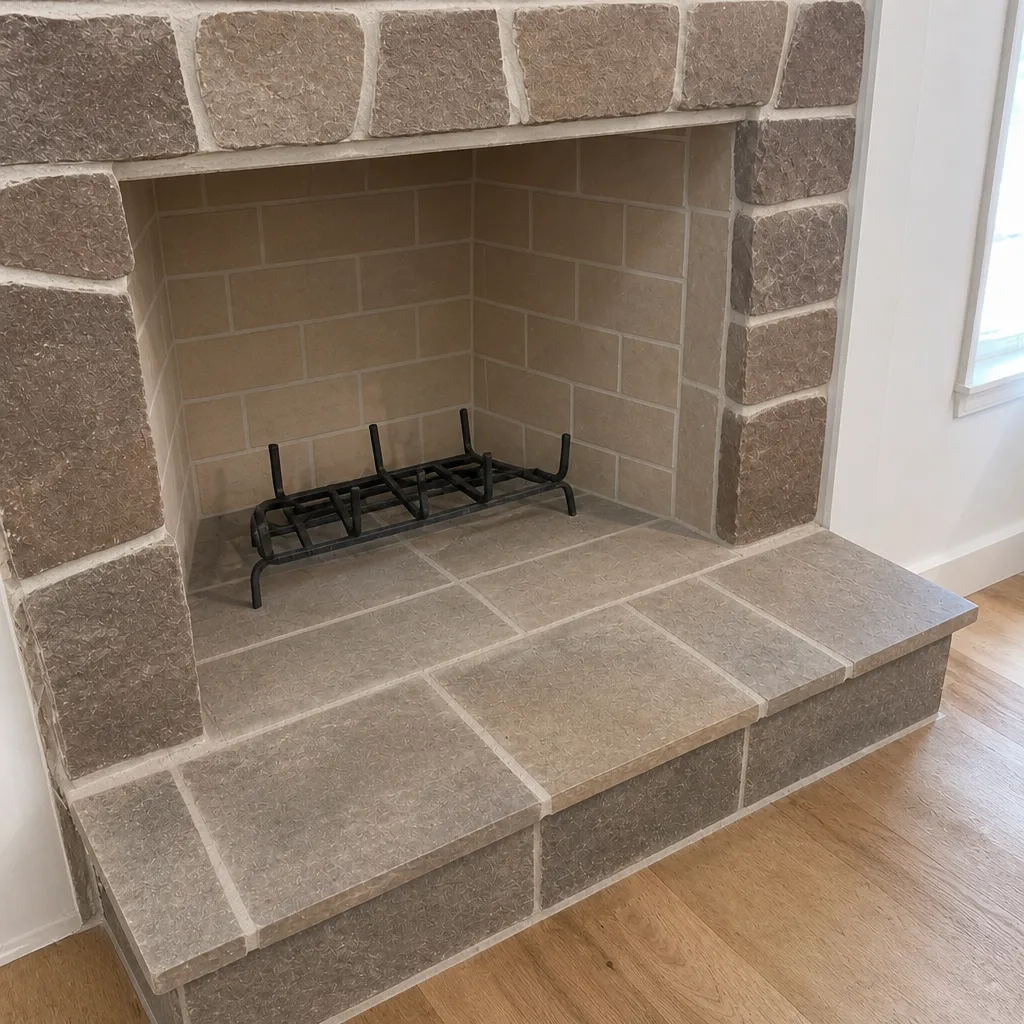 After
When to Call a Professional
Some chimney work is a judgment call. Some isn’t. Call us when you see smoke entering the room rather than going up the flue, when you smell smoke in the house during or after a fire, or when you notice sooty, flaky, or glazed deposits at the damper or in the firebox. Call if you’ve had a chimney fire, even a small one, and if you’re not sure whether you’ve had one. Call if the firebox or firebrick has visible cracks, if the damper won’t seal, if the exterior shows spalling brick or crumbling mortar, or if the crown is cracked or the cap is missing or torn. Call if you’ve moved into a home with an older chimney system and no service records, or if you’re burning a lot during inversion season and haven’t had a sweep this year. And call if a previous contractor recommended liner or masonry work and you want an inspection before committing. Chimney Sweep Kaysville offers free estimates in Kaysville: call (844) 759-1416. We answer 24/7. Fast dispatch from 7am to 7pm, Sunday through Friday, closed Saturday.
Frequently Asked Questions
Most Kaysville homeowners should have the chimney swept once a year, and inspecting twice a year (spring and fall) is the more reliable rhythm given freeze-thaw damage and inversion-season burn loads. If you burn frequently during inversion season, your flue may accumulate creosote faster than once-a-year burning, so a mid-season check is worth considering. Call (844) 759-1416 for an exact quote on a sweep; estimates are free.
Skipping a sweep lets creosote and soot accumulate inside the flue, and that buildup is the fuel for a chimney fire. It also means a cracked liner, a failing crown, or a summer nest can go undetected, which are the conditions that allow combustion gases into your living space. The risk isn’t theoretical, it’s cumulative. Call (844) 759-1416 to book a sweep and inspection before the next burning season.
A liner replacement is only needed when the camera inspection shows the existing liner is cracked, spalled, or separated, and the fix isn’t always a full replacement. HeatShield ceramic resurfacing can restore a deteriorated flue without full relining in some cases. We show the camera evidence and photo report before recommending anything, and we’ll tell you plainly when work can safely wait. Call (844) 759-1416 for an inspection with your own photos to review.
Spring and early summer give you better contractor availability, faster turnaround on any repairs the inspection identifies, and typically more competitive pricing than the October rush. More importantly, scheduling off-season means you’re addressing damage in the season it appears rather than catching up to four months of it. Call (844) 759-1416 to book a spring or summer appointment.
No. A blocked flue is a carbon monoxide hazard, and pulling a nest out without a camera means you can’t confirm the obstruction is fully cleared. Nest removal should include a camera inspection, a post-removal sweep, and a check of the cap and screen. Call (844) 759-1416 and we’ll inspect and clear it properly; estimates are free.
A spring inspection focuses on structural damage from the freeze-thaw cycle: spalling brick, failed mortar, cracked crowns, and damaged caps. A fall sweep focuses on clearance: removing creosote and any summer nest material so the flue is ready for sustained burning. Both matter, and together they’re what keep a Kaysville chimney from catching up to damage all season. Call (844) 759-1416 to schedule either one.
The Bottom Line
Kaysville’s four-season climate puts four different kinds of stress on a chimney every year, and a single annual sweep only addresses one of them. Spring inspections catch freeze-thaw damage while it’s still a repair. Summer clears the nests and blockages that become fire hazards and the best window for liner work. Fall sweeps and preps the flue before the first sustained cold snap. Winter is about burn management and creosote awareness through inversion season. Booking off-season means better availability and faster turnaround on any repairs. We inspect before we recommend, with a camera inspection and photo report, and we’ll tell you plainly when work can wait. Call (844) 759-1416 for a free estimate. We answer 24/7. Fast dispatch from 7am to 7pm, Sunday through Friday, closed Saturday.
Written by the team at Chimney Sweep Kaysville.