
Last updated November 24, 2026
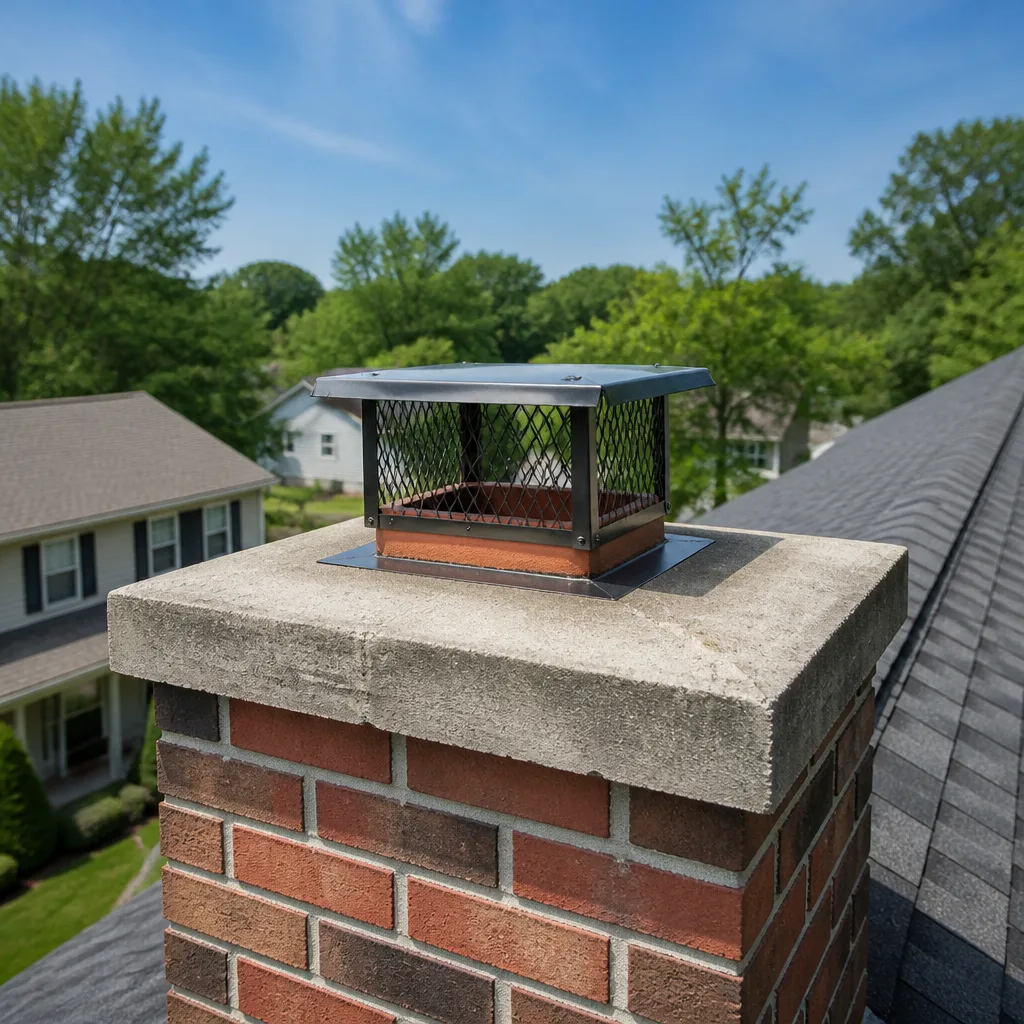 Sweep & inspection
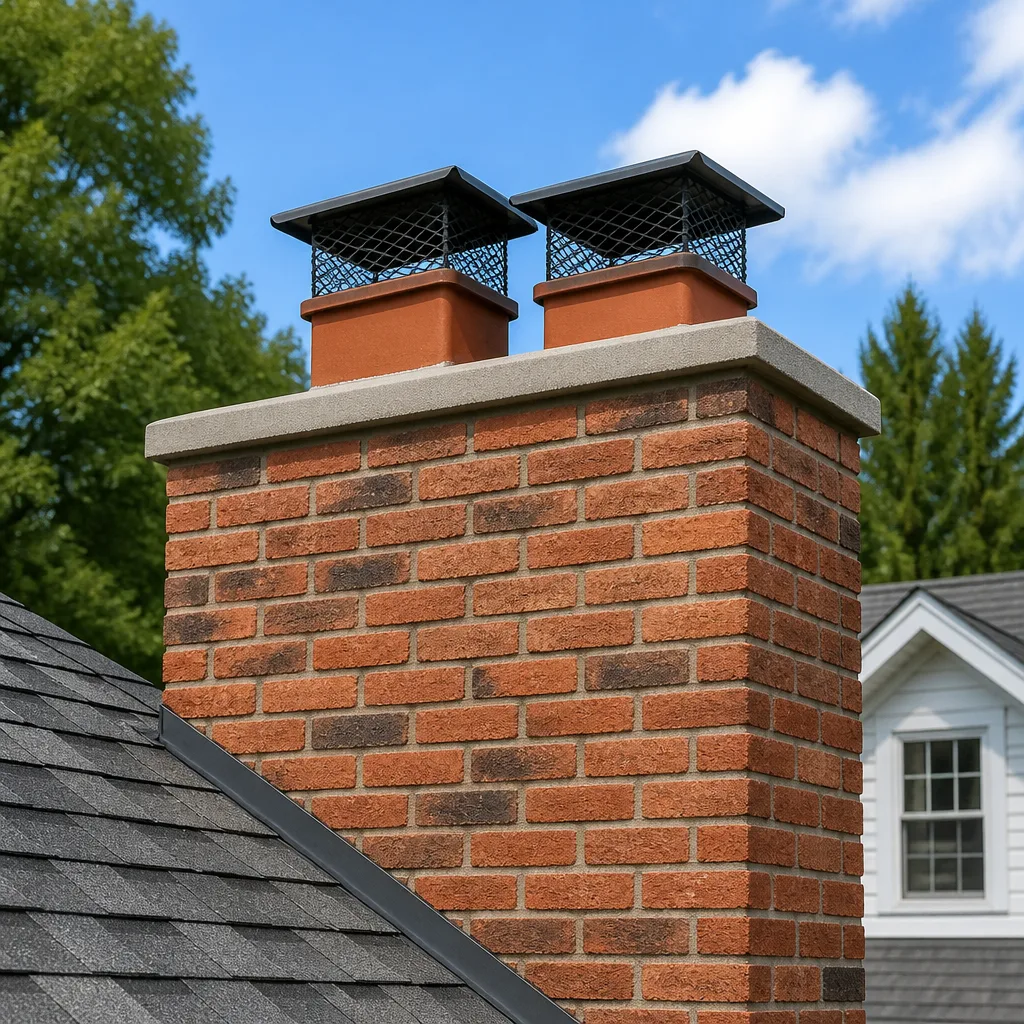 Caps & crowns
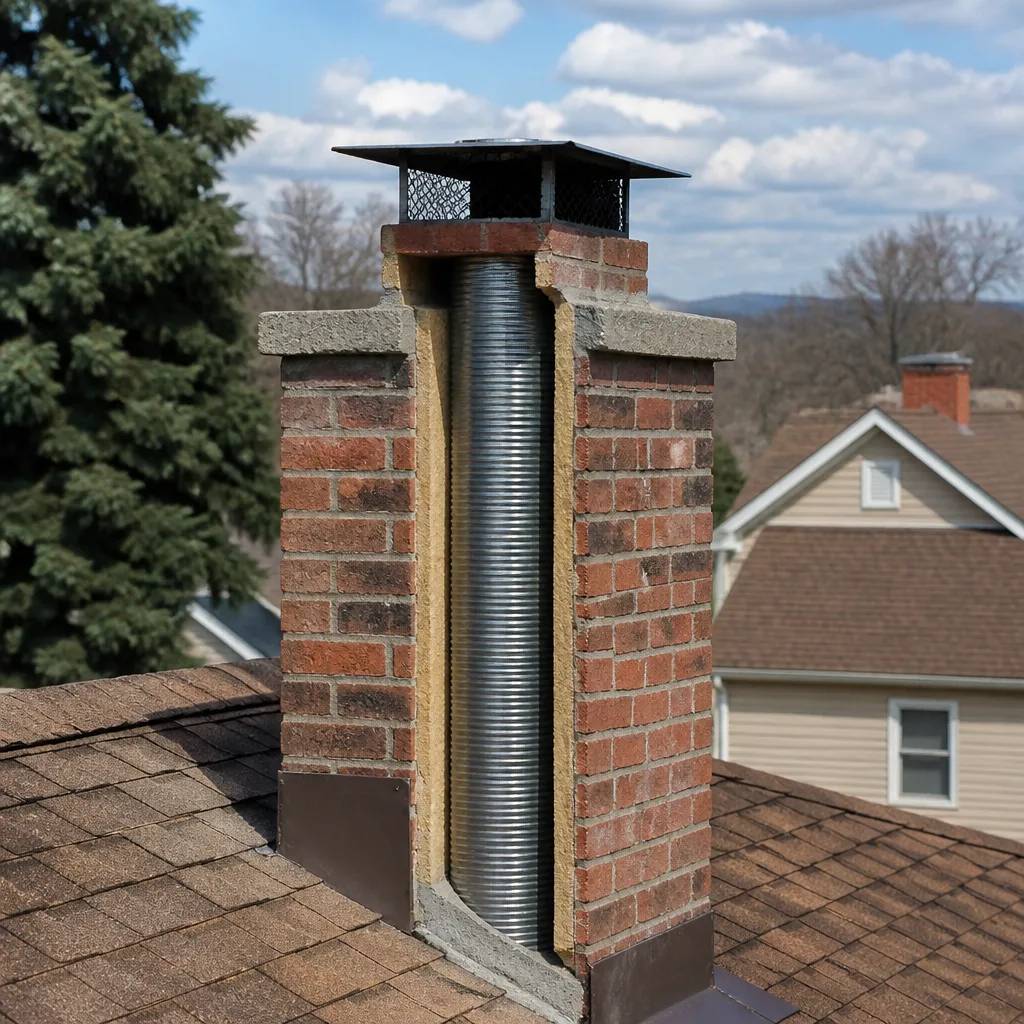 Flue relining
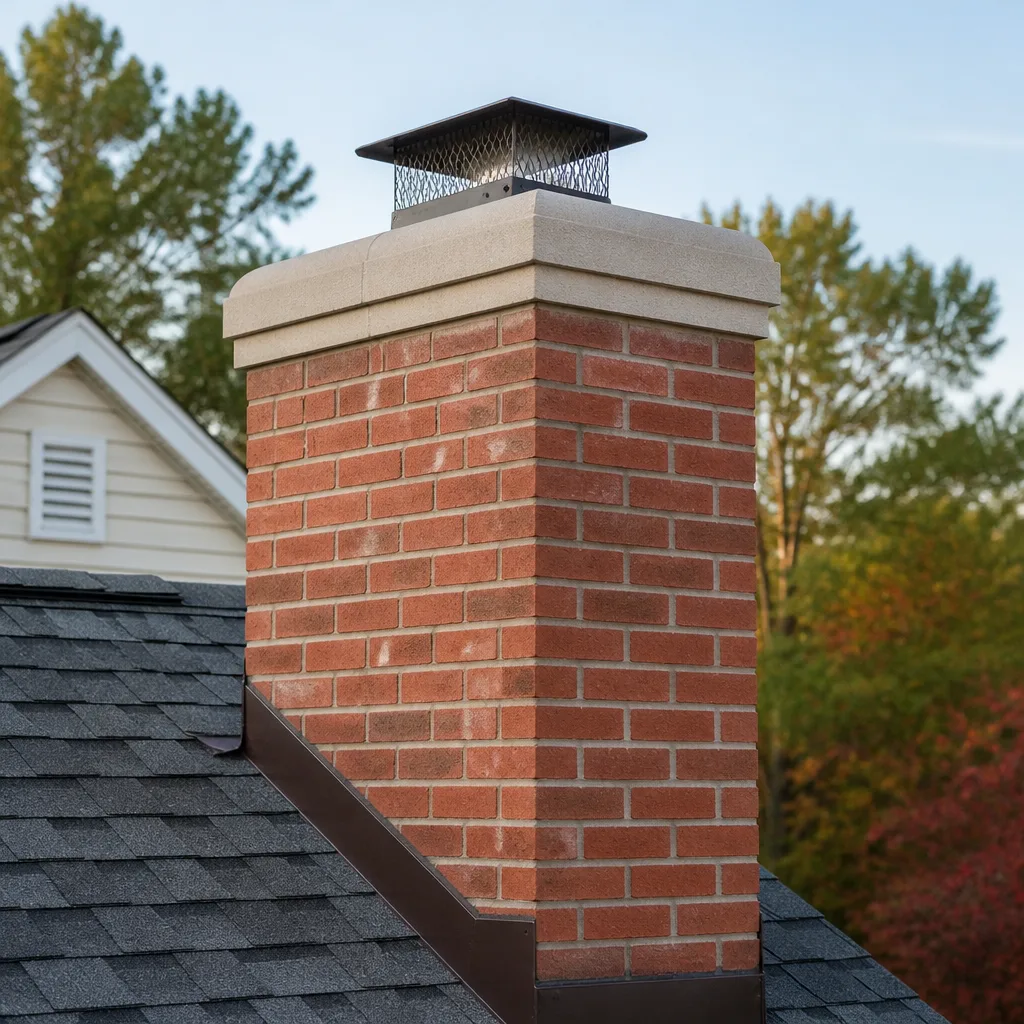 Masonry repair
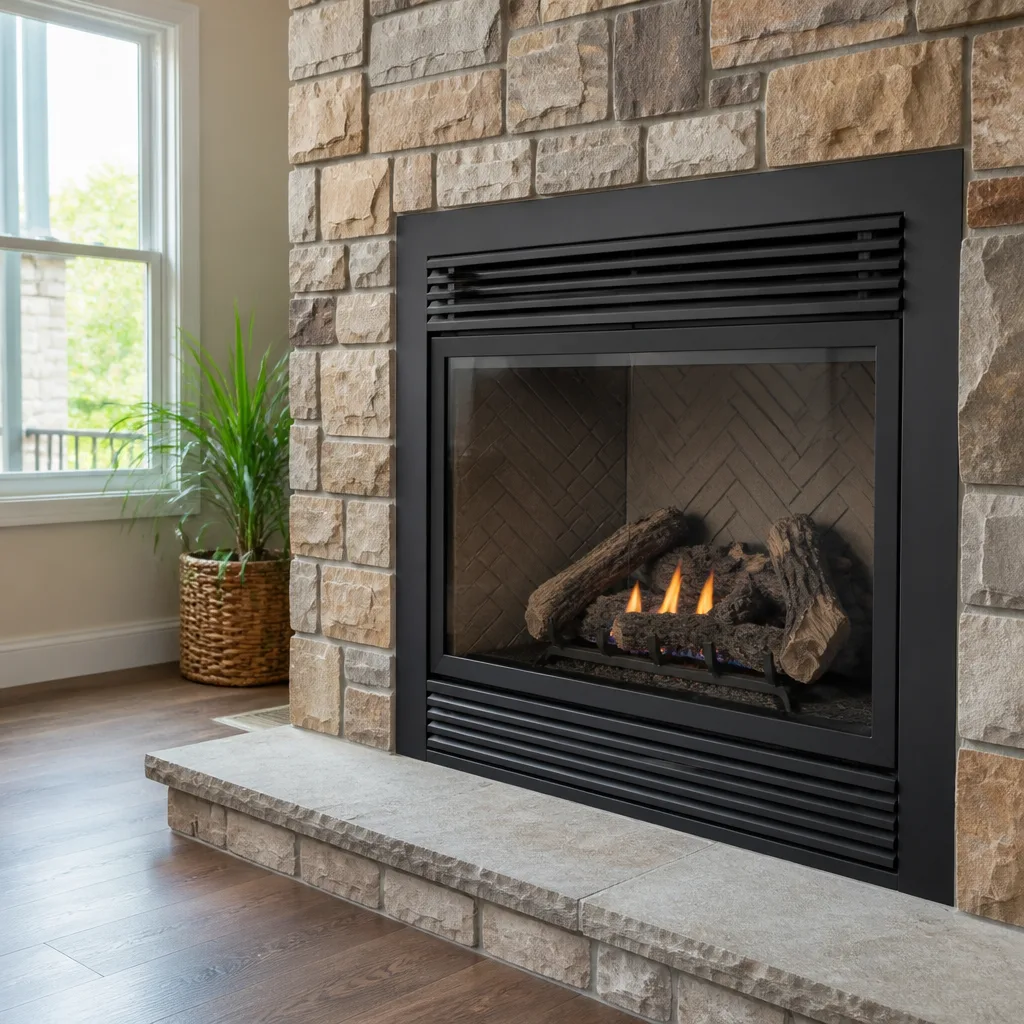 Gas fireplace service
Level 1 sweep and inspection to the NFPA 211 annual standard - flue, crown, cap, and flashing checked and photographed
Chimney sweep logs do not sweep chimneys. They loosen some creosote - which then falls where a brush and vacuum still have to collect it.
Chimney Cleaning Permits, Codes & Inspections in Kaysville, UT: What You Need to Know
Most Kaysville homeowners assume a chimney sweep never involves a permit, and for a straightforward cleaning they’re right. The line moves the moment the work crosses from cleaning into repair, relining or rebuilding. A chimney relining project done without a permit in Davis County can surface as a material defect disclosure during a home sale, sometimes years after the work was finished. By then the original contractor is gone and the seller is the one answering questions. This guide draws the actual line between routine maintenance and permitted work, walks through how Utah’s adoption of the International Residential Code shapes chimney clearances and liner sizing, and explains what a code-compliant Level 2 inspection really documents. If you’ve inherited an older system or bought a Kaysville home with unknown chimney history, this is the page to read before you spend money.
Quick Answer
Routine chimney cleaning and sweeping in Kaysville generally does not require a building permit, but structural repair, liner replacement, firebox reconstruction and any work that alters the chimney’s clearances or flue sizing typically does. Davis County and the City of Kaysville enforce the International Residential Code, which governs clearance to combustibles, liner materials and appliance connectors. A code-compliant Level 2 inspection is the document that proves the work meets those standards, and it matters for insurance claims and real estate transactions.
Styles & brands we work with
- Sweep & inspection
- Caps & crowns
- Flue relining
- Masonry repair
- Gas fireplace service
Table of Contents
- What Work Needs a Permit in Kaysville (and What Doesn’t)
- How the International Residential Code Affects Your Chimney
- What a Level 2 Inspection Actually Documents
- How to Pull Inspection Records from Davis County
- The Liability You Carry with Unpermitted Chimney Work
- Why Kaysville’s Climate and Housing Stock Matter
- Step by Step: Getting Permitted Chimney Work Done Right
- What Chimney Code Compliance Costs in Kaysville
What Work Needs a Permit in Kaysville (and What Doesn’t)
Here’s the dividing line most homeowners want in plain language. Anything that removes creosote or debris from the flue is maintenance. Anything that changes the structure, materials or clearances of the chimney system is construction, and construction in Kaysville falls under the Davis County building permit process. A sweep is maintenance. A reline is construction.
The clean side of the line:
- Routine chimney sweeping and creosote removal
- Level 1 and Level 2 inspections
- Chimney cap installation and replacement when it’s a simple top-mount cap
- Minor crown repair with sealant on an existing sound crown
- Firebox cleaning and damper adjustment
The permitted side of the line usually includes:
- Full flue liner replacement or relining
- Conversion from a masonry flue to a factory-built or flexible liner system
- Firebox rebuild or firebox material replacement
- Structural repair to the chimney stack, crown reconstruction or partial rebuild
- Adding or relocating a wood stove, insert or appliance connector
- Any change to the chimney’s height, clearances or termination point
Two gray areas trip people up. First, a crown rebuild: patching a crack is repair, but pouring a new crown is a structural change and typically pulls a permit. Second, a HeatShield ceramic resurfacing job: the material restores the flue interior without demolition, but because it changes the flue’s effective diameter and surface, most jurisdictions treat it as a liner modification. We confirm the permit question with the Kaysville building department before we schedule either one. If your project falls on the permit side, you’ll know before anyone starts work, not after.
For a sense of what a routine visit covers, see our overview of a chimney sweep.
How the International Residential Code Affects Your Chimney
Utah has adopted the International Residential Code, and the IRC is where the technical requirements that govern your chimney live. You don’t need to read the code book, but you do need to know what it controls, because these are the things an inspector checks and the things a permit protects.
Clearance to combustibles. The IRC sets minimum distances between a chimney or flue and wood framing, sheathing and other combustible materials. Older Kaysville homes sometimes have chimneys that were built before the current clearances were adopted, and a repair is often the moment that gap gets discovered. A permitted job forces it into the open.
Liner sizing and materials. The IRC ties liner requirements to the appliance the flue serves. A wood-burning appliance needs a liner sized and rated for that appliance, with the proper material and wall thickness. A flexible stainless system like DuraFlex is engineered to those ratings, which is why we install it rather than generic flexible pipe. The liner has to match the appliance, not the other way around.
Appliance connector requirements. Connectors between a stove or insert and the flue have their own material, slope and clearance rules. If a previous owner installed a wood stove insert with a connector that doesn’t meet those rules, it’s a code issue whether or not anyone ever noticed.
Termination and height. Chimney height above the roofline, and how it terminates relative to the ridge, roof surface and nearby openings, affects draft and safety. Changes to termination generally require a permit because they change the system’s performance and clearance profile.
What this means in practice: when you’re choosing a contractor for anything on the permitted side, ask how they’ll document compliance with the IRC for your specific appliance. If the answer is vague, that’s your signal. The Kaysville homes most likely to have a problem here are the older ones where equipment was swapped over the years without anyone tracking the code changes. If that describes your house, an inspection is worth doing before you assume the system is fine. A chimney repair should always start from a diagnostic, not a guess.
What a Level 2 Inspection Actually Documents
A Level 2 inspection is the inspection the chimney industry defines as necessary when a property changes hands, when an appliance changes, or after an event like a chimney fire or a seismic event. It’s more than a look up the flue. And it’s the document your insurance company and a future buyer will care about.
Here’s what a code-compliant Level 2 inspection records:
- Readily accessible areas. The inspector examines all accessible portions of the chimney’s interior and exterior, plus the attic, crawlspace and any chase where the chimney passes through conditioned space.
- Video scan of the flue. A camera records the full length of the flue interior, documenting cracks, gaps, spalling, offset joints and liner condition that a visual check can miss.
- Clearance verification. Measured distances to combustibles in the attic and at the roof penetration are recorded, because that’s where undetected clearance problems cause fires.
- Appliance connection review. The connector, damper and any insert are checked against the requirements for the appliance they serve.
- Written findings with photographs. A proper Level 2 produces a report you can hand to an insurer or attach to a disclosure, with images of what was found and where.
- Recommendations graded by urgency. Findings should be separated into what needs attention now, what can be monitored and what’s cosmetic. If every item on the list comes out as “urgent,” the report is a sales tool, not an inspection.
Why this matters for insurance and real estate: after a chimney fire or a carbon monoxide event, an insurer’s first question is whether the system was maintained and whether prior work was documented. At the point of sale, a buyer’s inspector will often request the last Level 2 report, and if none exists, the buyer has leverage to demand concessions or walk. Having the report on hand makes the transaction cleaner.
We offer chimney inspection as a standalone service, not just as an add-on to a cleaning. Sometimes the honest answer is that the system is sound and nothing needs doing. That’s a finding worth having in writing.
How to Pull Inspection Records from Davis County
If you’re buying a Kaysville home or you’ve inherited a chimney system whose history is unclear, the public record can tell you more than the seller remembers. Davis County and the City of Kaysville maintain permit records and inspection sign-offs for work done on addresses within their jurisdiction. Here’s the process.
- Start with the city. Contact the City of Kaysville building department and ask whether there’s a permit history for your address. Give them the parcel number and the full address, and be specific that you’re looking for chimney, fireplace or flue work.
- Ask what the permit covered. A permit record will tell you what scope was approved, who the contractor was and what inspections were signed off. What it may not tell you is whether the work was actually completed to the approved scope. That’s what a current Level 2 inspection is for.
- Request the inspection sign-off sheet. If the record shows a final inspection was never signed off, that’s a red flag worth raising before closing.
- Check the county for anything outside city limits. If the property sits in unincorporated Davis County, the county handles the permit. Ask the same questions.
- Get a current inspection regardless. Records tell you what was permitted, not what’s actually there now. A Level 2 inspection on the current system fills that gap.
One caveat worth knowing: permit records can be incomplete for older work, and an absence of a record doesn’t automatically mean unpermitted work was done. It means the paper trail is thin. In our experience, a Level 2 inspection is the more reliable answer, because it tells you what’s actually there. A cleaning report and video scan can go alongside the county records to give a buyer a complete picture. For more on how that fits with a routine visit, see Chimney Sweep Kaysville.
The Liability You Carry with Unpermitted Chimney Work
A fire or a carbon monoxide event traced back to unpermitted chimney work puts two questions in front of a homeowner: will the insurance pay, and who’s responsible. The answers aren’t comfortable.
On insurance, most policies require that work on a home be done to code and with proper permits. If a claim arises from a reline or firebox rebuild that was done without a permit or without meeting code, the insurer can dispute the claim on the basis that the loss traces to non-compliant work. That dispute can mean a lengthy fight, a denied claim or a partial payout, and in the worst case, cancellation of the policy. None of this is guaranteed to happen, but all of it is possible.
On responsibility, the homeowner who commissioned the work carries exposure. If a contractor did the work without a permit, the homeowner is often the party left holding the problem when the contractor is gone, especially in a disclosure situation at resale. A material defect disclosure, which most states including Utah require in some form when selling, means an unpermitted chimney project can follow the home through multiple transactions.
On liability for harm, a chimney fire that spreads or a carbon monoxide exposure traced to an improperly installed liner or connector can lead to a legal claim. Where the work wasn’t permitted and wasn’t inspected, the homeowner who engaged the contractor is the party most likely to be named. This is why we don’t advise skipping the permit on work that needs one, even when the schedule pressure is real. The permit and the inspection are the record that puts the risk where it belongs.
If you suspect previous work was done without a permit, don’t panic. Get a Level 2 inspection, get the findings documented, and get the gaps corrected with permitted work. The path forward is straightforward once you know what you’re dealing with.
Why Kaysville’s Climate and Housing Stock Matter
Kaysville sits on the bench below the Wasatch Front, in a valley that swings between dry summers and cold, snowy winters. That climate shapes what happens inside a chimney over a season and it shapes what a permit is meant to protect against.
Freeze-thaw and the crown. A Kaysville winter moves the masonry through repeated freeze-thaw cycles. Water gets into a hairline crown crack, freezes, expands and widens the crack. What started as a small repair becomes a crown reconstruction and a structural permit. In this climate, a maintained crown is the difference between minor work and permitted work. That’s part of why we offer chimney cap and crown work as its own service layer; it’s the most common point of water intrusion here.
Draft and cold starts. Cold valley air and a tall stack give Kaysville chimneys good draft in deep winter, but a cold start with a warm, still afternoon in the shoulder seasons can push smoke back into a room if the system is undersized or the flue is out of spec. A correctly sized liner, which the IRC governs, is what prevents that.
Older housing stock. Many Kaysville homes date to the era before the current IRC clearances and liner rules were adopted. That doesn’t make them unsafe by default, but it does mean the original construction was built to different standards. Any repair work on those systems has to be brought to current code, and that’s usually where a permit becomes necessary.
Burning season. Kaysville’s heating season runs long, and a heavily used fireplace builds creosote faster than a fireplace used a few times a year. That’s the maintenance side, and it’s why we recommend an annual sweep before the season starts rather than after. A seasonal booking, not an emergency call, is the right rhythm here.
For how the climate affects fireplace components specifically, our fireplace repair overview covers what we see most often.
Step by Step: Getting Permitted Chimney Work Done Right
Here’s the process we walk Kaysville homeowners through when a project crosses from maintenance into permitted work. Follow it and the project stays clean from start to finish.
- Get a diagnostic first. A Level 2 inspection or a focused diagnostic on the specific issue gives you the scope in writing. No one should be quoting a liner replacement without a camera scan of the current flue.
- Confirm whether a permit is required. We check with the Kaysville building department on the specific scope. Some scopes don’t need a permit; most structural, liner and firebox work does. Get this answered before the estimate is final, not after.
- Get a written estimate that names the scope. The estimate should say what’s being replaced or repaired, the material spec and the brand, and the permit question. A DuraFlex liner system, for example, is a specific product; the estimate should say so, not just “flexible liner.”
- Submit the permit application with the scope and specs. Good contractors handle this as part of the job. Look for the permit number on the document before work begins.
- Complete the work, then arrange the inspection. The building inspection is the sign-off that the work matches the permitted scope. Confirm it’s been scheduled before the project is treated as done.
- Keep the records. File the permit, the final inspection sign-off and the Level 2 inspection report together. When you sell, these are the documents that answer the buyer’s question.
If you’re working with a different contractor, this same sequence applies. Ask for the permit number, ask for the inspection date and ask for the written documentation at the end. The Kaysville building department is the arbiter of the answer, not the contractor’s memory.
What Chimney Code Compliance Costs in Kaysville
Here’s the range Kaysville homeowners typically see, framed as estimates rather than fixed prices. The written estimate sets the final number. The figures below are typical for the Davis County market; your project’s scope and the permit requirements will move them.
- Routine chimney sweep, no permit: $180-$340 typical
- Level 1 inspection (routine condition check): $100-$200 typical
- Level 2 inspection with video scan and written report: $250-$450 typical, depending on access
- Standard chimney cap and crown installation (no structural permit): $350-$900 typical
- HeatShield ceramic flue resurfacing, small flue: $1,200-$2,400 typical; permit may apply if the flue diameter changes
- Flexible stainless reline, straightforward vertical flue: $2,200-$4,500 typical; permit required
- Firebox rebuild: $1,500-$4,000 typical; permit required
- Crown reconstruction: $800-$2,200 typical; permit typically required
The permit fee itself varies by jurisdiction and scope, and the building department sets it, not us. What we do is include the permit in the estimate as a line item so you’re not surprised. The estimate is free and the price is set per job by the written estimate, so call (844) 759-1416 for an exact quote. We answer 24/7, with fast dispatch from 7am to 7pm, Sunday through Friday.
We install DuraFlex flexible liner systems because they’re engineered to the IRC liner requirements, and HeatShield ceramic resurfacing because it lets a homeowner restore a deteriorated flue without full demolition. Both are professional-contractor materials, which matters if you’re the one signing the permit. We also work with Gelco, Olympia Chimney and Famco product lines where those products fit the job. The point isn’t brand worship; it’s that the material spec on the permit has to match the material actually installed.
Common Mistakes to Avoid
- Skipping the permit because the contractor offered to. A contractor who suggests doing permitted work without a permit is transferring risk to you, not saving you a fee. Ask for the permit number on any structural, liner or firebox project before work begins.
- Treating a sweep invoice as proof of an inspection. A sweep is maintenance; a Level 2 is the documented inspection an insurer or a buyer will want. They’re different documents. Keep them separate.
- Assuming previous work was permitted because it looks fine. Permitted work in Kaysville has a paper trail. If the seller can’t produce it, request a current Level 2 inspection and let the findings tell you what’s actually there.
- Waiting until the first freeze to call. Kaysville’s long heating season fills the schedule fast. A seasonal booking before burning season starts is easier to fit than an emergency in January.
- Choosing a liner by cost alone without matching it to the appliance. The IRC ties liner sizing to the appliance the flue serves. A liner that doesn’t match the appliance is a code problem, not a bargain.
- Dismissing a small crown crack as cosmetic. In a Kaysville freeze-thaw winter, a hairline crack can become a crown reconstruction and a permit by spring. Repair it while it’s small.
- Forgetting to file the final inspection sign-off. The permit matters, but the inspection sign-off is the document that proves the work passed. Keep both with your home records.
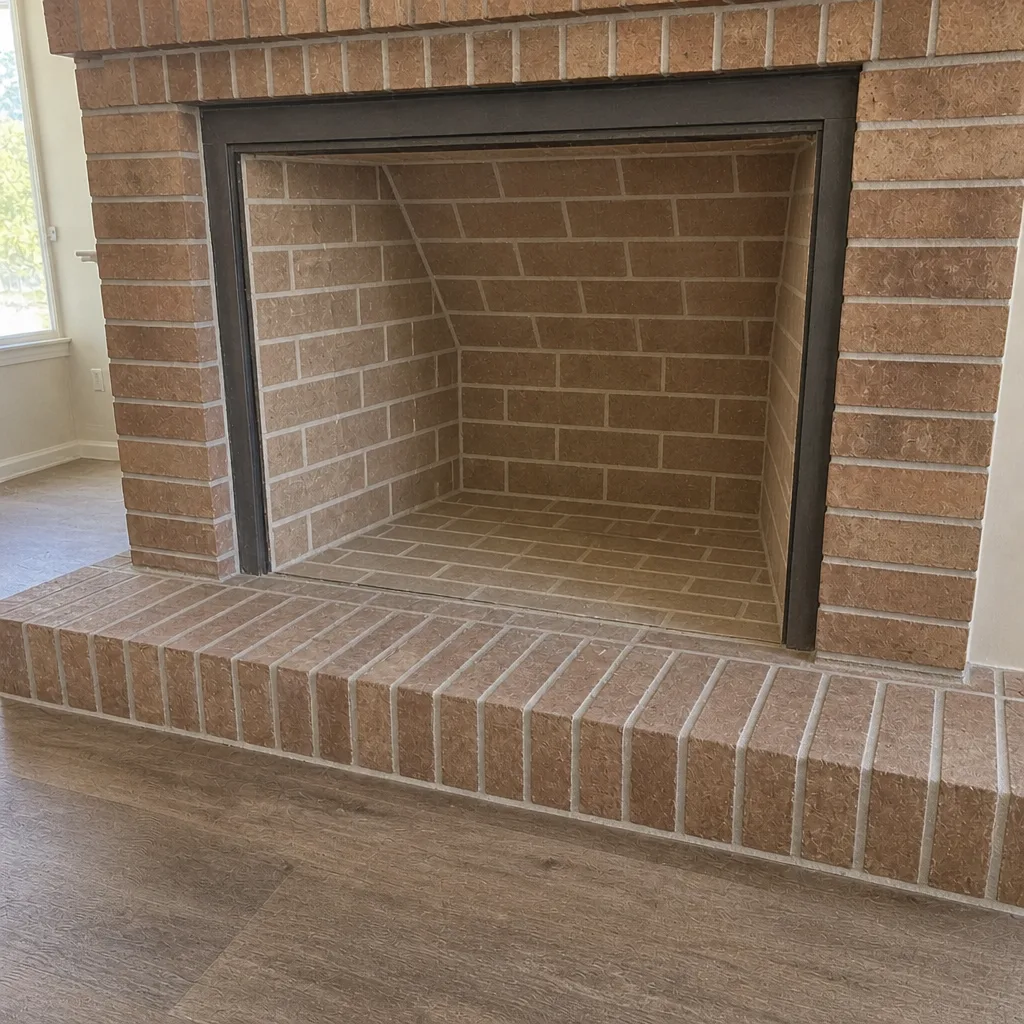
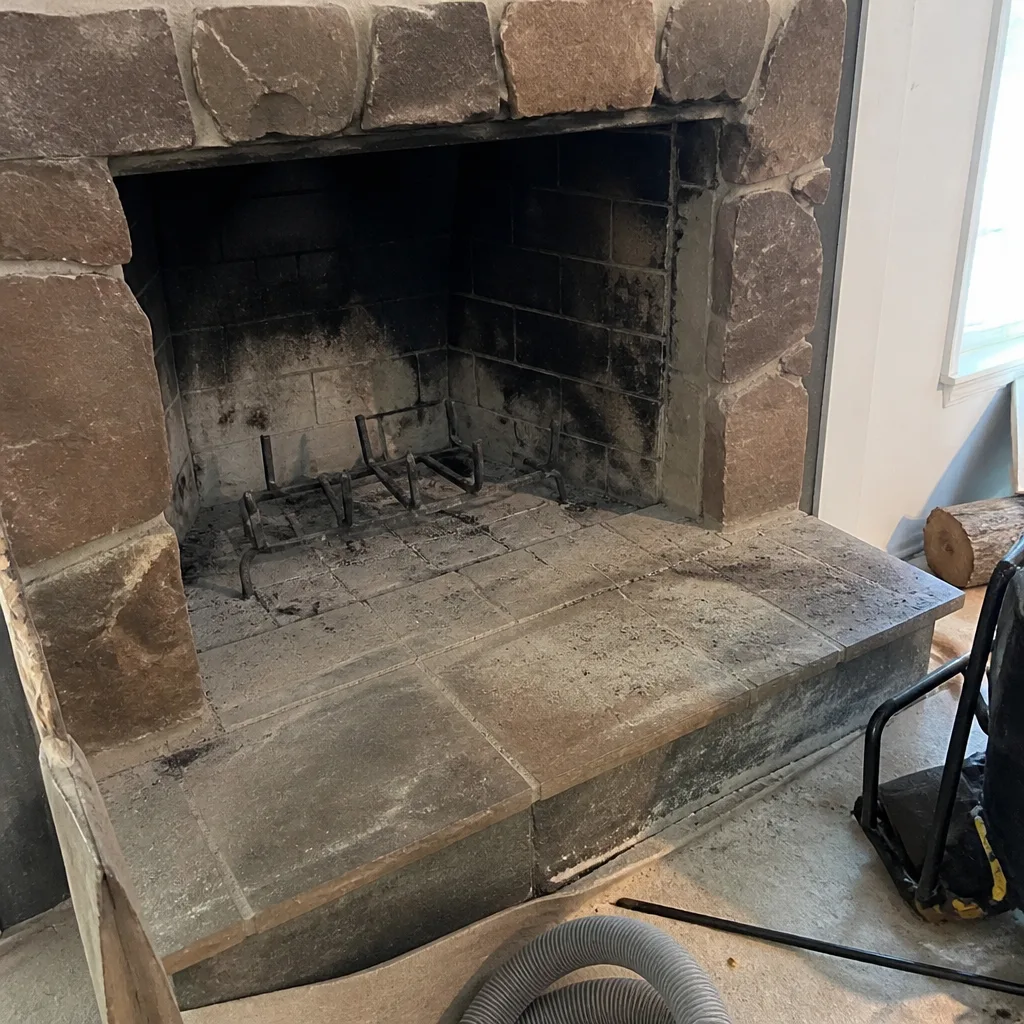
See the difference
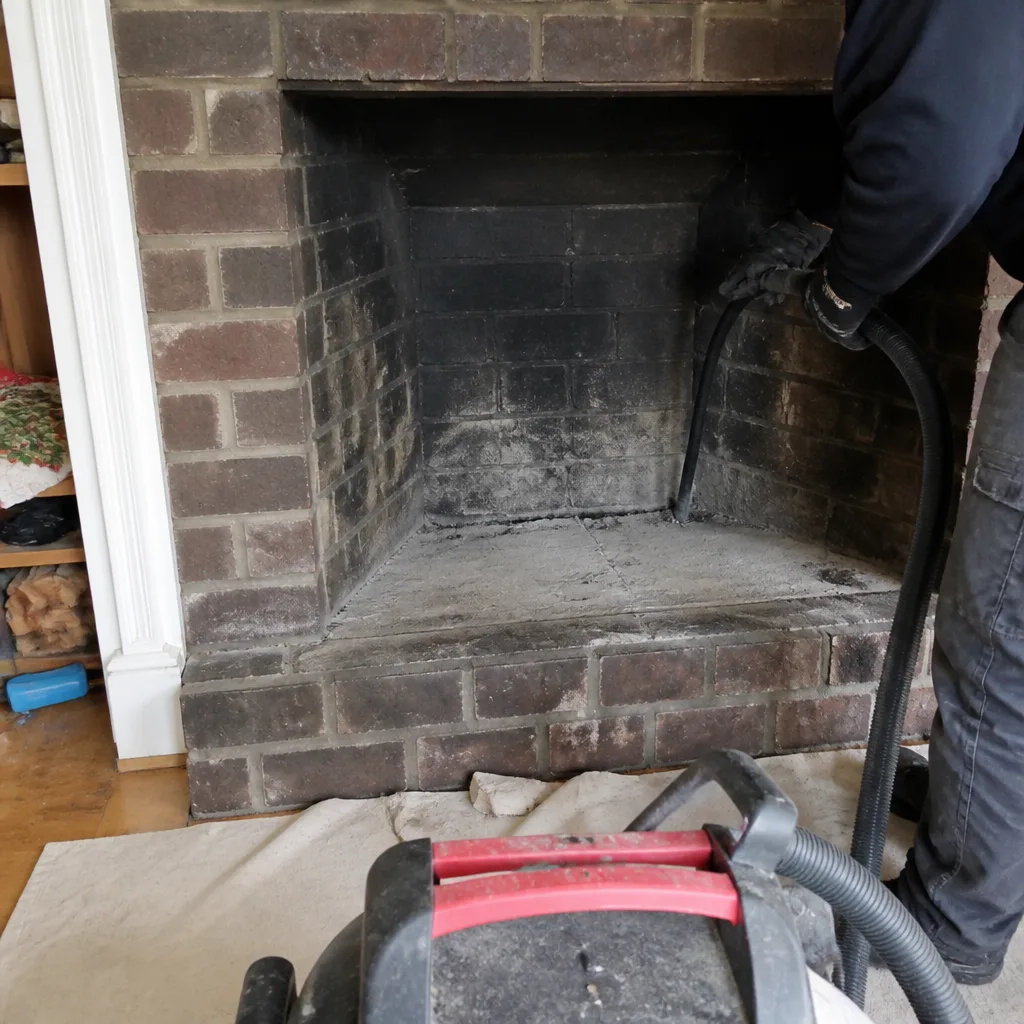 Before
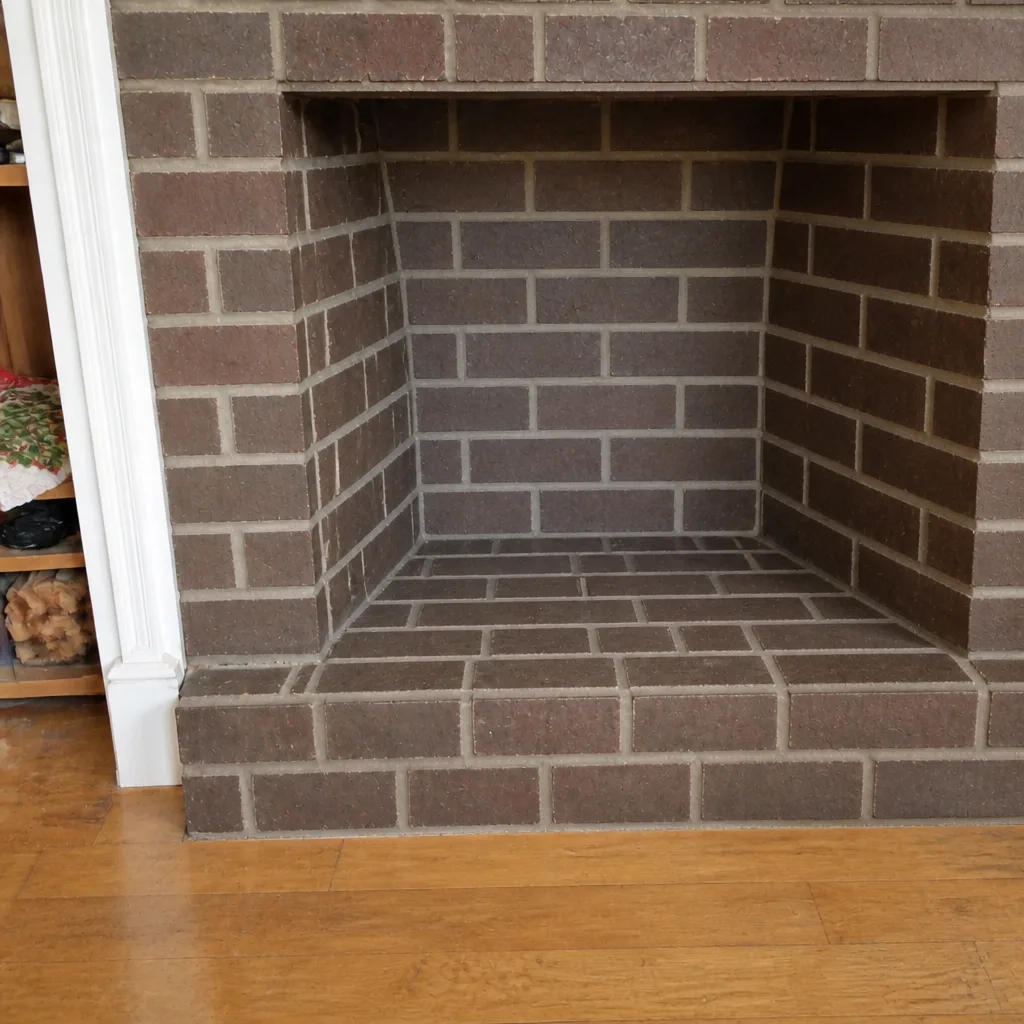 After
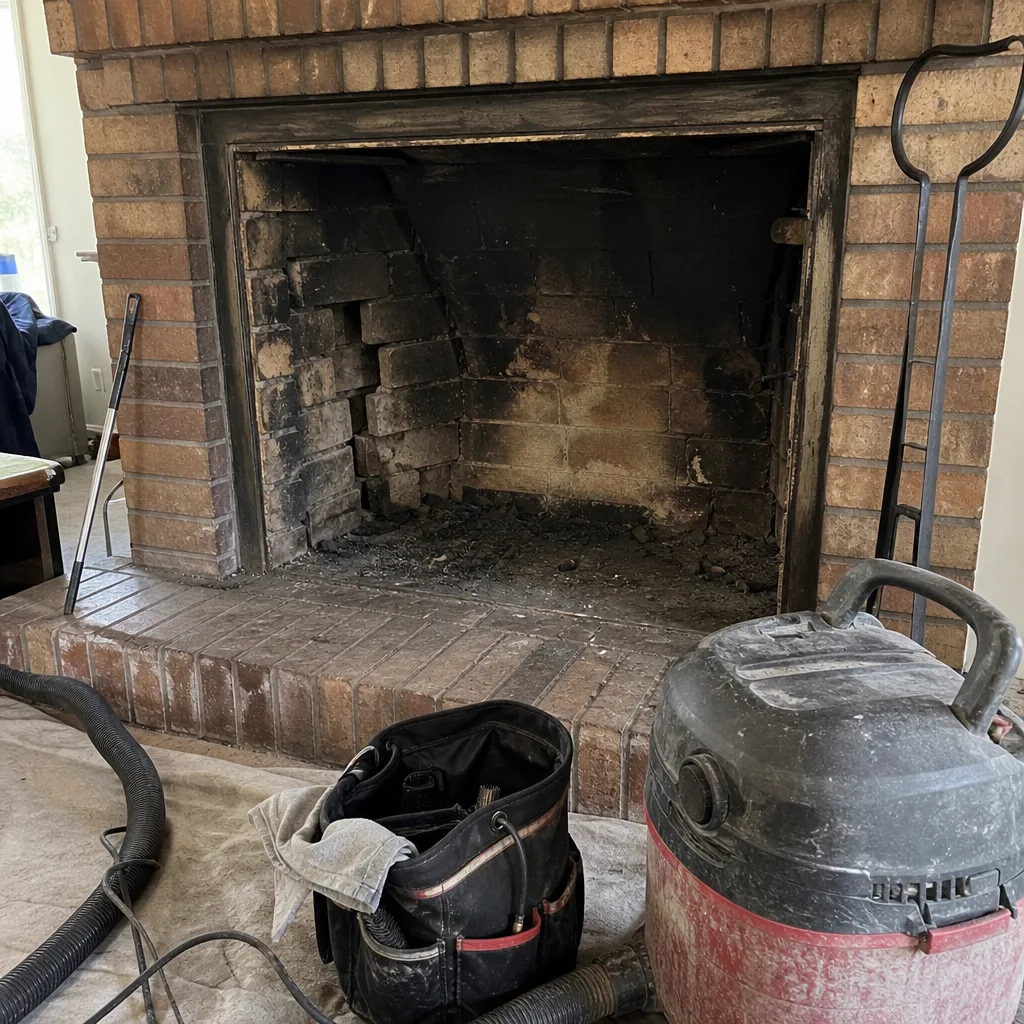 Before
 After
 Before
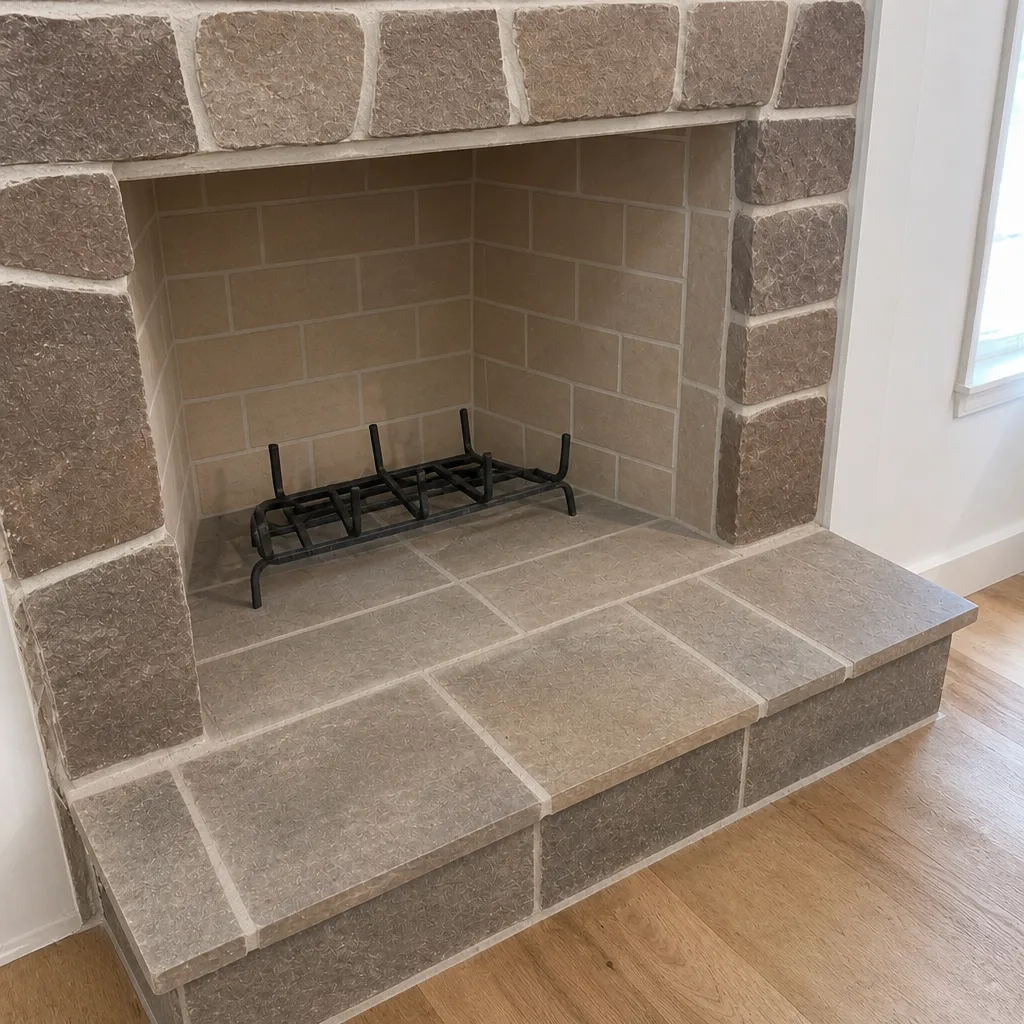 After
When to Call a Professional
Call a professional when there’s any structural or safety question at all. A cracked flue liner allows combustion gases into your living space, and a gap in the liner is not something to spend a weekend cosmetically patching. Call if you smell gas, if you see soot staining on the chimney exterior, if the mortar is crumbling, if the crown is cracked or if a previous owner’s work has no paper trail. Call before closing on a Kaysville home with an unfamiliar chimney system, and call when you’re ready to sell and want the Level 2 report on hand. Call before you light the first fire of the season if it’s been more than a year since the last sweep. And call when you’re ready to schedule permitted work so the permit question gets answered before the estimate is final. Chimney Sweep Kaysville offers free estimates in Kaysville; call (844) 759-1416. We answer 24/7, with fast dispatch from 7am to 7pm, Sunday through Friday.
Frequently Asked Questions
No. Routine chimney cleaning and sweeping in Kaysville is maintenance and does not require a building permit. A liner replacement, structural repair, firebox rebuild or any change to clearances or termination does typically require a permit from the City of Kaysville or Davis County, depending on the property’s location.
A routine chimney sweep in Kaysville typically runs $180 to $340 as an estimate. A Level 2 inspection with a video scan and written report is a separate service and typically runs $250 to $450 depending on access. Call (844) 759-1416 for an exact quote; estimates are free.
A cleaning is enough when the system has been maintained and no structural or appliance change has happened. A Level 2 inspection is the right call at a home purchase, after a chimney fire, when an appliance changes, or when the chimney’s history is unknown. A Level 2 documents what’s actually in the flue and the clearances, which a cleaning doesn’t.
In most cases, yes: a homeowner can pull a permit for work on their own home. But a homeowner-issued permit puts the homeowner in the role of the responsible party for the work and the inspection. Most Kaysville homeowners prefer the contractor to pull the permit so the record shows who did the work and the final inspection sign-off is on the contractor’s side. Discuss the option with the building department or with the contractor before choosing.
That’s a Level 2 inspection question first. The current system is what matters, not the paper trail. If the inspection finds the work doesn’t meet code, the fix is to correct the deficiency with permitted work and keep the records. If it passes, document that finding. Either way, the absence of a permit record doesn’t automatically mean the work needs to come out; it means you need a current inspection to know.
Kaysville sits on the bench below the Wasatch Front, where winter freeze-thaw cycles work on masonry and the heating season runs long. Both stresses tend to surface on older homes with chimneys built to earlier code clearances, and the permit is what documents that the repair meets the current standard. Call (844) 759-1416 for a free estimate if you’re wondering about your own system.
The Bottom Line
The permit question comes down to a line between maintenance and construction. Cleaning a chimney in Kaysville is maintenance. Relining, rebuilding or altering clearances is construction, and Davis County and the City of Kaysville enforce the International Residential Code on that construction. A Level 2 inspection is your evidence that the work was done right and your protection if a claim or a sale ever puts it in front of another party. Pull the permits when they’re required, keep the inspection records, and know the difference. Call (844) 759-1416 for a free estimate. We answer 24/7, with fast dispatch from 7am to 7pm, Sunday through Friday.
Written by the team at Chimney Sweep Kaysville.