
Last updated November 24, 2026
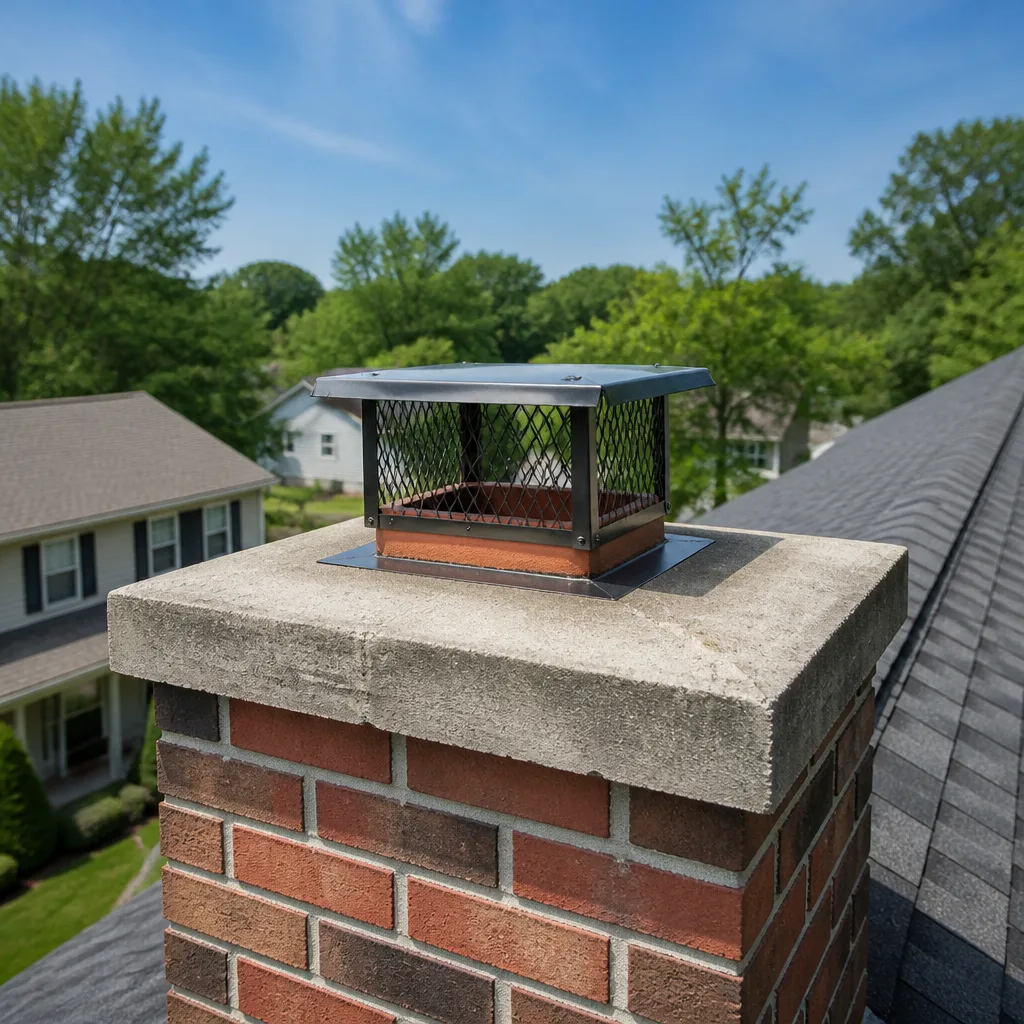 Sweep & inspection
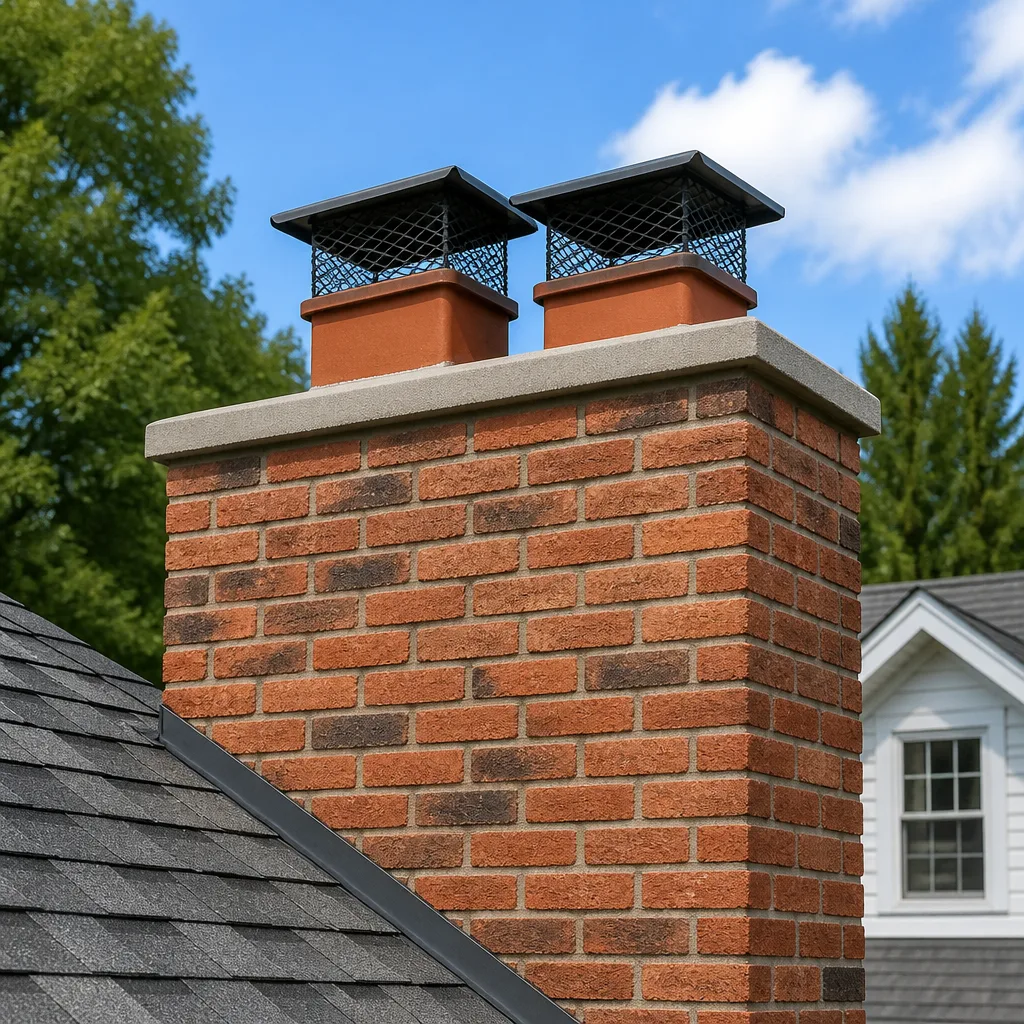 Caps & crowns
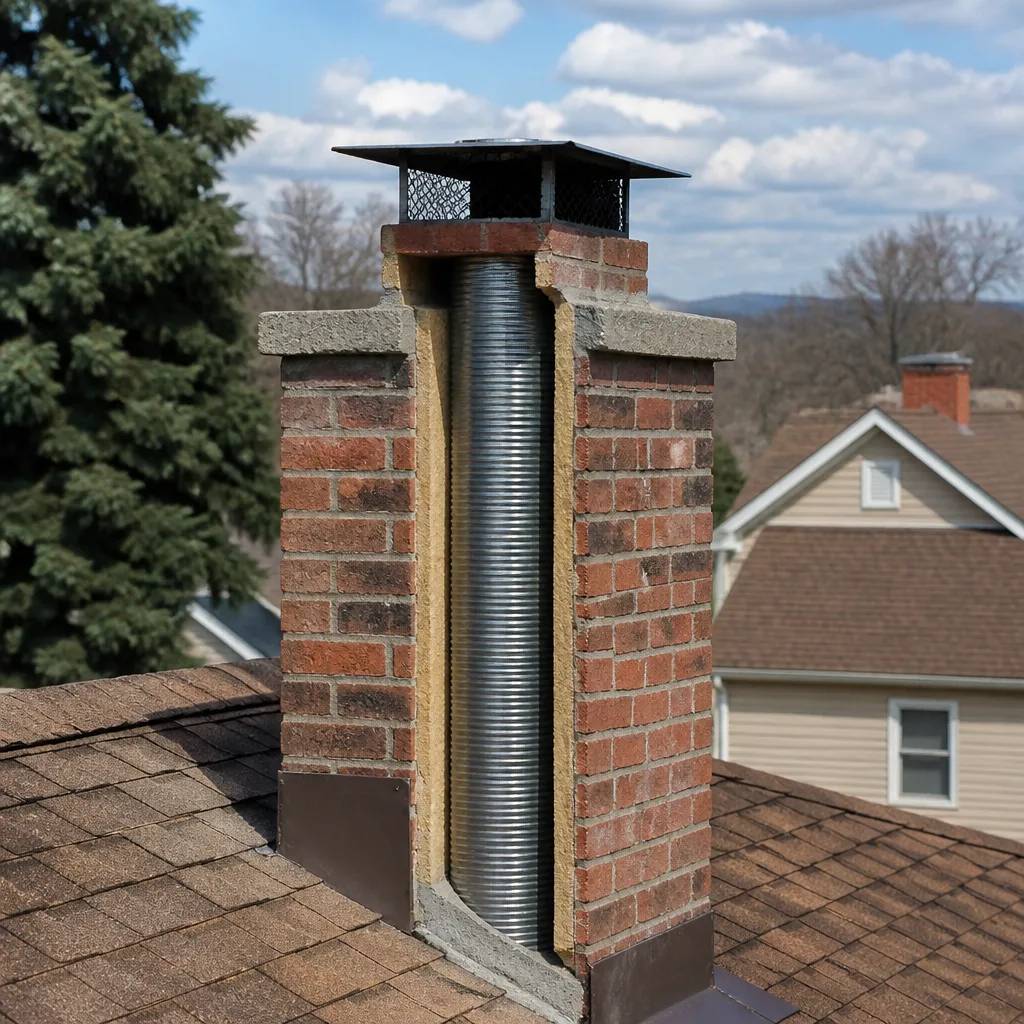 Flue relining
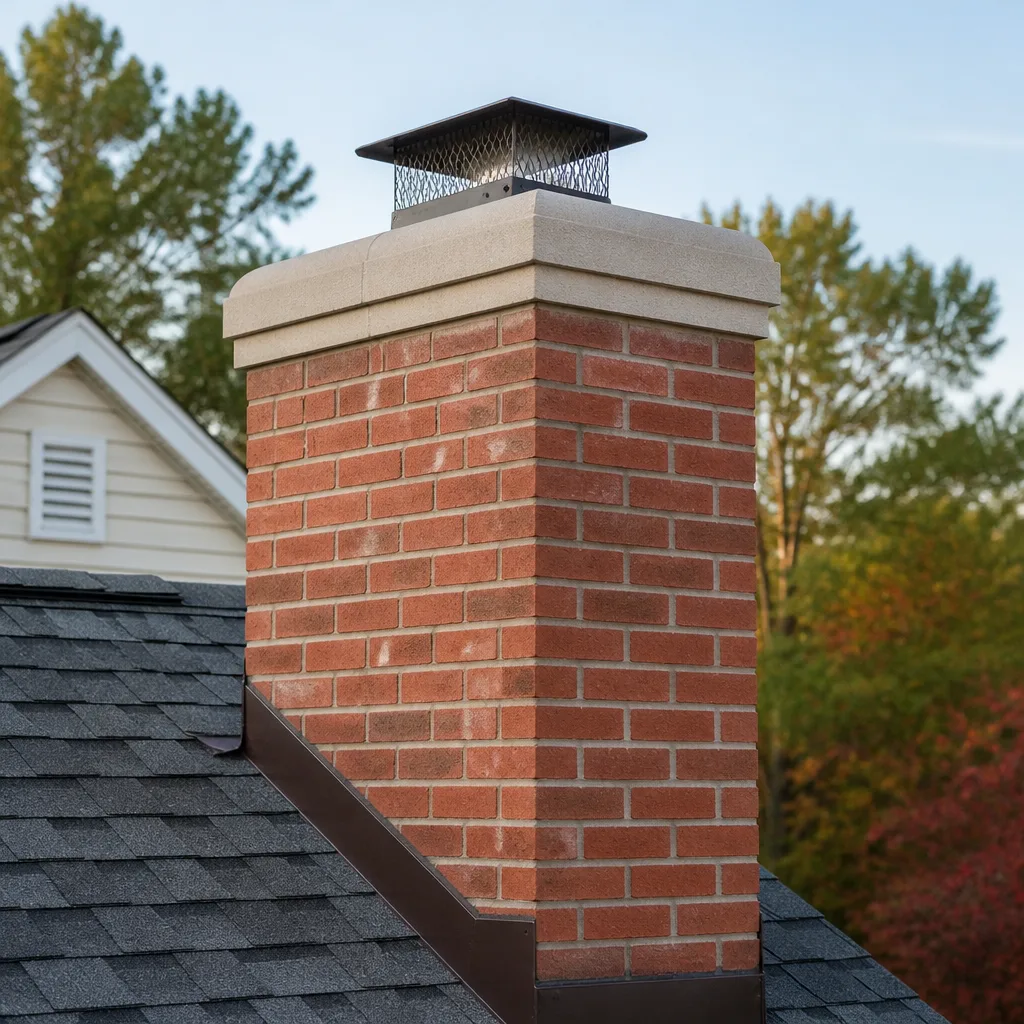 Masonry repair
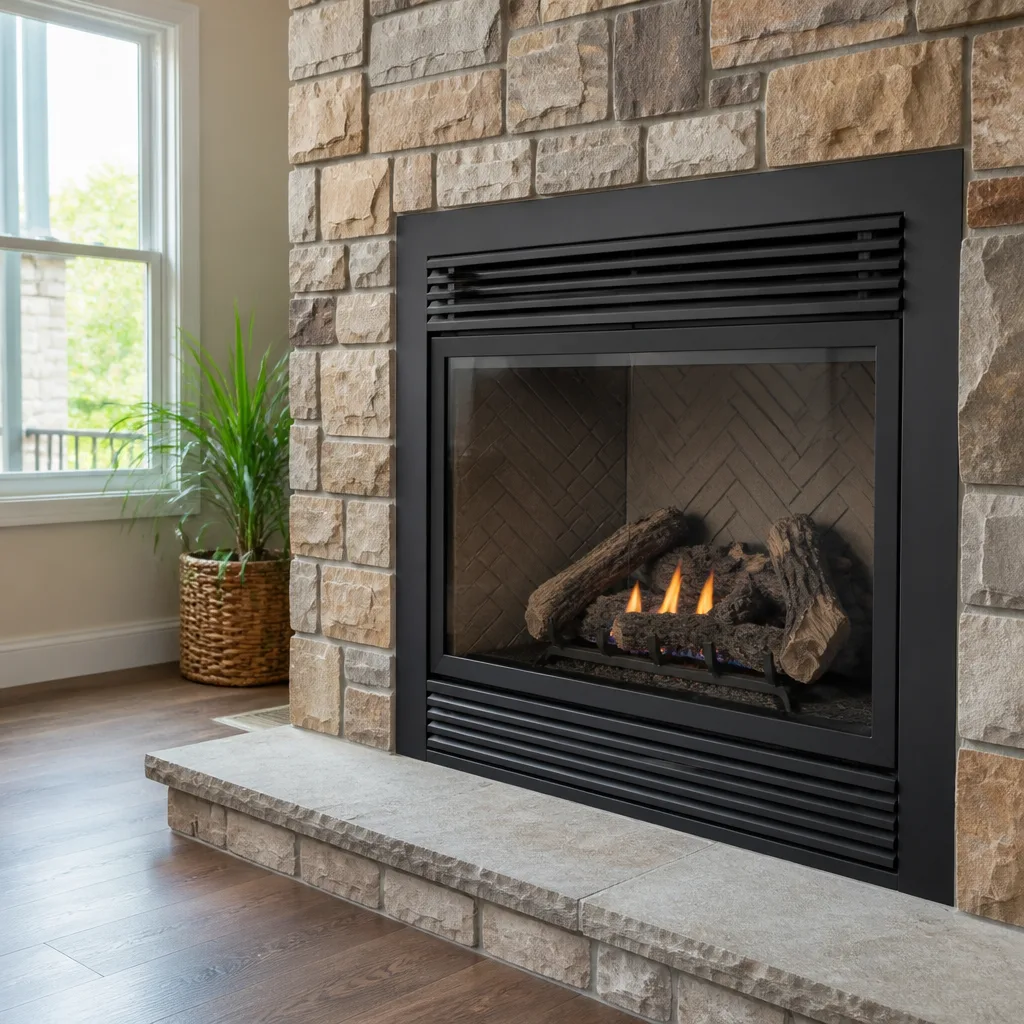 Gas fireplace service
Level 1 sweep and inspection to the NFPA 211 annual standard - flue, crown, cap, and flashing checked and photographed
Chimney sweep logs do not sweep chimneys. They loosen some creosote - which then falls where a brush and vacuum still have to collect it.
Chimney Cleaning Warning Signs: A Kaysville Homeowner’s Reference Guide
That campfire smell in your living room on cold mornings isn’t nostalgia. It’s your chimney telling you there’s a draft problem, and the same condition that lets a little smoke into the room can push carbon monoxide the other direction once the pressure outside shifts. Most chimney problems announce themselves weeks before they turn dangerous. The trouble is that homeowners misread the announcement. White staining gets written off as weathering. A sour smell gets called normal. Smoke rolling out of the firebox gets blamed on a drafty house. This guide walks through each warning sign and explains what it actually points to, so you can tell the difference between a note to schedule service and a reason to stop using the fireplace today. We’ve inspected a lot of chimneys in Kaysville, and the patterns repeat.
Quick Answer
The most important chimney warning signs are white efflorescence on exterior masonry, brown or black staining below the flue, smoke rolling back into the room, popping or hissing sounds during a fire, and visible daylight through joints in the firebox. Any of these means the chimney needs inspection. Smoke entering the living space, or a strong creosote smell inside the house, means stop using the fireplace and call for an inspection before the next fire.
Styles & brands we work with
- Sweep & inspection
- Caps & crowns
- Flue relining
- Masonry repair
- Gas fireplace service
Table of Contents
- What White Staining on the Brick Actually Means
- Brown Staining, Black Streaking, and What Each Color Points To
- Reading Smoke Behavior as a Diagnostic Tool
- Sound Cues: Popping, Hissing, and Dripping
- Interior Warning Signs Homeowners Overlook
- Exterior Signs: Caps, Crowns, and Masonry
- Which Signs Mean “Schedule a Sweep” and Which Mean “Stop Today”
- A Seasonal Inspection Rhythm for Kaysville Homes
What White Staining on the Brick Actually Means
White, chalky staining on exterior brick is called efflorescence, and it’s the single most misread chimney warning sign we encounter. Homeowners see it and assume it’s normal aging. It isn’t. Efflorescence is the visible residue of water moving through the masonry, dissolving salts from inside the brick and mortar, and leaving them on the surface as the water evaporates. In plain terms: where you see white, water has been inside the chimney and come back out.
The question isn’t whether water is getting in. The question is where.
During a northern Utah winter, that water freezes at night and thaws by afternoon. The freeze-thaw cycle is what turns a slow moisture problem into cracked mortar joints and spalling brick faces within a few seasons. Kaysville sits in a stretch of the Wasatch Front where this cycle happens repeatedly from November through March, which is why moisture management matters here more than it does in milder climates.
Where efflorescence shows up tells you something about the source:
- White staining near the top of the chimney usually points to a failing crown or a missing or damaged cap, with water entering from above.
- White staining in the middle of the stack more often indicates a cracked mortar joint drawing rain sideways into the masonry.
- White staining low on the chimney or at the roofline can point to a flashing failure where the chimney meets the roof.
None of these resolve on their own. Left alone, efflorescence progresses to spalling, where brick faces begin to flake off, and then to structural movement. Our chimney repair work frequently starts with a call about staining that has been visible for more than one season. A camera inspection and photo report show you exactly where the water is coming from before any repair is recommended.
Brown Staining, Black Streaking, and What Each Color Points To
Colors on a chimney aren’t random. Each one is a chemical fingerprint, and reading them correctly is one of the fastest ways to understand what’s happening inside the system.
Brown staining
Rust-brown streaks usually mean water is meeting metal. Common sources are a corroding damper assembly, a rusting flue cap, or a metal liner component that has begun to fail. Brown staining on the outside face of a chimney often traces back to water entering at the top and running down the inside of the masonry before finding a path outward. When we see brown, we look first at the cap, then at the damper, then at the liner. Famco and Olympia Chimney components come up often in these repairs because they’re built for the kind of temperature cycling a Utah chimney lives with.
Black streaking
Black streaking on the exterior above the firebox is usually creosote, and it means smoke is escaping through a seam or joint rather than going up the flue. That’s a sign the flue is obstructed, undersized, or has a break in its liner. Creosote is the fuel for chimney fires, so black streaking gets attention quickly.
Inside the firebox and smoke chamber
Interior staining is just as telling. A smoke chamber that shows dark staining high on one side and clean on the other often means the smoke is contacting that surface on the way out, which points to a smoke chamber geometry problem or a partially blocked flue. This is the kind of thing a proper inspection catches and a sweep alone misses.
Why the color matters
Each stain is a record of what the chimney has been asked to handle. White means water. Brown means metal in contact with water. Black means smoke where smoke shouldn’t be. Reading them together gives us a diagnostic picture before we go up on the roof. Our sweep (chimney sweep) service includes a documented inspection for exactly this reason. The sweep cleans; the inspection interprets.
Reading Smoke Behavior as a Diagnostic Tool
Smoke is the most reliable diagnostic tool a homeowner has, and almost nobody reads it properly. It’s easy to think of all smoke problems as one problem. In our experience, three distinct patterns mean three very different things.
Pattern 1: Occasional puffback
Smoke rolls out of the firebox for a few seconds when you first light the fire or open the door to add wood, then settles. This is normal to a point. Cold flues don’t draft well until they warm up. A puffback that happens once on startup and clears within a minute is usually a cold-flue issue. A puffback that happens every time you add wood, or that happens more than a season ago it didn’t, is a symptom worth investigating.
Pattern 2: Persistent backdrafting
Smoke that refuses to go up the flue regardless of how hot the fire is, or that comes back down after going partway up, is backdrafting. Common causes are a blocked or partially collapsed flue, an oversized flue relative to the firebox, negative pressure in the house, or a flue that’s too short for the roof geometry. In Kaysville homes with modern tight construction, negative pressure from kitchen and bath exhaust fans can genuinely cause backdrafting. In older homes, the cause is usually flue condition. Either way, persistent backdrafting means combustion gases have a path back into the house, and that includes carbon monoxide. Stop using the fireplace until it’s looked at.
Pattern 3: Smoke only at startup
Smoke at startup and nowhere else, season after season, is often a flue-warming problem. It can also be a smoke chamber issue where the throat is too small or the smoke shelf is the wrong shape. This pattern is in the “schedule a sweep and an inspection in the next several weeks” category, not the “stop today” category.
Why the difference matters
Homeowners who treat all three patterns as the same either panic unnecessarily or ignore something real. We inspect before we recommend anything, and smoke behavior is one of the first things we ask about. Photographs and camera footage from the flue settle the rest.
Sound Cues: Popping, Hissing, and Dripping
Your ears can hear liner problems before your eyes see them. This is one of the most underused diagnostic channels homeowners have, and it’s worth learning.
Popping or crackling that isn’t wood
Wood pops when it burns. That’s normal. But a rhythmic popping or a sharp crack during a fire, especially a fire on a reasonably dry load, can be water flashing to steam inside a cracked flue tile or a delaminating liner. The steam tries to escape through the flue wall and makes the tile crack. A second fire later, the same sound happens. If you hear it once and it doesn’t repeat, mention it at your next inspection. If it happens on more than a couple of fires, schedule service.
Hissing
A hiss during a fire usually means moisture. It can also mean a very hot flue fire starting. If the hiss comes with a low roar, or with the pipe or chimney face getting hot to the touch, close the damper, close the firebox doors, and leave the house while calling the fire department. Once the situation is safe, call us for an inspection. Chimney fires often burn out on their own and the homeowner never realizes one occurred, which is exactly why post-fire inspection matters.
Dripping sounds
A drip you can hear during a fire means water is entering the system and hitting a hot surface. Common sources are a missing cap, a cracked crown, a failed flashing, or a liner termination that isn’t properly sealed. Brown staining on the exterior or ceiling water stains nearby usually confirm it. Water inside a hot chimney is a structural stressor because every fire and every drip is another freeze-thaw cycle in waiting.
What to do with sound
Make a note of what you heard, when you heard it, and what else you noticed at the same moment. That single paragraph makes the inspection faster. Our team installs DuraFlex flexible liner systems and can apply HeatShield ceramic resurfacing when the flue needs restoration rather than full replacement, and knowing what you heard helps us choose the right path.
Interior Warning Signs Homeowners Overlook
The most overlooked signs are inside the house, not on the roof. Here’s what to look at the next time you’re near the fireplace.
Damper corrosion
The damper should move freely through its full arc. If it sticks, seizes, or shows rust, water has been getting into the firebox. Dampers are a common first casualty of a missing cap, because rain enters the flue and pools on top of the damper before it evaporates. A rusted damper isn’t just a nuisance; it’s a clue that the same water has been working on the flue behind it.
Smoke chamber staining patterns
Look up into the smoke chamber with a flashlight, if you can see into it. Even staining means smoke has been moving evenly through the system. Dark staining concentrated on one side, or a clean streak cutting through the soot, usually points to a drafting problem, a partial blockage, or a damaged smoke shelf. This is the kind of thing that shows up clearly under a properly lit inspection camera and is nearly invisible in daily use.
Visible daylight through joints
If you can see daylight through a joint in the firebox brick or in the flue connection, that’s a hard stop. Cracks that run all the way through allow combustion gases into the wall cavity or the living space. Stop using the fireplace and schedule an inspection.
Soot on the fireplace face or mantel
A fine film of soot on the face or mantel above the firebox tells you smoke is escaping forward. Sometimes that’s backdrafting, and sometimes it’s a smoke chamber or damper issue.
Creosote smell in the house, no fire burning
The campfire smell that greets you on a cold morning, when no fire has burned for hours, is a draft problem. The chimney is drawing air into the house because the pressure differential has shifted. That same path can carry carbon monoxide the other way under different conditions. This is one of the strongest signals to schedule an inspection promptly.
Interior fireplace work, including damper replacement and firebox repair, is part of our fireplace repair scope. We’d rather find these signs before they become a rebuild.
Exterior Signs: Caps, Crowns, and Masonry
Walk around the house once a season and look at the chimney with fresh eyes. The exterior tells you what the interior has been dealing with.
The cap
A chimney cap is the most effective single piece of hardware on the whole system. It keeps rain out, keeps birds and squirrels out, and keeps sparks off the roof. Missing, damaged, or loose caps are the leading source of interior water damage we find. We install and repair chimney caps and crowns as one of our five core service categories, in part because the fix is usually straightforward and the consequences of ignoring it are not.
The crown
The crown is the concrete surface at the very top of the chimney that sheds water away from the flue. A cracked or spalled crown lets water run down the inside of the masonry every time it rains. The freeze-thaw cycle in Kaysville then does the rest. Crown repairs are usually much less expensive than the masonry work they prevent.
Flashing
Where the chimney meets the roof, metal flashing seals the junction. Failed flashing shows up as staining on the chimney sides nearest the roofline, water stains on ceilings inside, or visible gaps in the metal. Roofing contractors and chimney professionals both handle flashing, but it’s worth confirming which one is doing the work so the fix doesn’t fall between them.
Mortar joints and brick faces
Mortar joints should be full, firm, and uniform. Joints that have receded more than a quarter inch, or that crumble when touched, need repointing. Brick faces that are spalling, meaning the surface is flaking off in layers, indicate the brick has absorbed too much water. Repointing and repair before spalling starts saves significant money over replacement.
Crown, cap, and sweep in one visit
We handle cap and crown work alongside a sweep because the diagnosis and the repair belong together. If you’re seeing water signs outside, the same visit should include a sweep and inspection inside. Copperfield and Gelco caps are common replacements we install because they handle the temperature swings without warping.
Which Signs Mean “Schedule a Sweep” and Which Mean “Stop Today”
This is the framework that matters most. Not every warning sign is urgent, and treating everything as an emergency is its own problem. Here’s how to sort them.
Stop using the fireplace today, and call now
- Smoke enters the living space repeatedly. This includes backdrafting at any point during normal use.
- You see daylight through a joint or crack in the firebox or flue. Combustion gases have a path into the home.
- You smell combustion gases inside the house when no fire is burning. Strongly suggests a drafting problem.
- You heard or suspect a chimney fire. Even a small one can damage the flue enough to make the next fire dangerous.
- The chimney face or flue gets hot to the touch during a fire. Suggests flue wall failure.
Schedule a sweep and inspection soon, but you can keep using the fireplace carefully
- White efflorescence on exterior brick. Water is present. Get it diagnosed before the next freeze cycle.
- Brown staining or rust on the damper. Water is getting in somewhere.
- Popping or hissing sounds during fires. Moisture or liner degradation needs a look.
- Occasional puffback on cold startups. Worth a professional look, not a stop-fire emergency.
- Visible soot film on the fireplace face. Smoke is escaping; the question is why.
Schedule a routine sweep as your annual habit
- You burn wood regularly and haven’t had a sweep this year. Annual sweeps are the baseline.
- You recently bought a Kaysville home with an unfamiliar chimney. You don’t know its history; find out before the next burn season.
- You’ve noticed no signs at all but use the fireplace heavily. The absence of visible warning signs is not evidence the flue is clean.
If you aren’t sure which category describes your situation, call us. We answer 24/7. Fast dispatch from 7am to 7pm, Sunday through Friday. Estimates are free, and the written estimate sets the price before any work begins.
A Seasonal Inspection Rhythm for Kaysville Homes
Chimney care in Kaysville follows a seasonal rhythm, and matching that rhythm is the easiest way to avoid the warning signs above. Here’s what we recommend to homeowners in this climate.
Before the first burn of the season
Kaysville’s first cold snap usually arrives in late October or early November. Before that first fire, walk the exterior of the chimney, check the cap and crown, and look for white or brown staining that has appeared since the previous season. Inside, cycle the damper to confirm it moves freely and glance up into the smoke chamber with a flashlight. Then have a professional sweep and inspection done if you haven’t had one in the past year. Any debris, bird nests, or creosote buildup needs to be cleared before the first fire anyway.
Midwinter
Kaysville winters alternate between cold snaps and warmer stretches. That pattern is the reason exterior masonry gets more freeze-thaw cycles here than in flatter parts of the state. Midwinter is a good time to walk the exterior after the first heavy freeze and check for new staining, spalling, or mortar loss. If you notice smoke behavior change during the season, don’t wait for spring to address it.
Spring
Spring is the best time for structural repairs, crown work, and repointing, because the weather is clement and you’re not losing fireside time. If a sweep and inspection during the winter flagged any deferred work, spring is when it gets done. It’s also the right season to address moisture issues, since the next freeze cycle is six months away.
Summer
Summer is the right time for cap and crown work, liner decisions if moisture has gotten into the flue, and planning around the next heating season. If you’re considering a liner replacement or HeatShield resurfacing, doing it while the chimney is dry and fireboxes are empty is simpler than doing it midwinter.
Fall
Fall is the last practical window before the burn season. If the summer got away from you and you’re heading into winter without a sweep, book it now. We’re happy to schedule around your timeline, and the wait gets longer the closer we get to the first cold week.
The rhythm exists because Kaysville’s climate actually punishes a chimney that gets ignored for two seasons. Efflorescence from one winter becomes spalling by the next. A drip from one spring becomes a cracked liner by fall. The system tells you what it needs seasonally; the mistake is only hearing it once a year.
Common Mistakes to Avoid
- Reading efflorescence as normal weathering. It isn’t. White residue means water has been inside the masonry, and in Kaysville’s freeze-thaw cycles, that water is doing structural damage with each cycle. Get it inspected before the second winter.
- Calling a puffback a “drafty house.” Occasional startup smoke on a cold flue is normal. Smoke that rolls into the room during a warm fire, or on every reload, is backdrafting. They’re different problems, and only one is a stop-fire issue.
- Assuming a “quick sweep” also inspects the liner. A sweep cleans the flue; an inspection looks at the liner, the smoke chamber, the crown, the cap, and the interior masonry. Ask for both, and ask for photos of what was found.
- Ignoring the cap because the chimney still drafts. A missing or damaged cap is the leading entry point for water. The chimney can draft fine and still be taking on water every rainstorm.
- Treating a hiss or pop as normal wood-burning sounds. A dry firewood pop is normal. A rhythmic pop/hiss combination often means moisture inside the flue wall, which means a liner or mortar problem behind it.
- Using the fireplace after a suspected chimney fire without inspection. Chimney fires can burn out quickly and leave the flue compromised in ways you can’t see from the firebox. Post-fire inspection is not optional.
- Putting off a liner decision because it “still works.” A cracked flue liner doesn’t announce itself by failing. It allows combustion gases into a living space that is currently working fine. Camera inspection is how that changes.
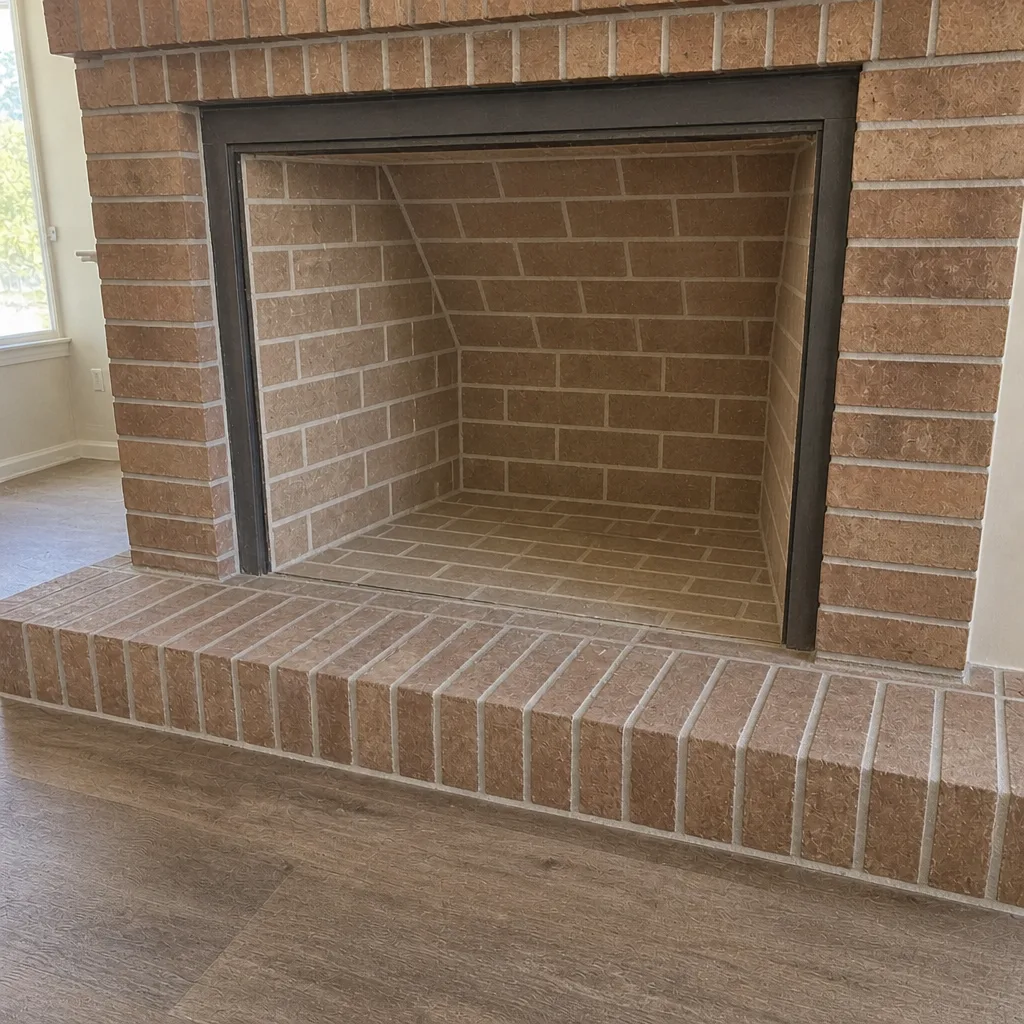
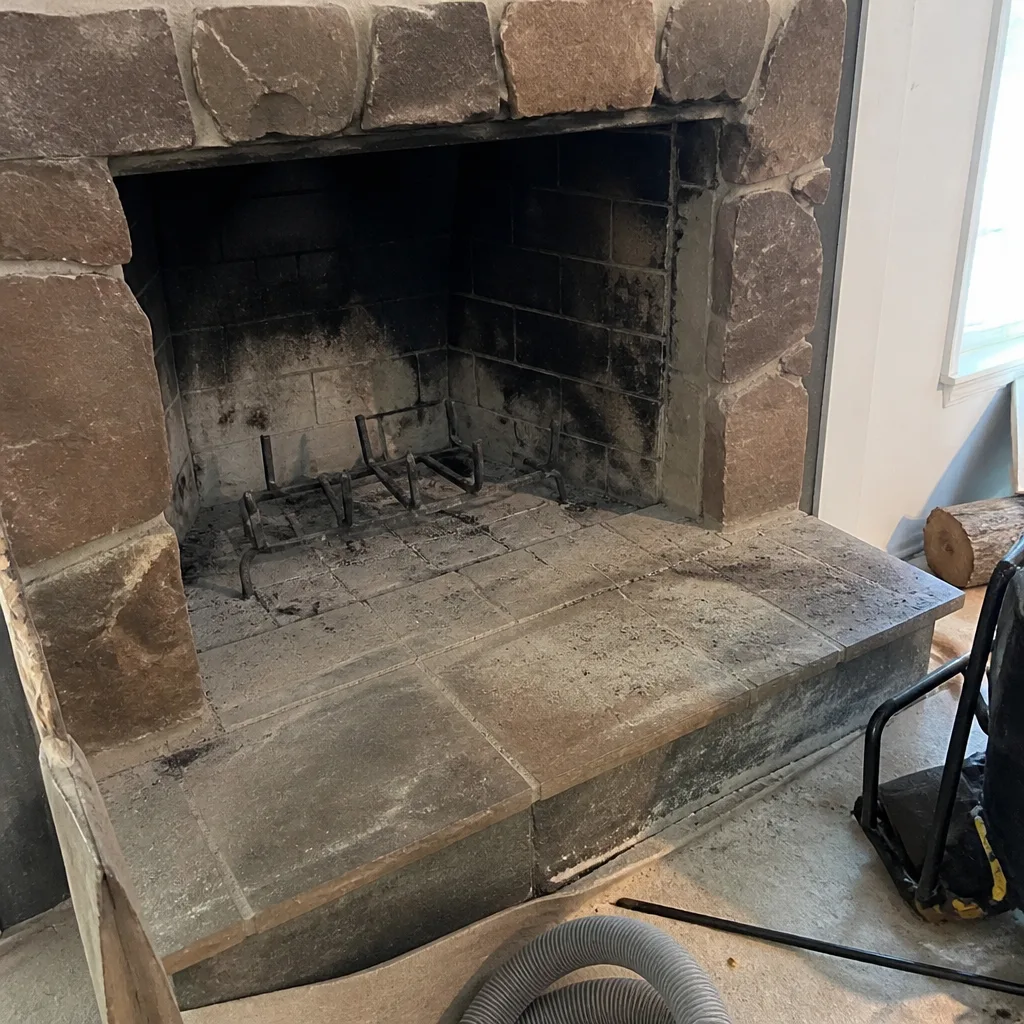
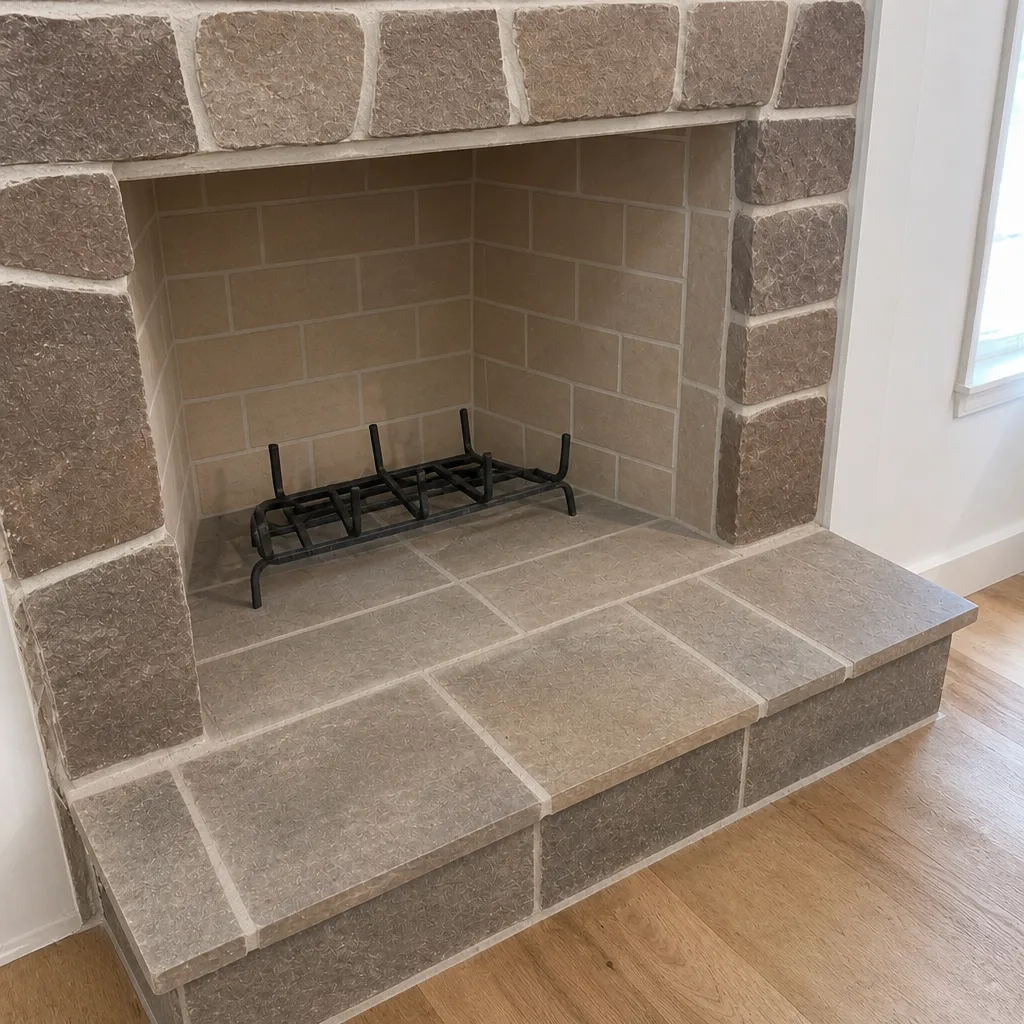
See the difference
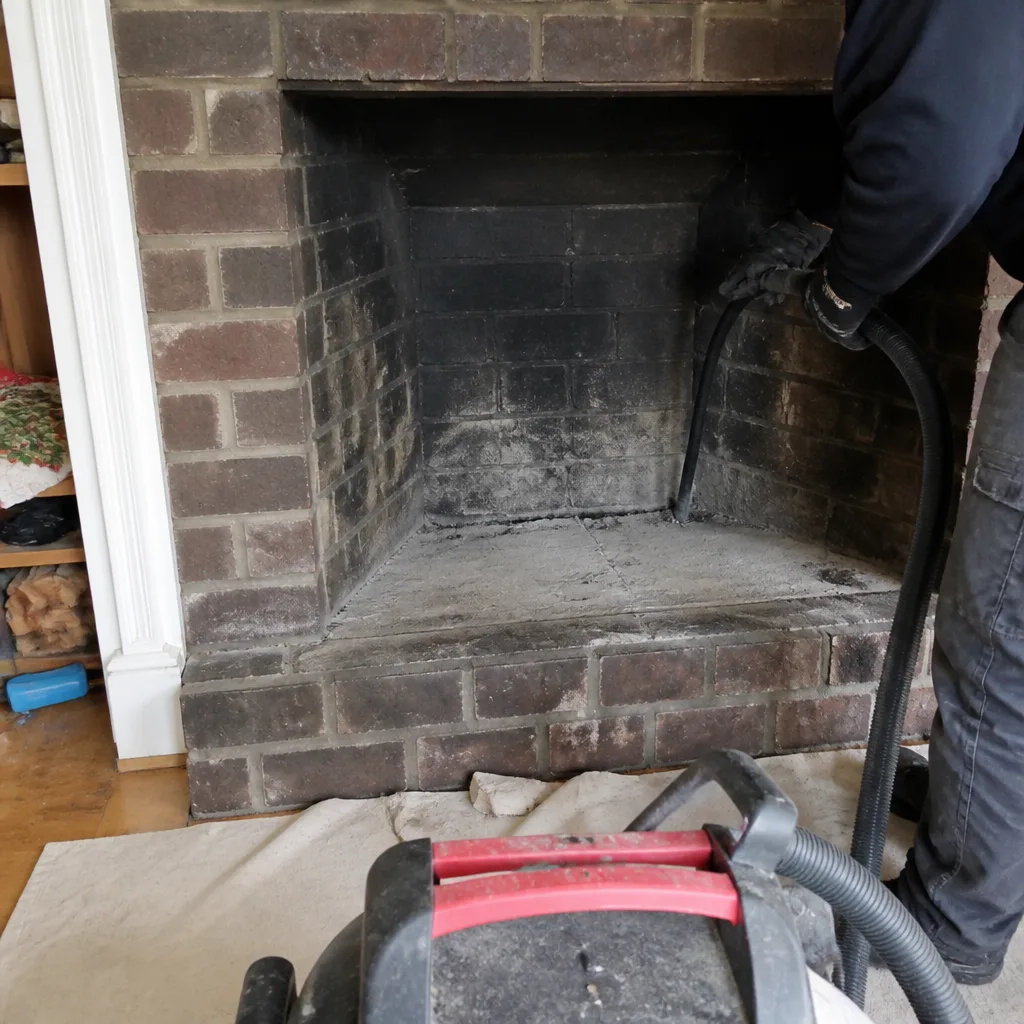 Before
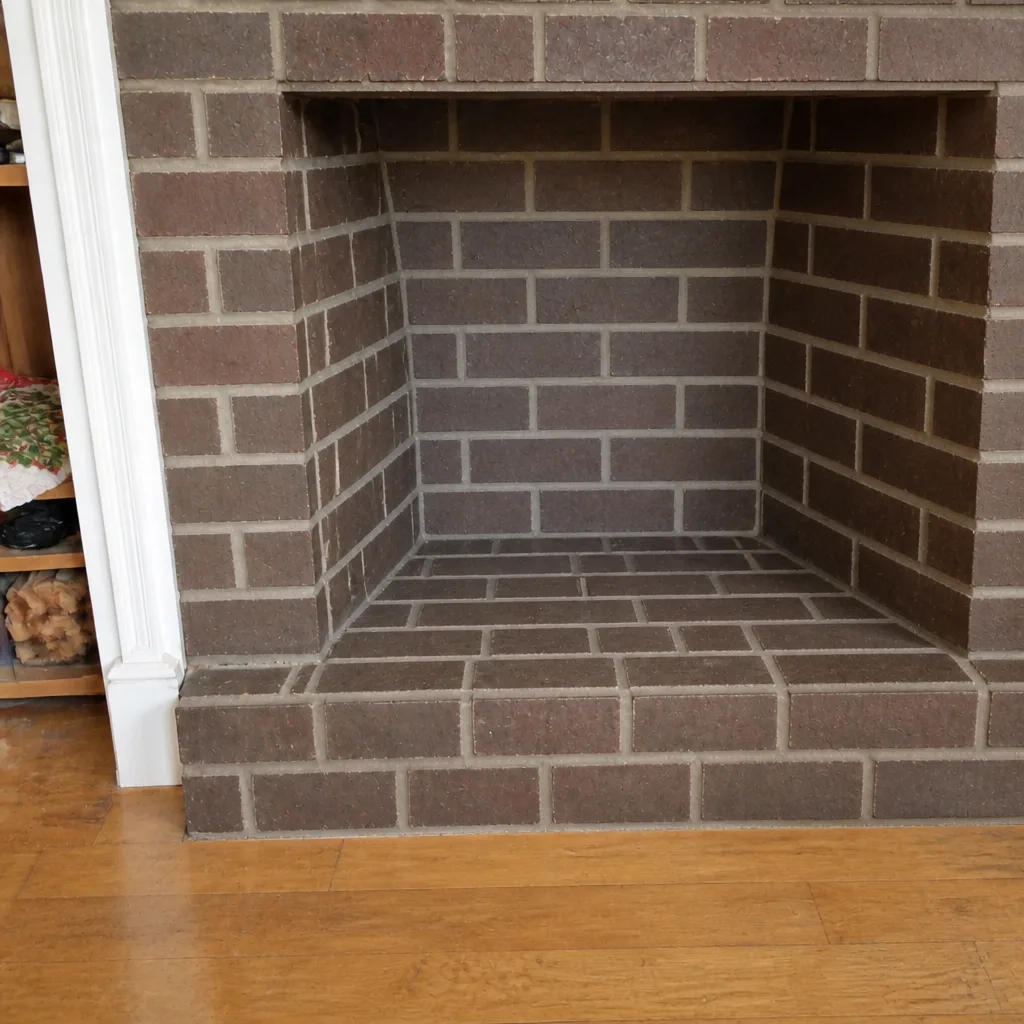 After
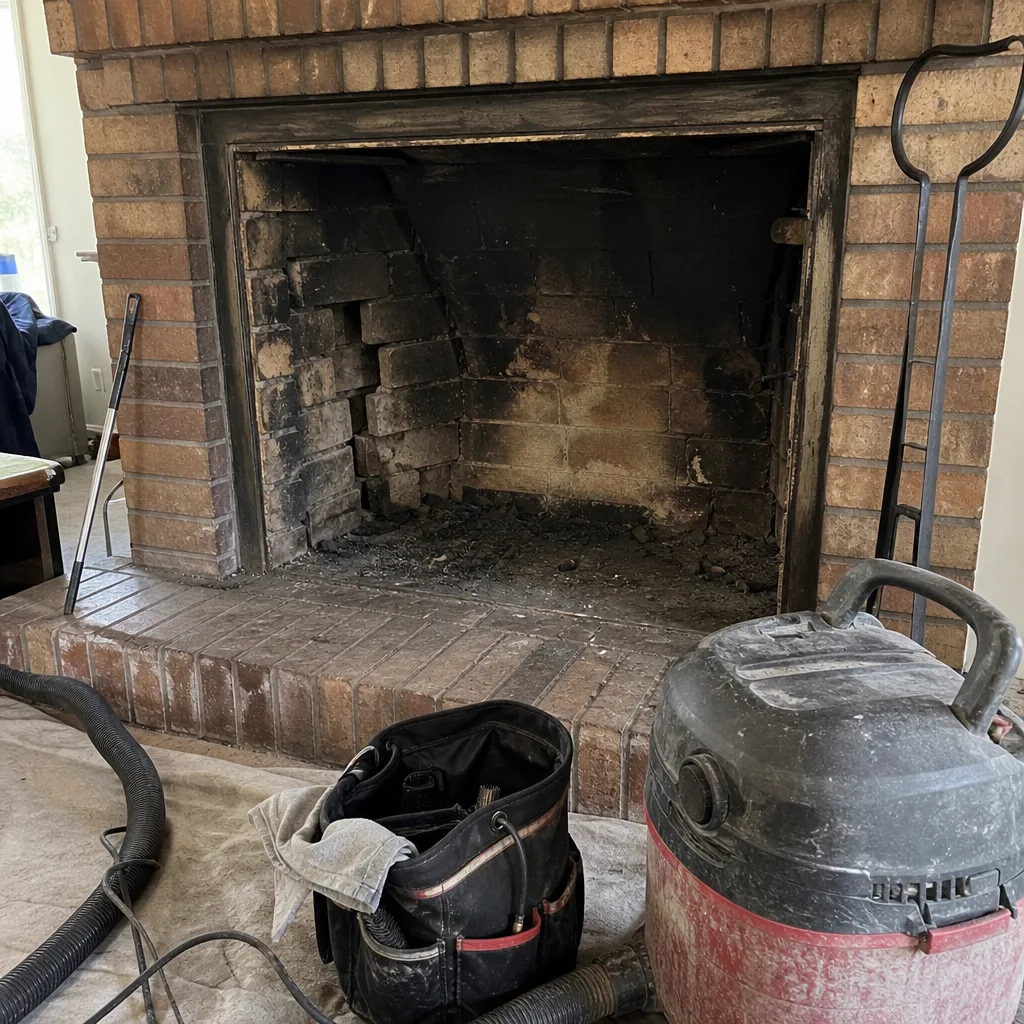 Before
 After
 Before
 After
When to Call a Professional
Call us when you see the signs in the “stop today” list above, and call us for the “schedule a sweep” signs as well. Some of the smaller warning signs can wait a few weeks; none of them benefit from waiting a year. If you’ve inherited a chimney from a previous owner and don’t know its history, or you’ve just closed on a Kaysville home and want a documented baseline before you burn, our inspection service is exactly for that. We offer inspection as a standalone service, not just as a bundled add-on, and we show you the camera footage and photo report so you can see for yourself why a repair is or isn’t needed. Some findings can safely wait a season, and we say so when that’s true. Our technicians have up to 12 years of experience across sweeps, inspections, cap and crown work, fireplace repair, and structural repair. Chimney Sweep Kaysville offers free estimates in Kaysville. Call (844) 759-1416.
Frequently Asked Questions
A standard chimney sweep in Kaysville typically falls into a modest range that depends on the flue’s condition, access, and whether the visit includes a full inspection. Every job is priced per job by the written estimate, and the estimate is free, so you know the number before you book. Call (844) 759-1416 for an exact quote. We answer 24/7. Fast dispatch from 7am to 7pm, Sunday through Friday.
The standard is once a year for homes that burn wood regularly, and more often if you burn heavily or use unseasoned wood. In Kaysville, a heavy burn season means a sweep before the first fire and an inspection on the same visit makes the most sense. Call (844) 759-1416 to book a sweep and an inspection together.
Not always. The camera decides, not a sales pitch. A cracked or damaged clay tile flue often can be restored with HeatShield ceramic resurfacing rather than a full liner replacement, and when a liner is the right answer, we install DuraFlex flexible liner systems. You’ll see the camera footage and the photo report before anything is quoted. If the existing flue is sound, we say so. Call (844) 759-1416 for an inspection.
Creosote builds up on the flue walls and becomes the fuel for a chimney fire, and an obstructed flue can cause smoke and carbon monoxide to back up into the house. Separately, water entering through a missing cap or a cracked crown keeps degrading the masonry through Kaysville’s freeze-thaw cycle. The point isn’t to scare you; it’s that both problems are far cheaper to catch early. Call (844) 759-1416 for a free estimate.
No. White efflorescence means water has been moving through the masonry, and the source is always somewhere specific: a failing crown, a missing cap, cracked mortar, or failed flashing. A camera inspection locates the source so the fix is targeted. Call (844) 759-1416 to schedule an inspection. We inspect before we recommend.
Not until the flue has been inspected. Chimney fires can leave a flue compromised in ways that aren’t visible from the firebox, and the next fire is the one most likely to cause real damage. Call us for a post-fire inspection before lighting again. We answer 24/7. Fast dispatch from 7am to 7pm, Sunday through Friday.
The Bottom Line
Most chimney warning signs show up long before a problem becomes dangerous. White efflorescence, brown or black staining, smoke behavior that has changed, popping or hissing during a fire, a rusted damper, or visible daylight through a joint all point to something specific, and knowing what each points to is what lets you make an informed decision. The signs in the stop-fire list warrant a call today. The rest earn a scheduled sweep and inspection. Kaysville’s freeze-thaw winters and heavy burn season reward homeowners who act on the first sign rather than the third. We inspect before we recommend, and we say when work can wait. Our technicians have up to 12 years of experience, and we work with DuraFlex, HeatShield, Olympia Chimney, Famco, Gelco, and Copperfield to get the repair right the first time. Call Chimney Sweep Kaysville at (844) 759-1416 for a free estimate. We answer 24/7. Fast dispatch from 7am to 7pm, Sunday through Friday. You can also start with our main Chimney Sweep Kaysville page for the full service picture.
Written by the team at Chimney Sweep Kaysville.